Garis besar topik

    • Goal: 14 LIFE BELOW WATER

      Goal 14: Conserve and sustainably use the oceans, seas and marine resources for sustainable development

      14.1 Prevent marine pollution of all kinds

      14.2 Manage and protect marine and coastal ecosystems to avoid significant adverse impacts, and take action for their restoration

      14.3 Minimize the impacts of ocean acidification

      14.4 Effectively regulate harvesting in order to restore fish stocks

      14.7 Sustainable use of marine resources in least developed countries 

      14.a Increase scientific knowledge in order to enhance the contribution of marine biodiversity to the development of developing countries
      Excerpt from "Transforming our world: the 2030 Agenda for Sustainable Development"

    •  The United Nations has designated the decade starting in 2021 as the "United Nations Decade of Ocean Science," and has stated the importance of focusing on ocean science in order to achieve the SDGs. LASBOS introduces education and research in Hokkaido University on marine science, marine ecosystems, ocean acidification, ocean microplastics, biodiversity, and regulation of fishery resources. We hope that many people will learn about protecting the richness of the ocean.

    • Below is a list of the materials related to SDGs (Goal 14: LIFE BELOW WATER) on LASBOS.

    • Hokkaido University course introduction


       In these courses, you will learn about the introductions of marine science, biodiversity, sustainable fisheries, stable food security, healthy functions, and others that will be the foundation for achieving SDGs. The content includes a wide range of academic fields, and we would like you to think about how each field is related to SDGs. Then, study the academic fields that you are interested in.


    • Hokkaido University research introduction
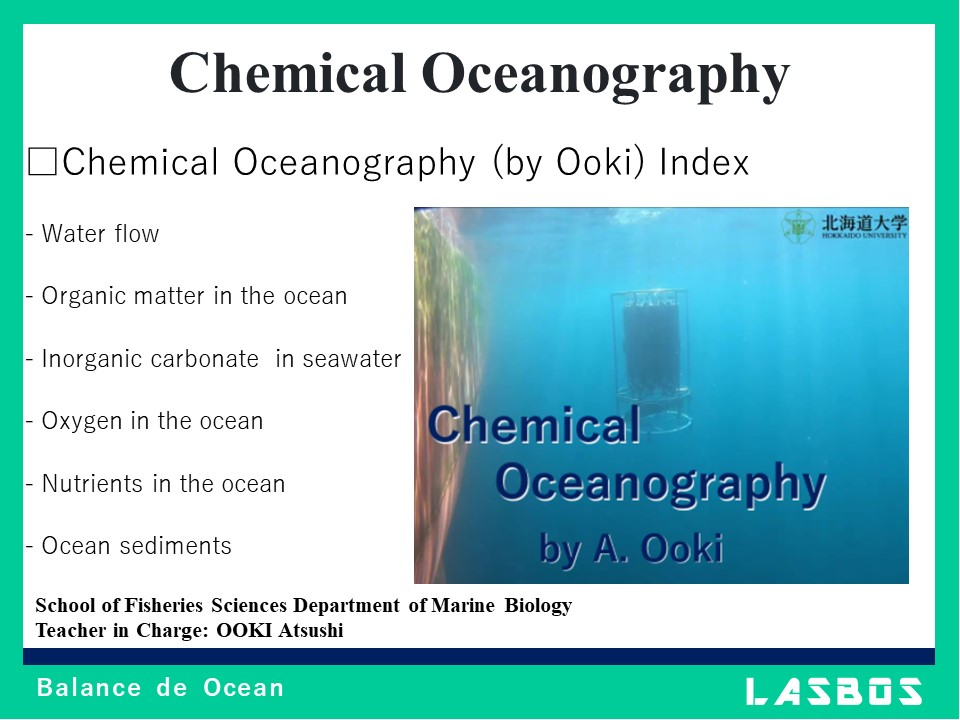
    • Chemical Oceanography
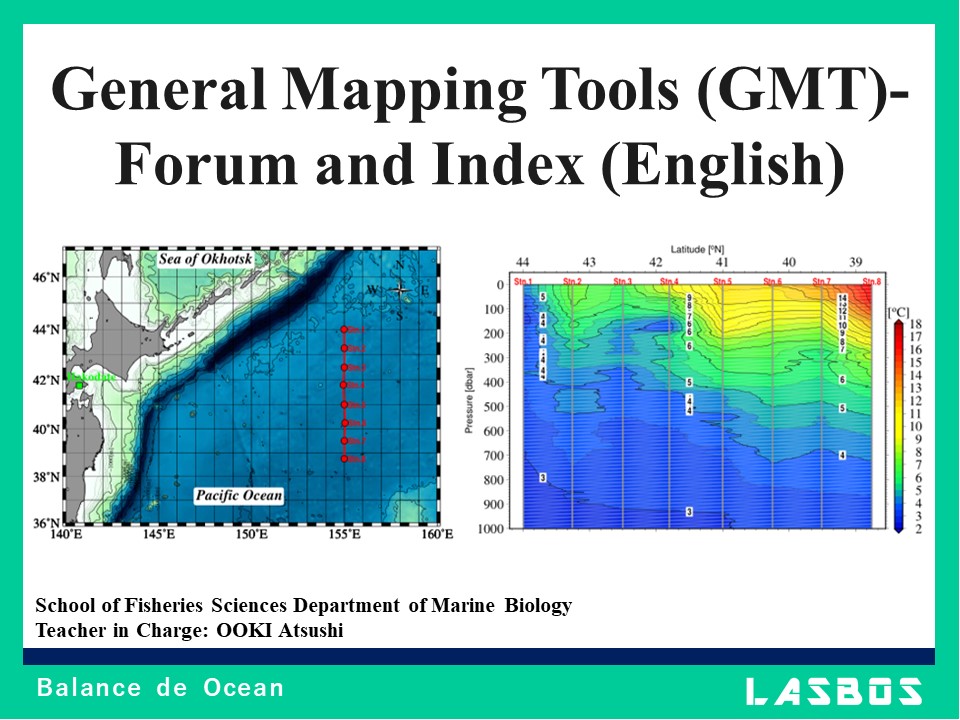
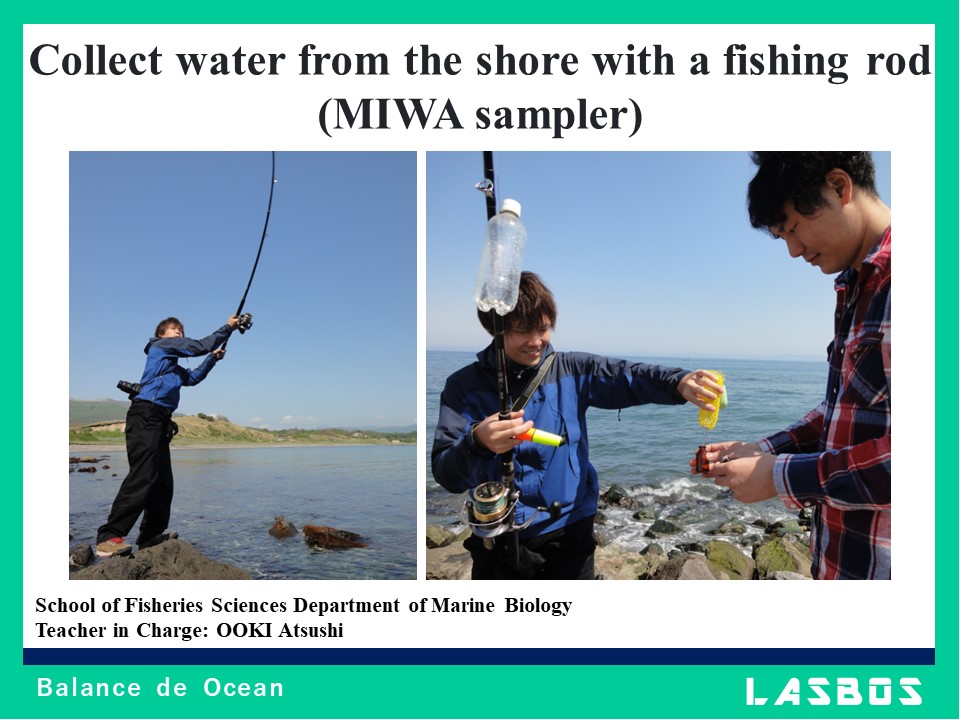
General Mapping Tools (GMT)- Forum and Index (English) Collect water from the shore with a fishing rod (MIWA sampler)
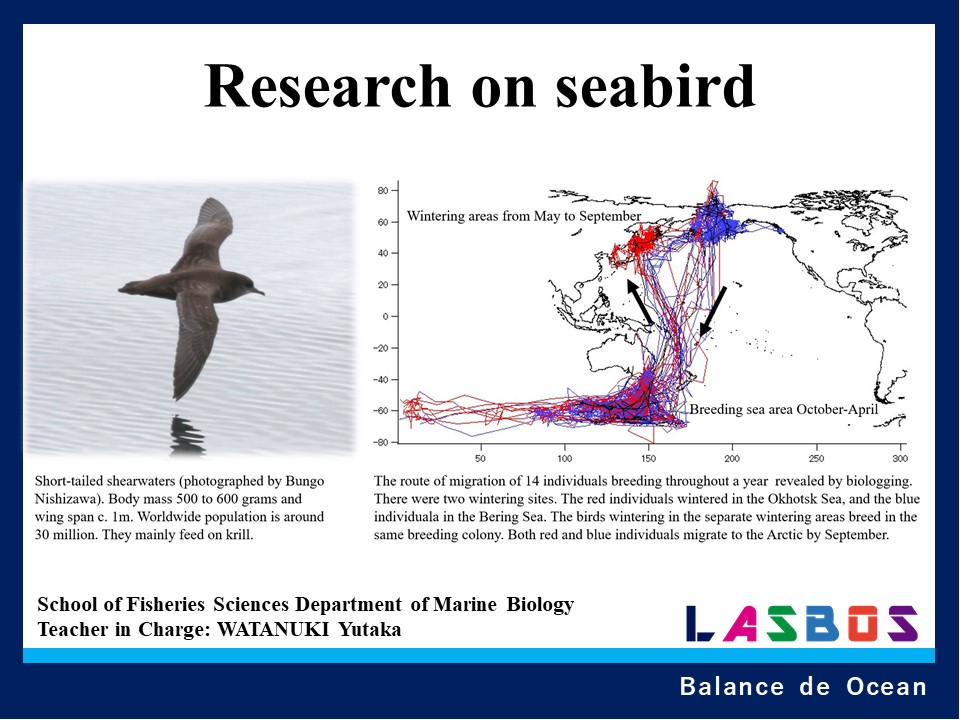
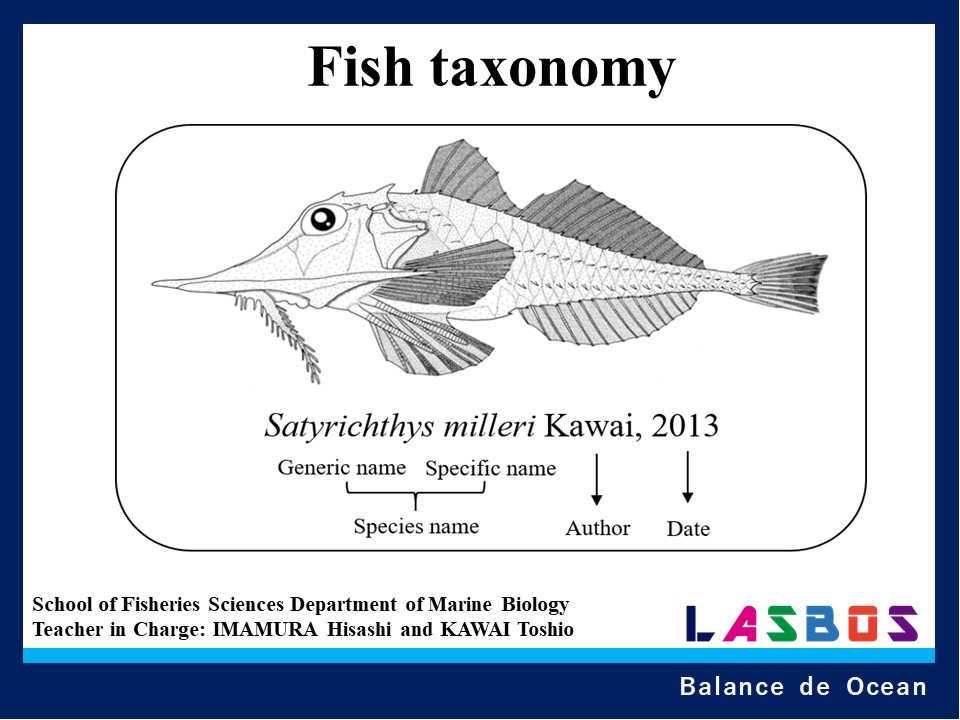
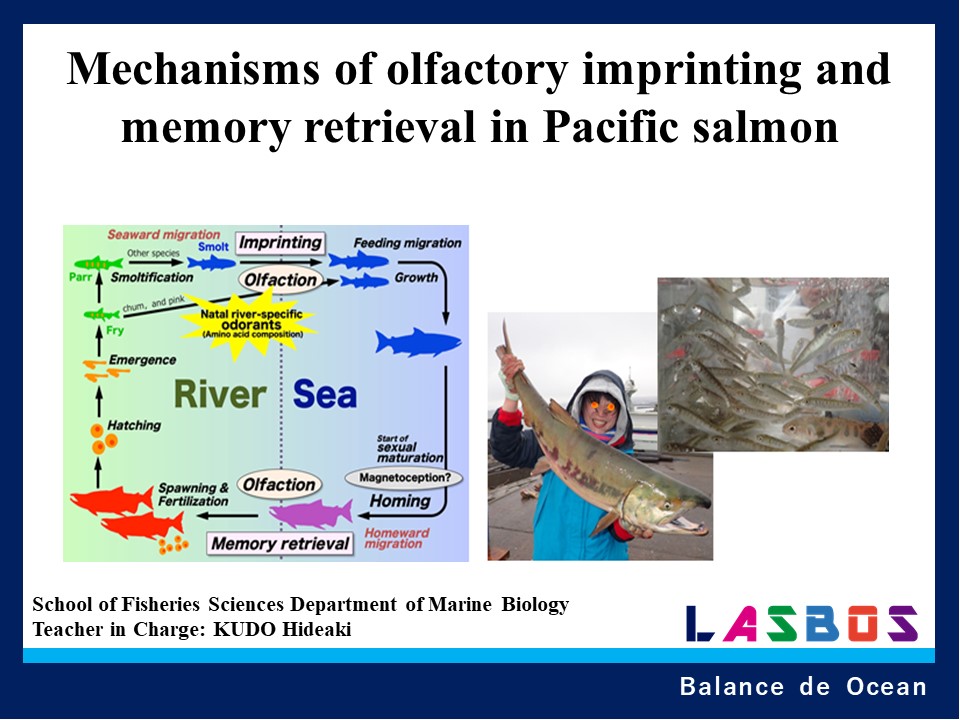
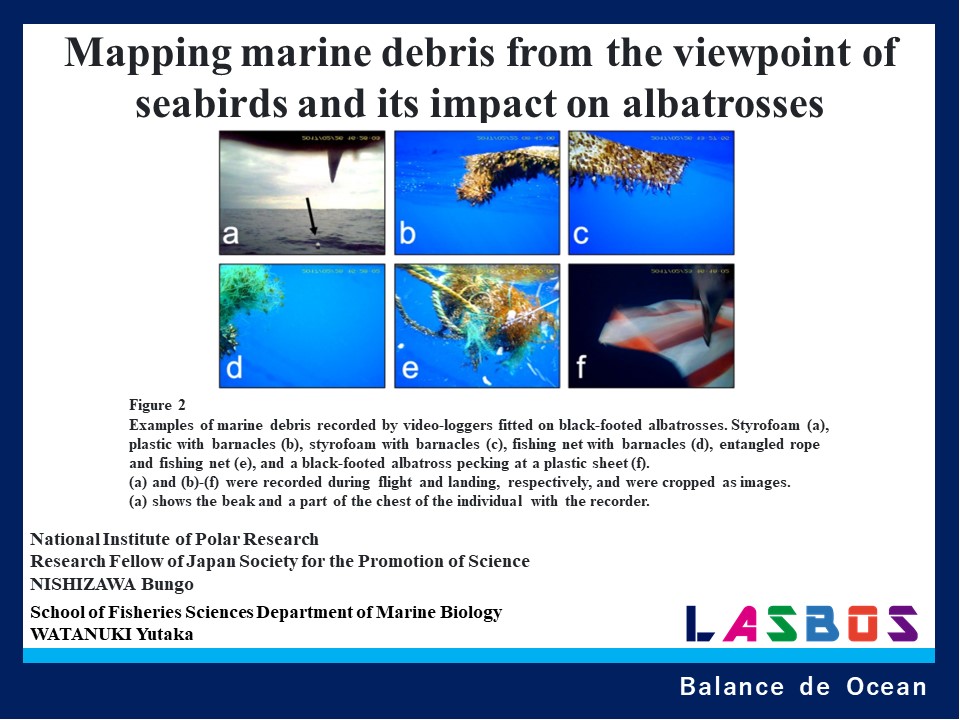
    • Research on seabird Fish taxonomyMechanisms of olfactory imprinting and memory retrieval in Pacific salmon
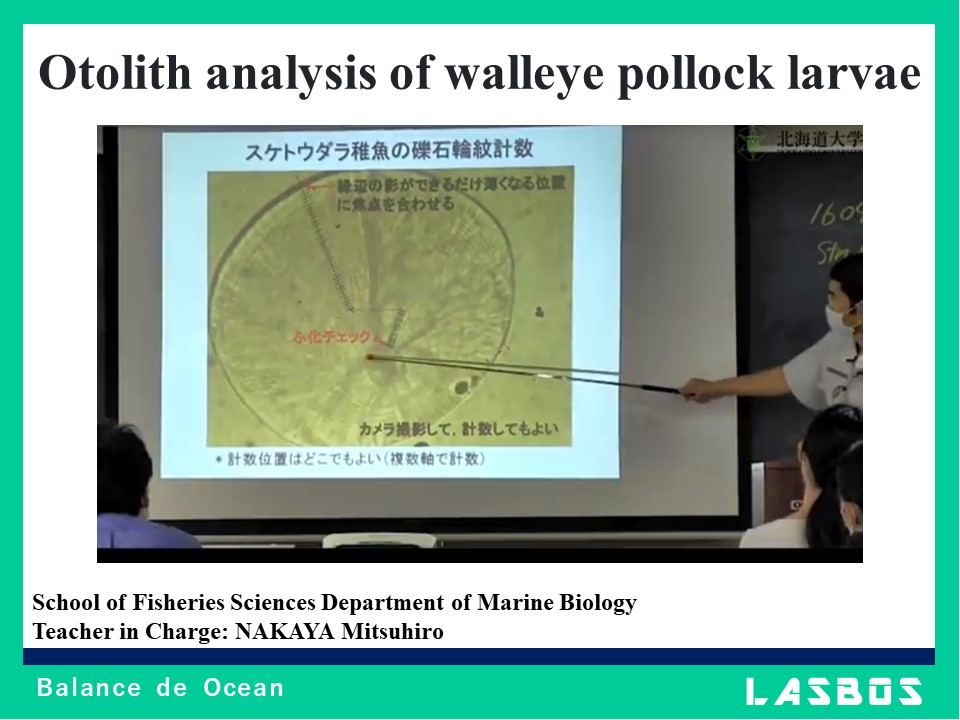
    • Otolith analysis of walleye pollock larvae
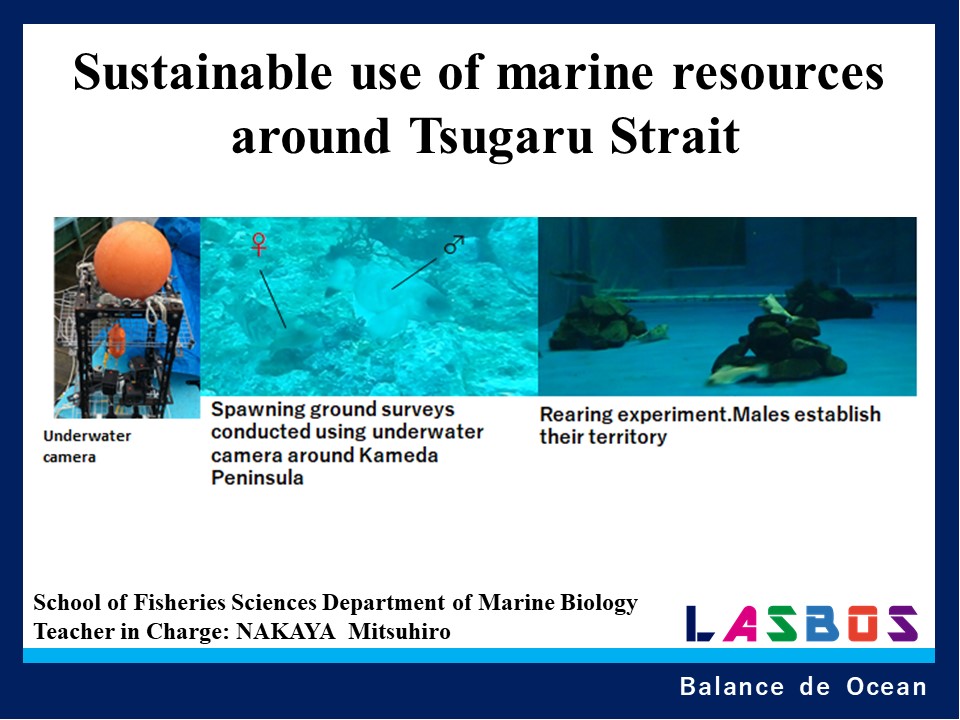
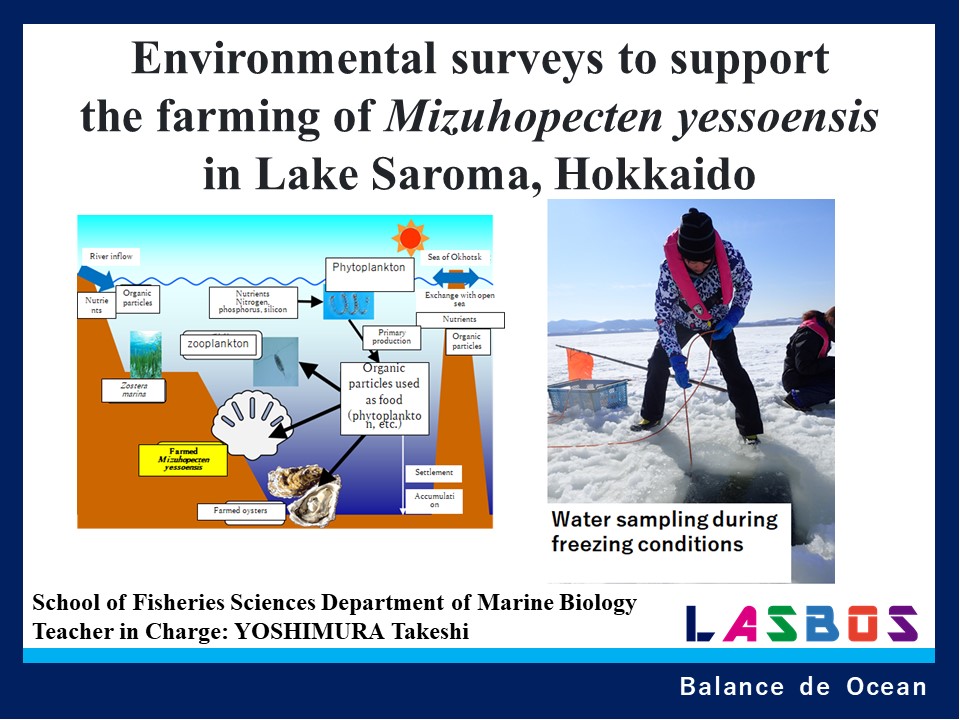
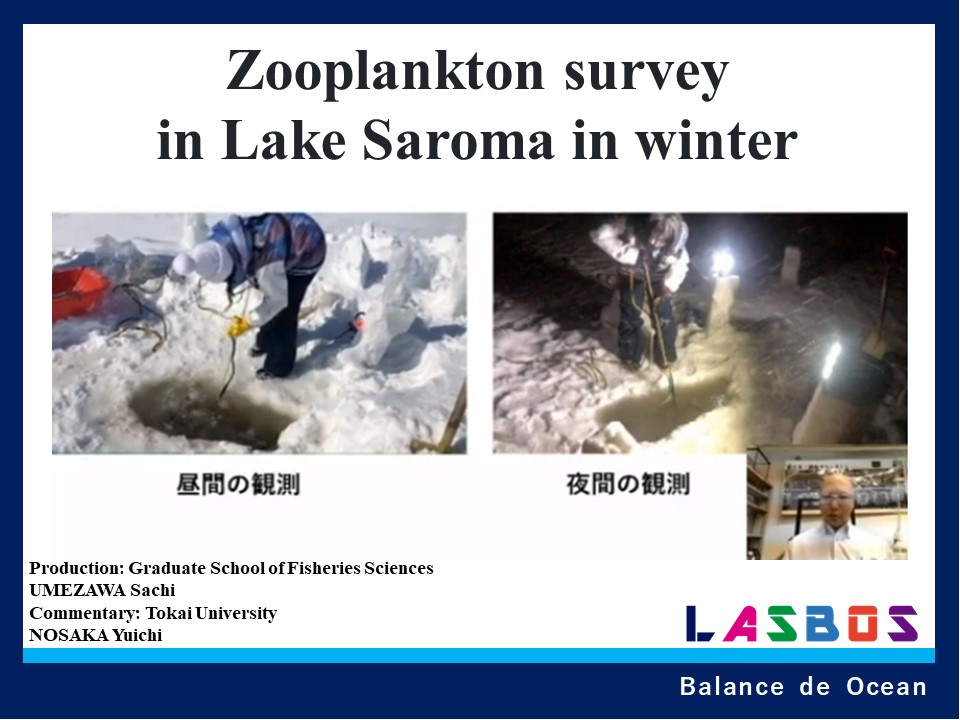
  Sustainable use of marine resources around Tsugaru Strait Environmental surveys to support the farming of Mizuhopecten yessoensis in Lake Saroma, Hokkaido
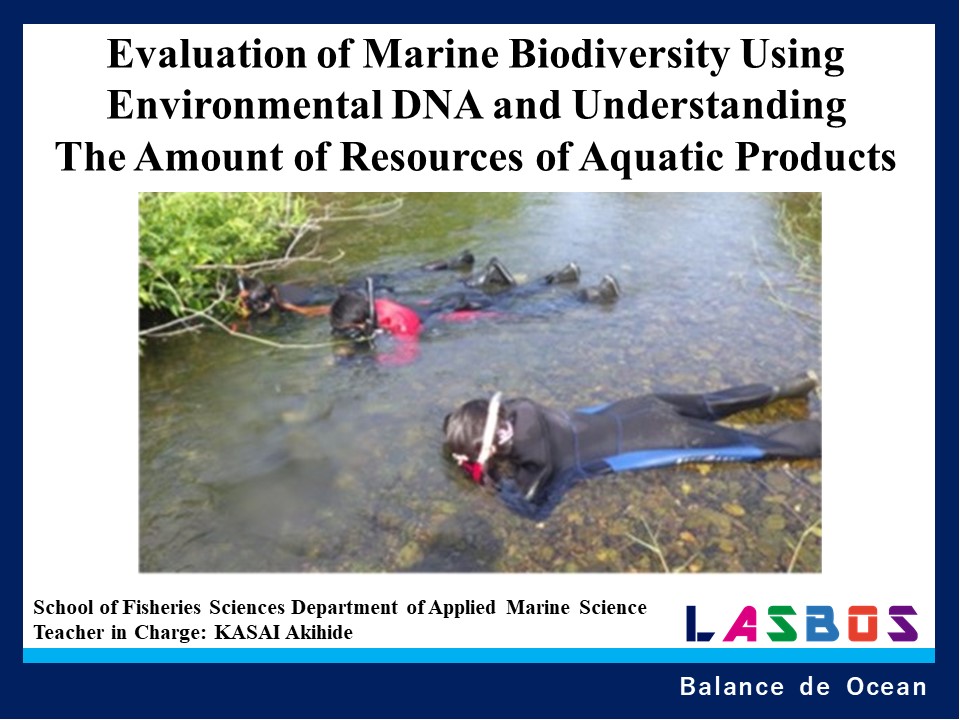
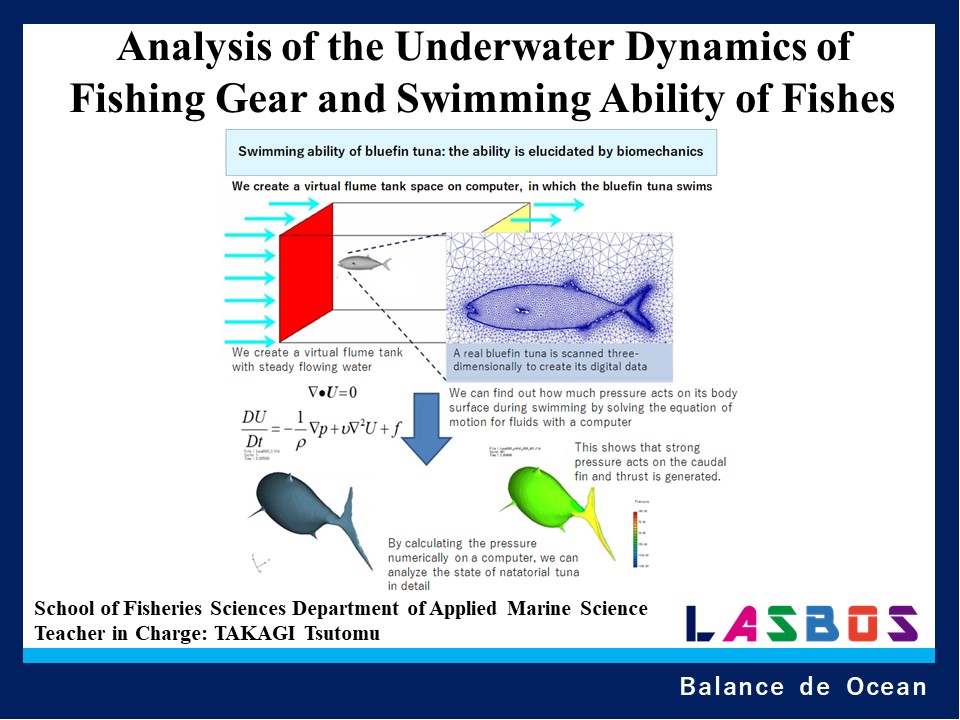
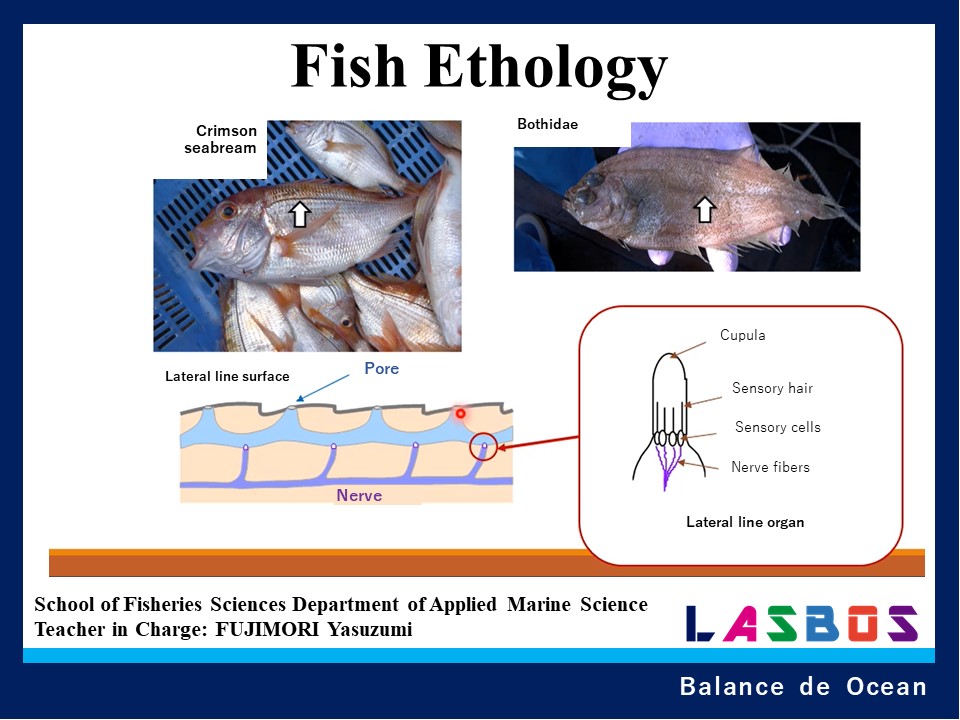
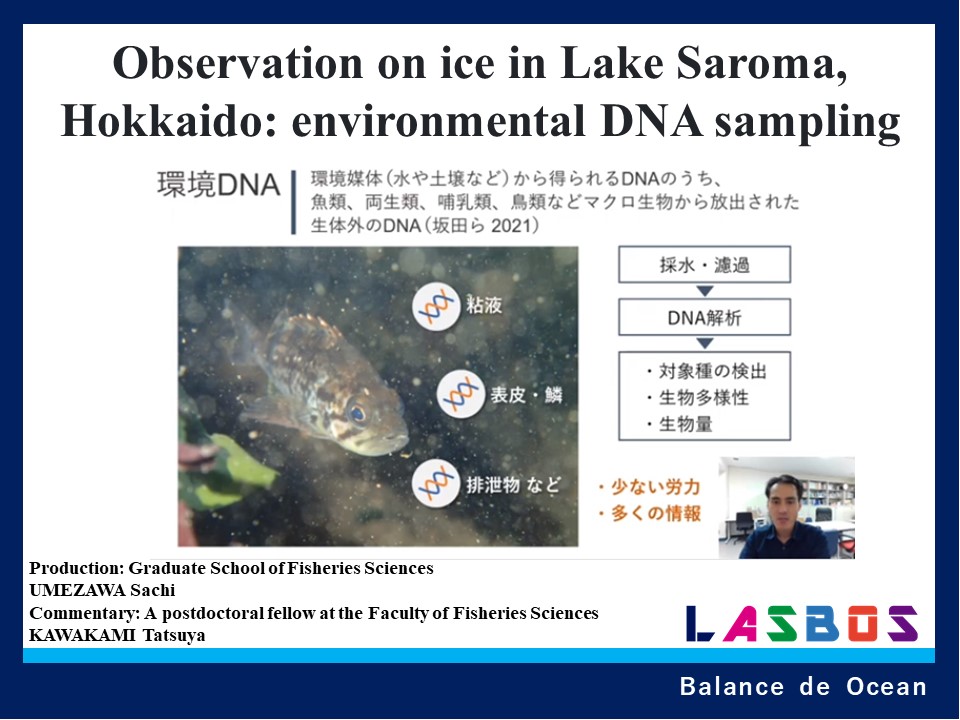
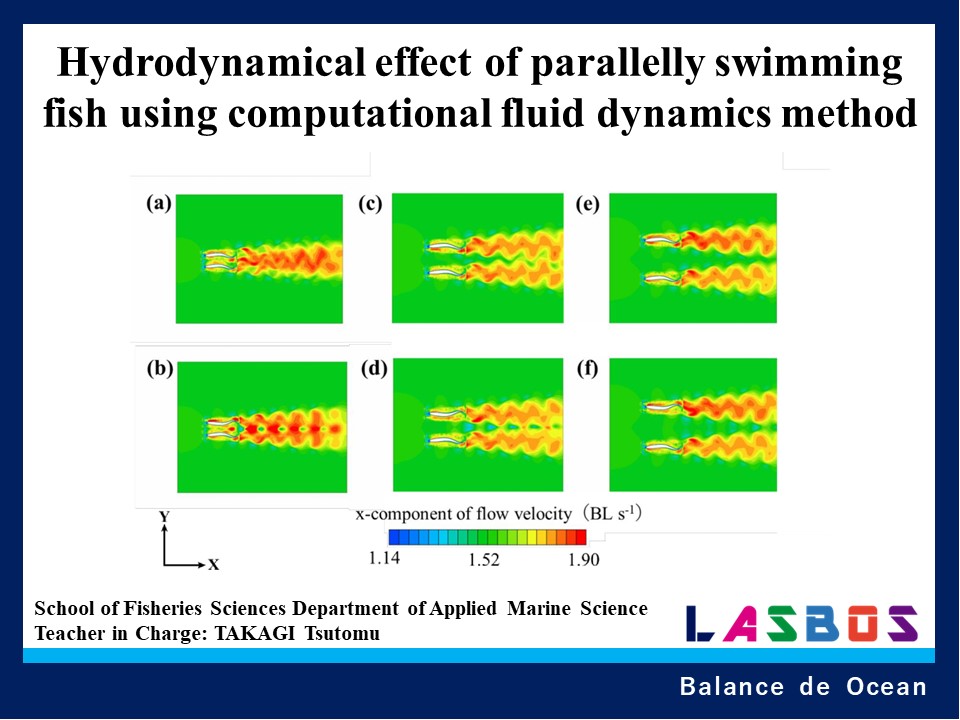
    • Evaluation of Marine Biodiversity Using Environmental DNA and Understanding the Amount of Resources of Aquatic Products Analysis of the Underwater Dynamics of Fishing Gear and Swimming Ability of FishesFish Ethology
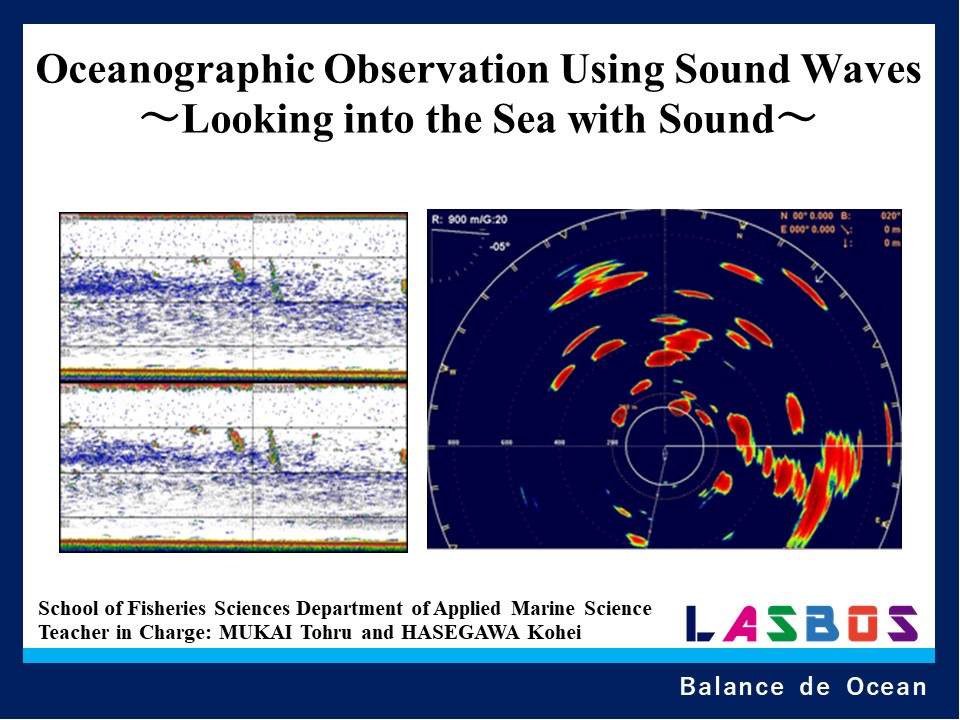
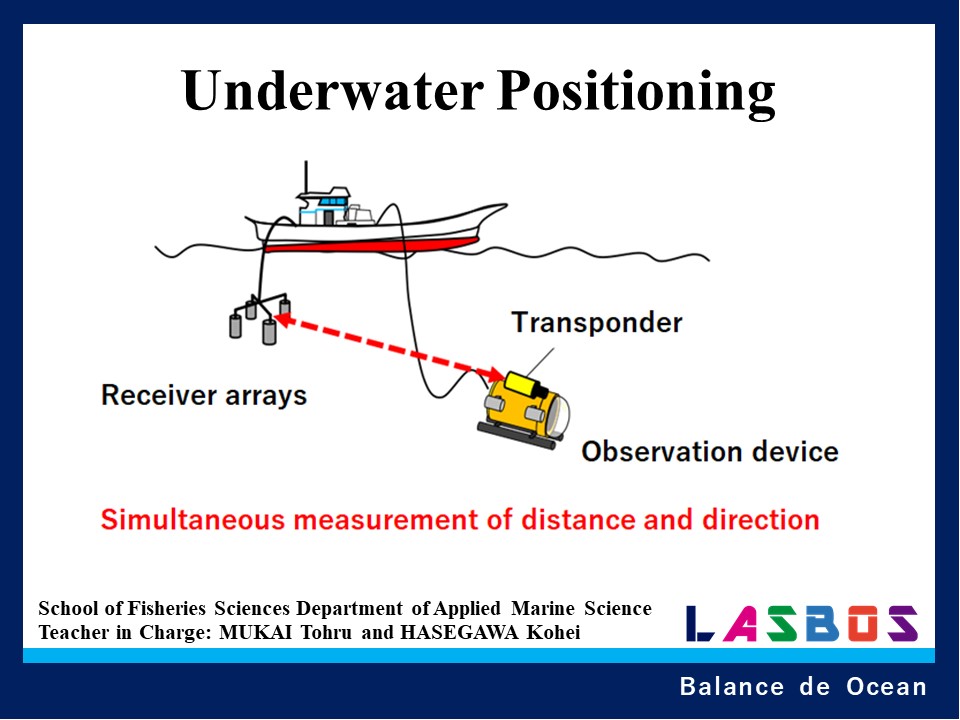
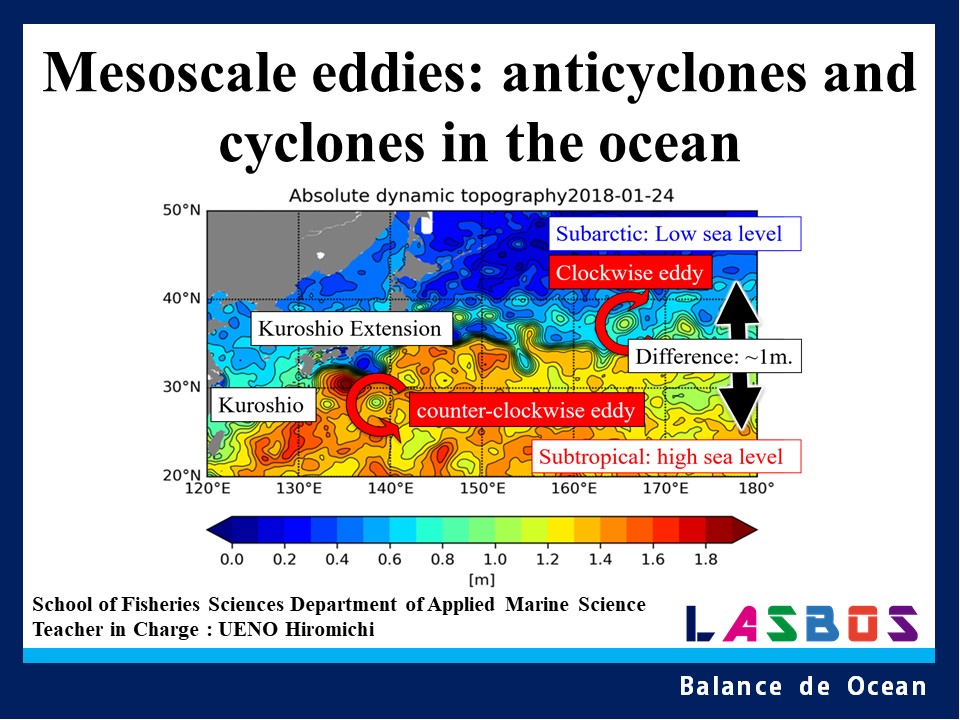
    • Oceanographic Observation Using Sound Waves ~Looking into the Sea with Sound~ Underwater Positioningmesoscale eddies: anticyclones and cyclones in the ocean
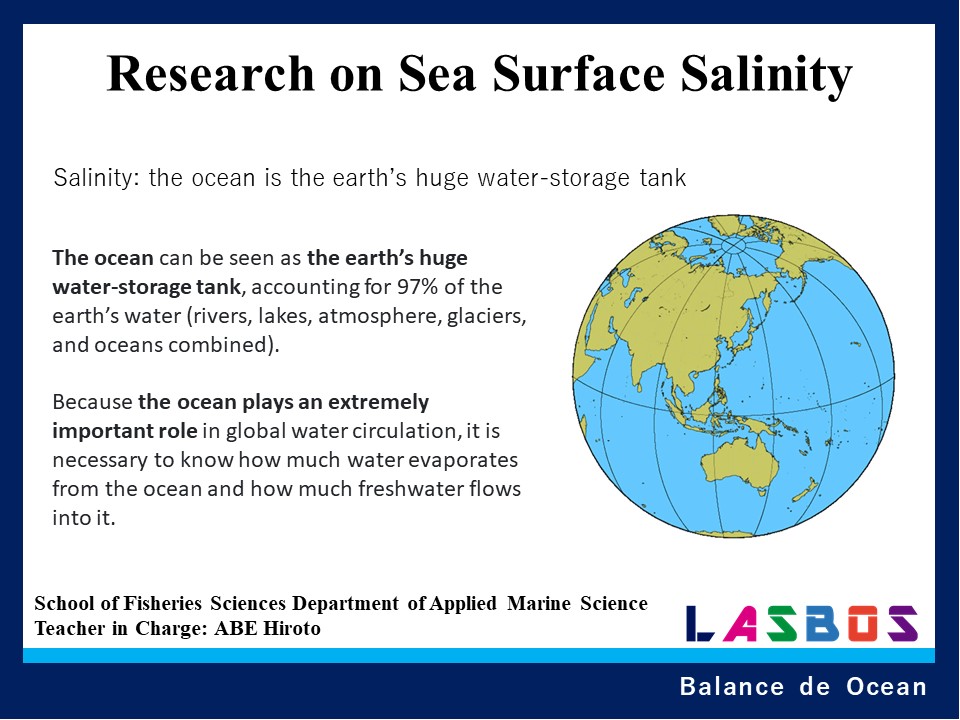
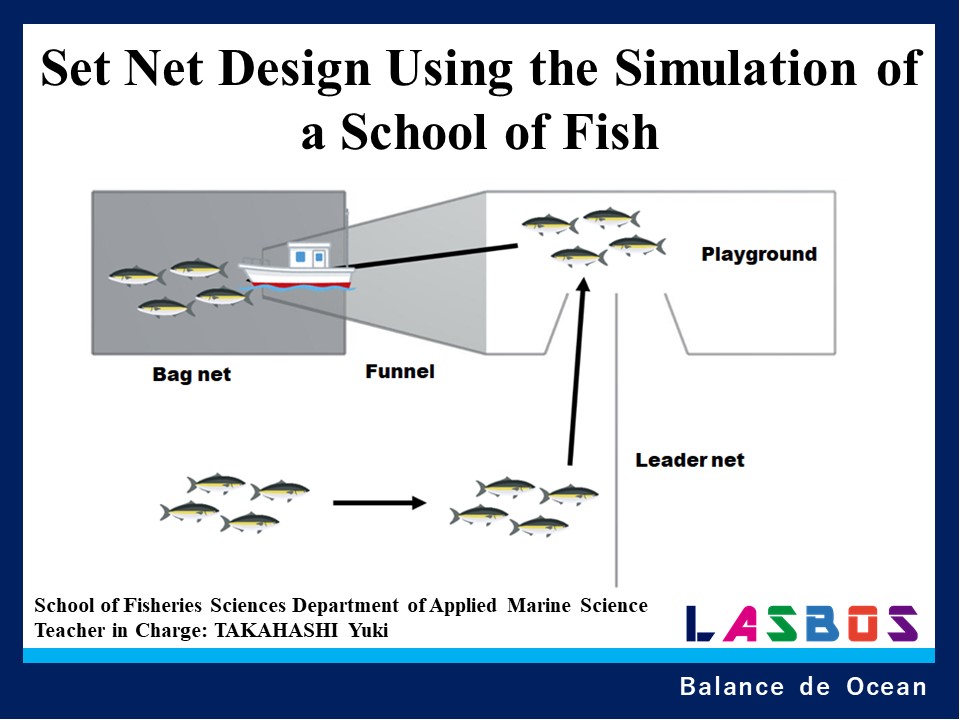
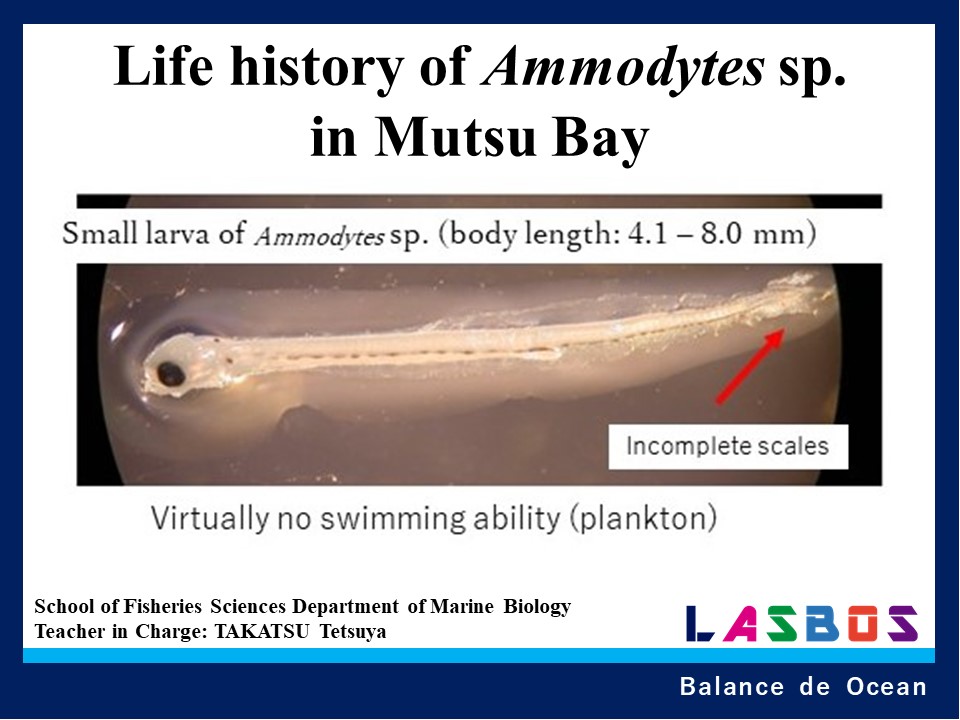
    • Research on Sea Surface Salinity Set Net Design Using the Simulation of a School of FishLife history of Ammodytes sp. in Mutsu Bay
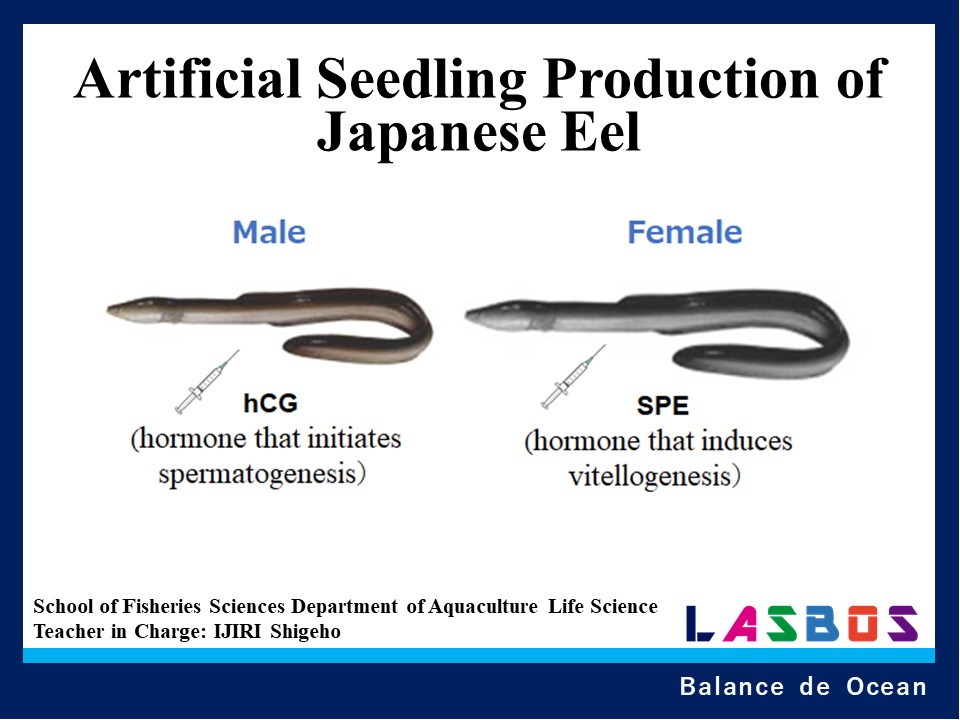
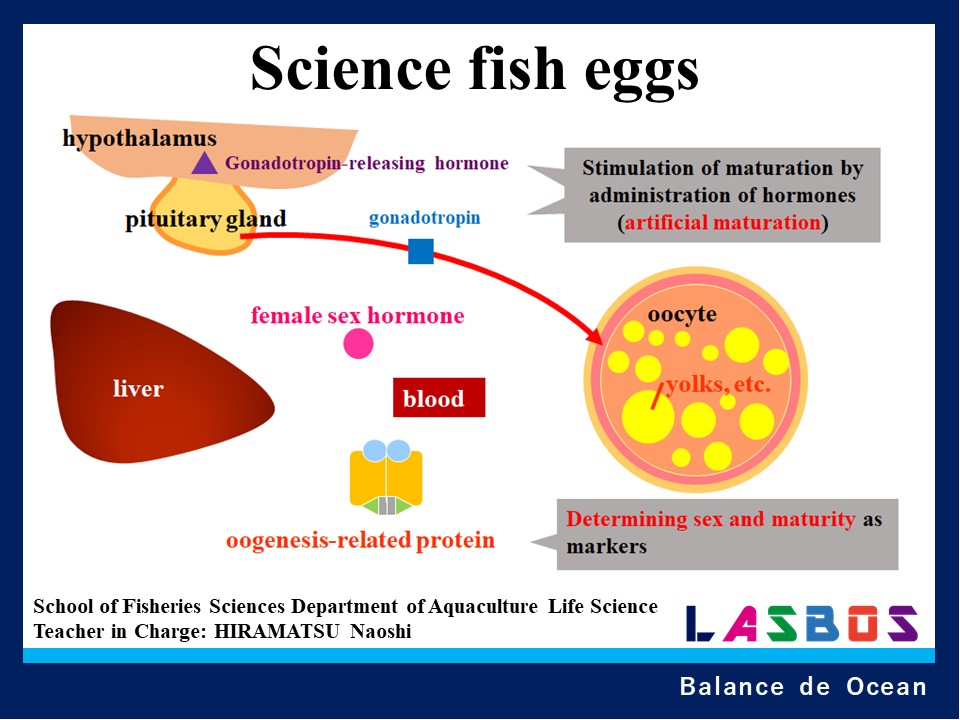
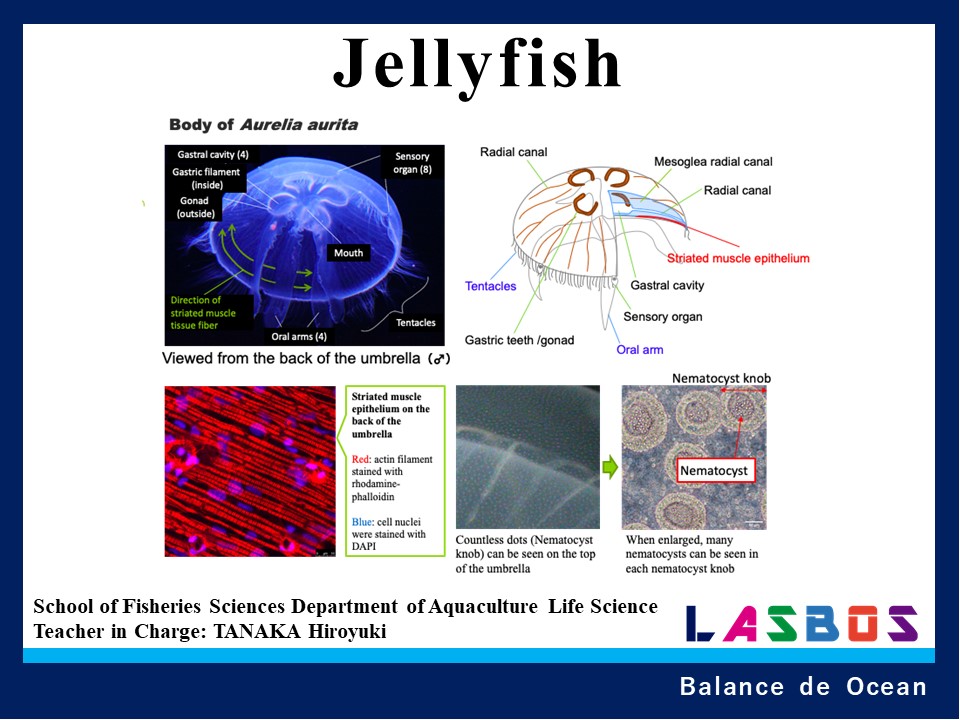
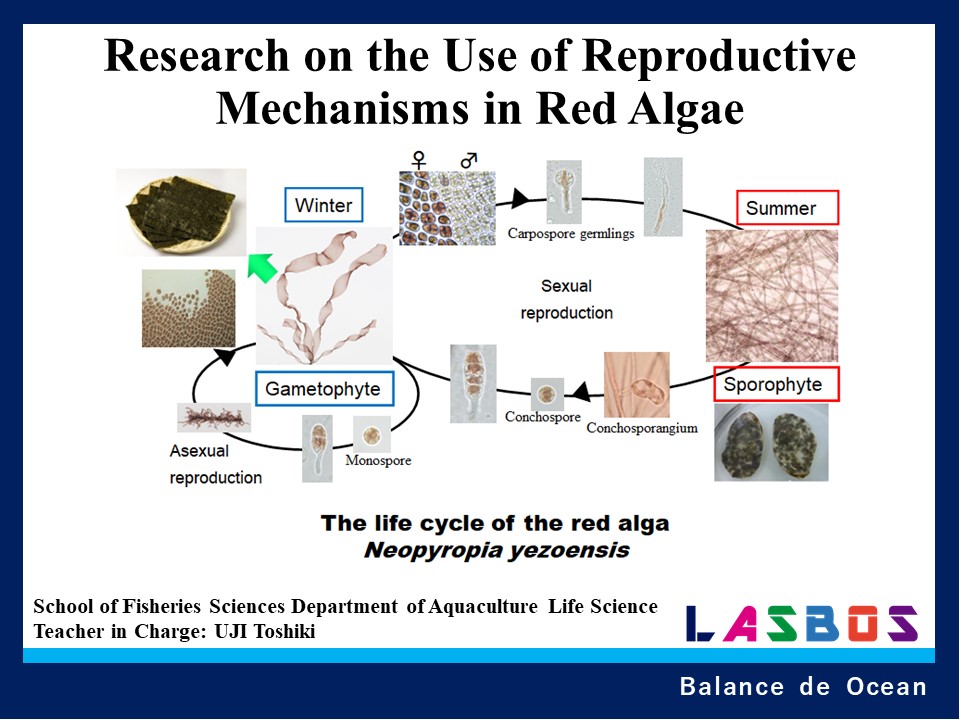
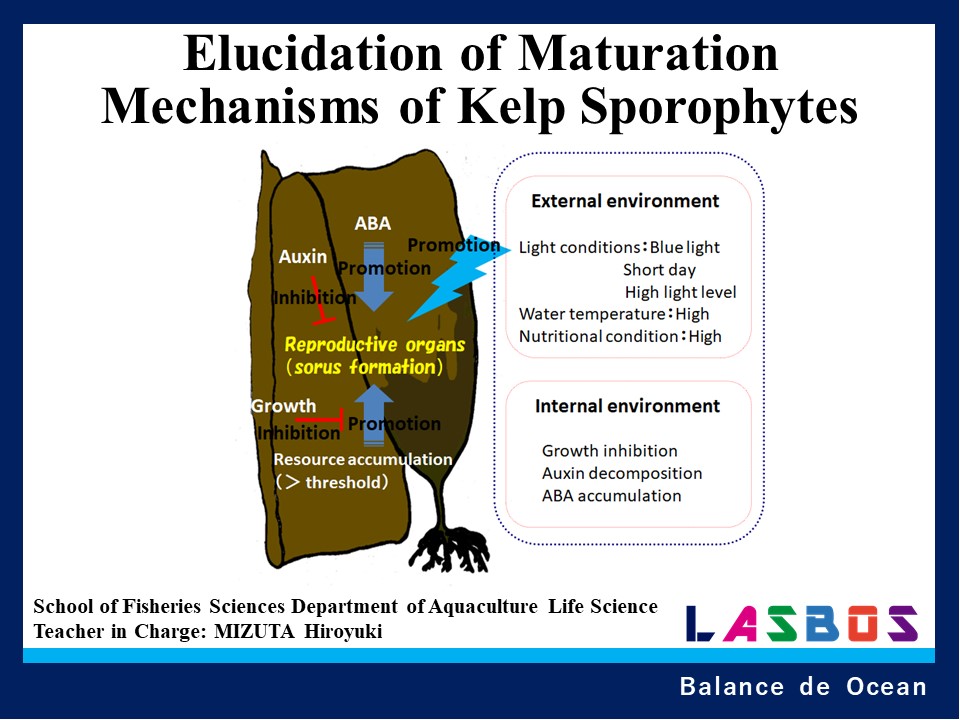
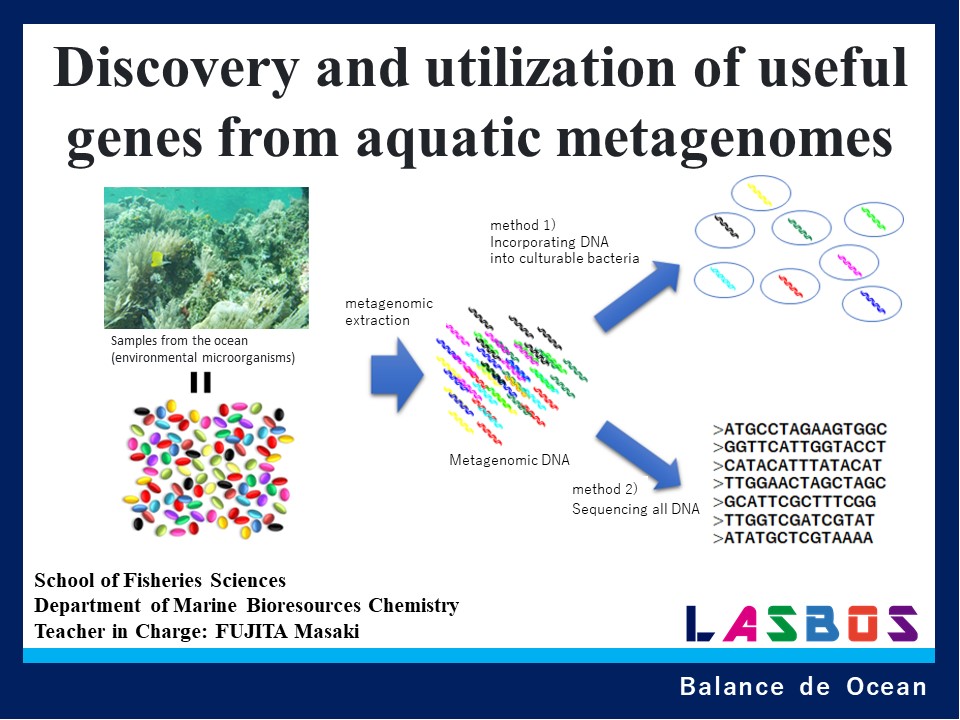
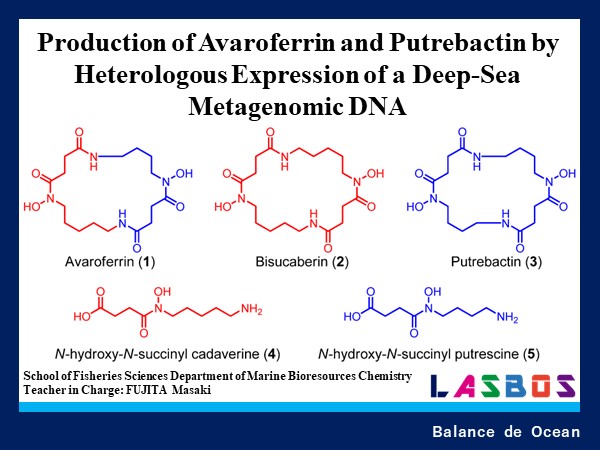
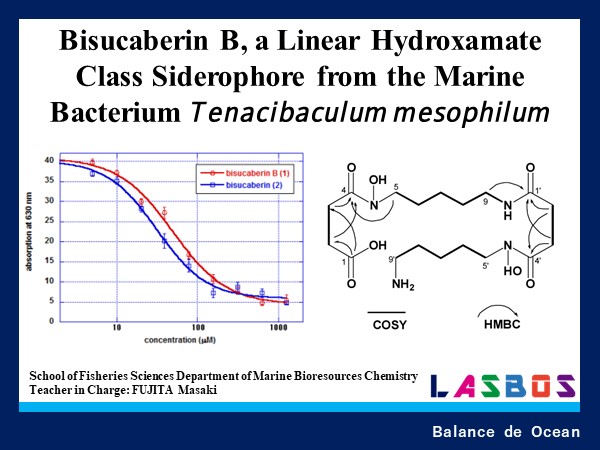
    • Research on the Use of Reproductive Mechanisms in Red Algae Elucidation of Maturation Mechanisms of Kelp Sporophytes Discovery and utilization of useful genes from aquatic metagenomes
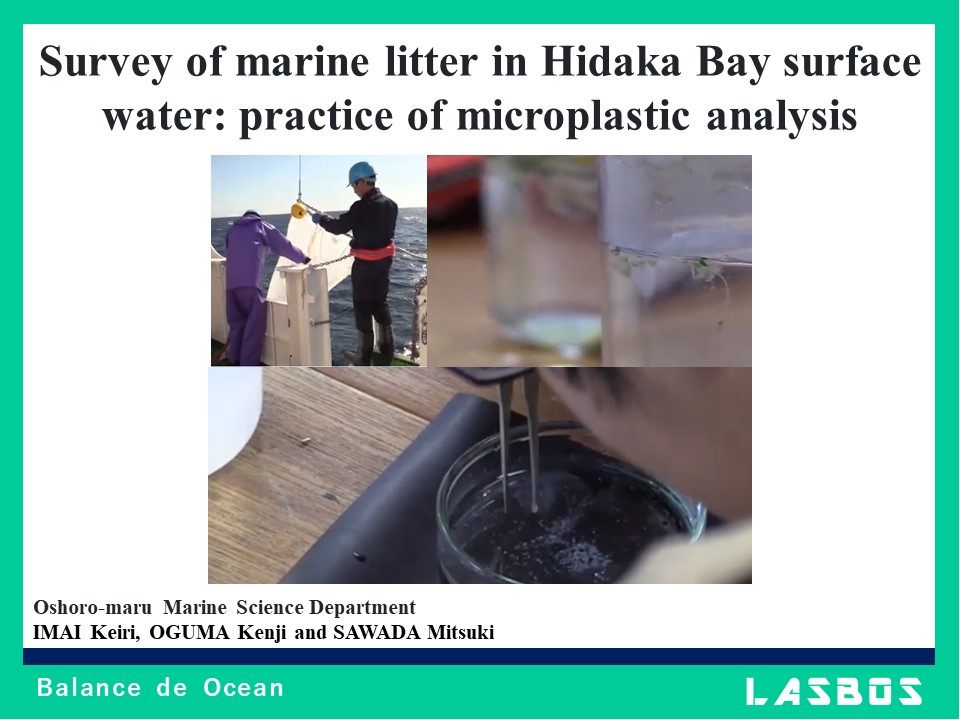
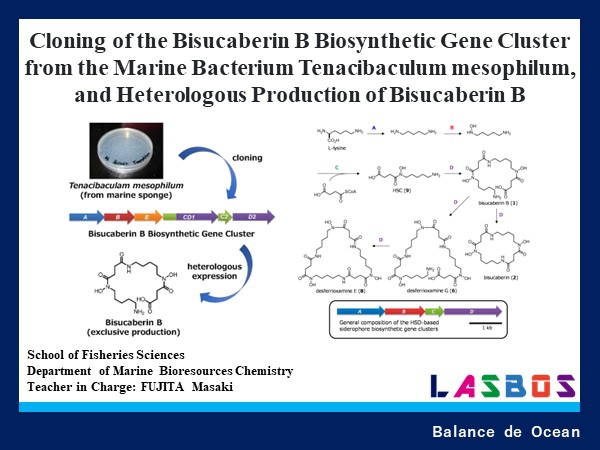
    • Survey of marine litter in Hidaka Bay surface water: practice of microplastic analysis
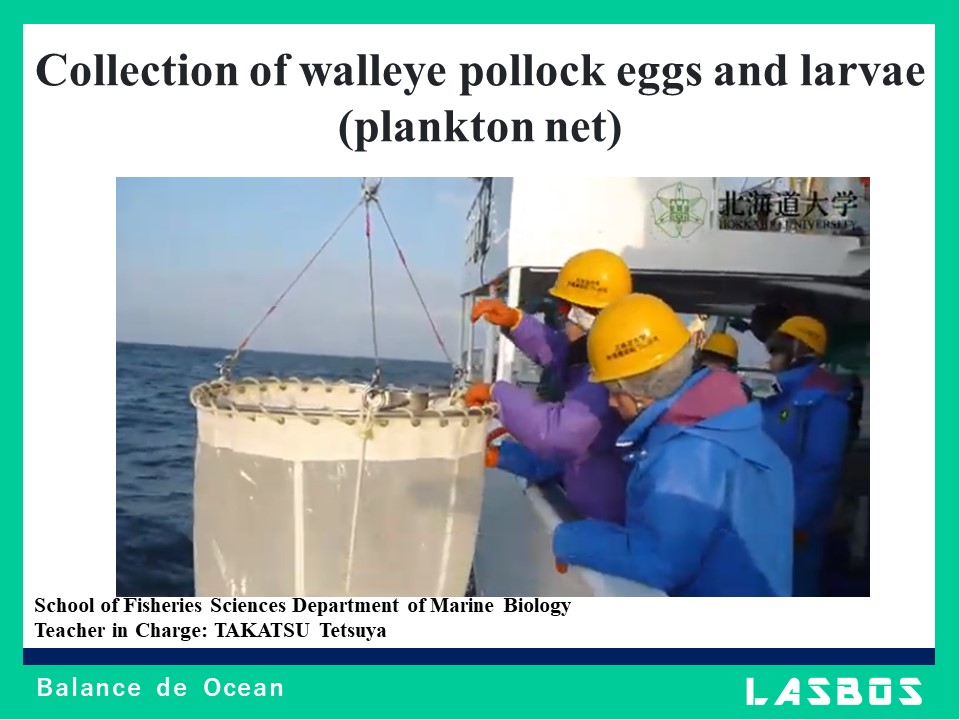
Collection of walleye pollock eggs and larvae (plankton net)
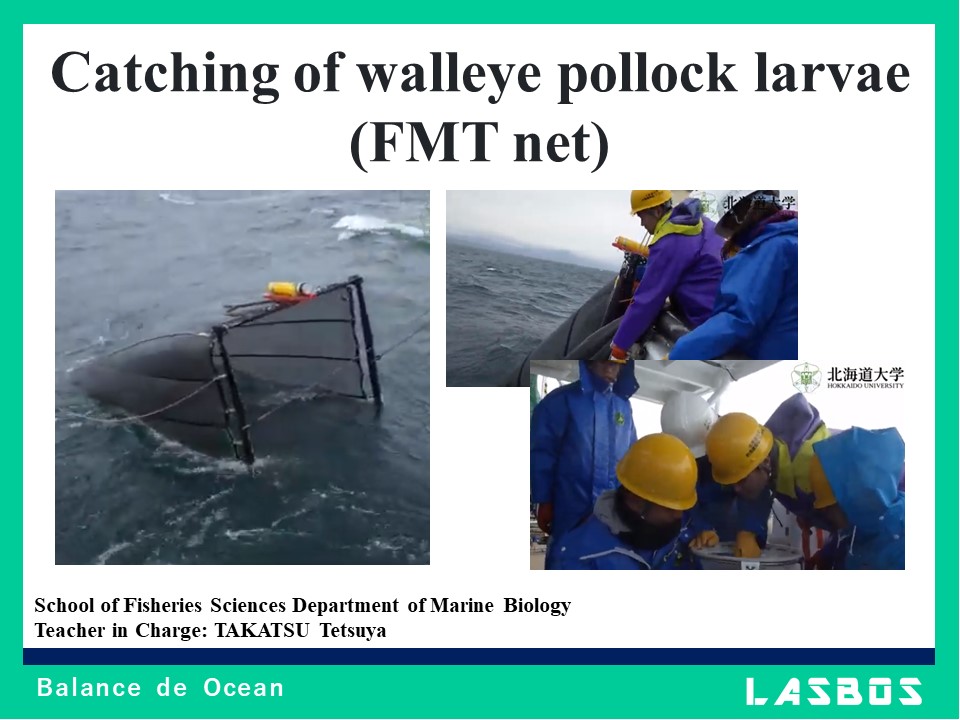
Catching of walleye pollock larvae (FMT net)
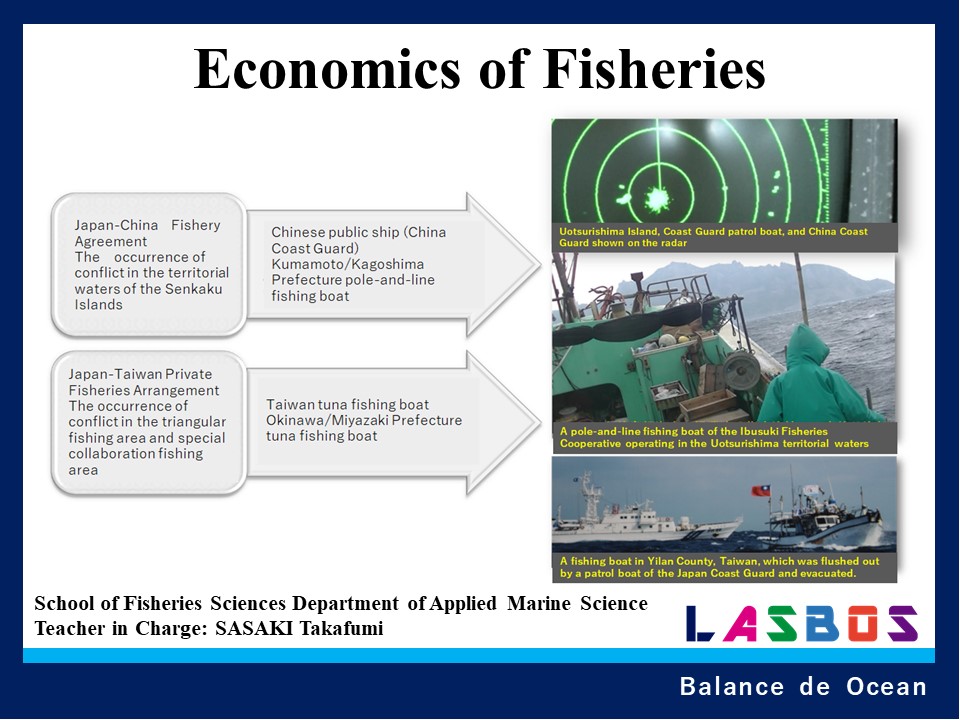
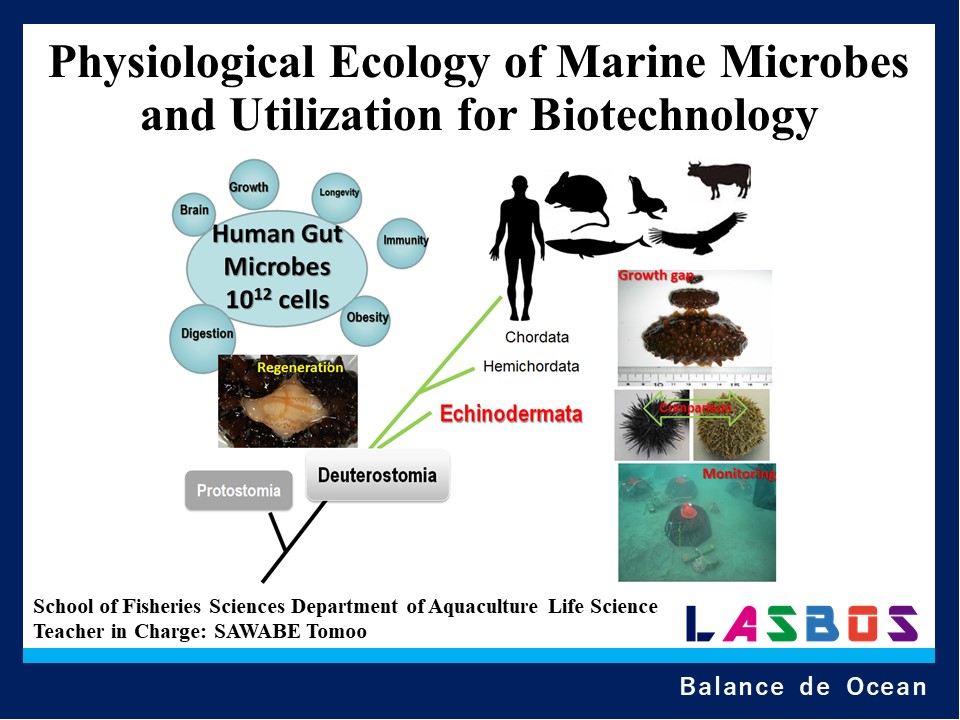
    • Economics of Fisheries 松石研究室研究紹介 Physiological Ecology of Marine Microbes and Utilization for Biotechnology

    • LASBOS SDGs top