Q
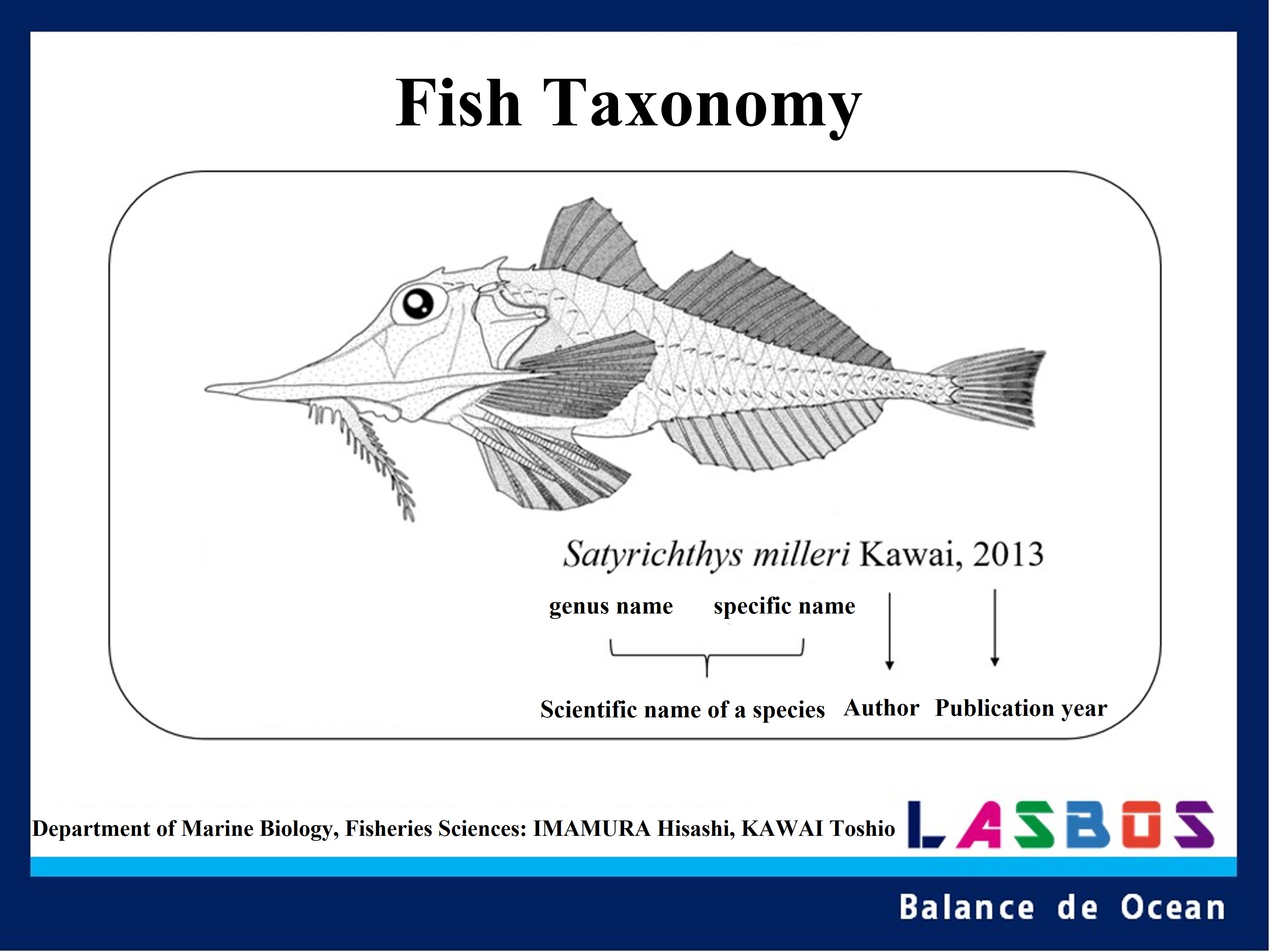
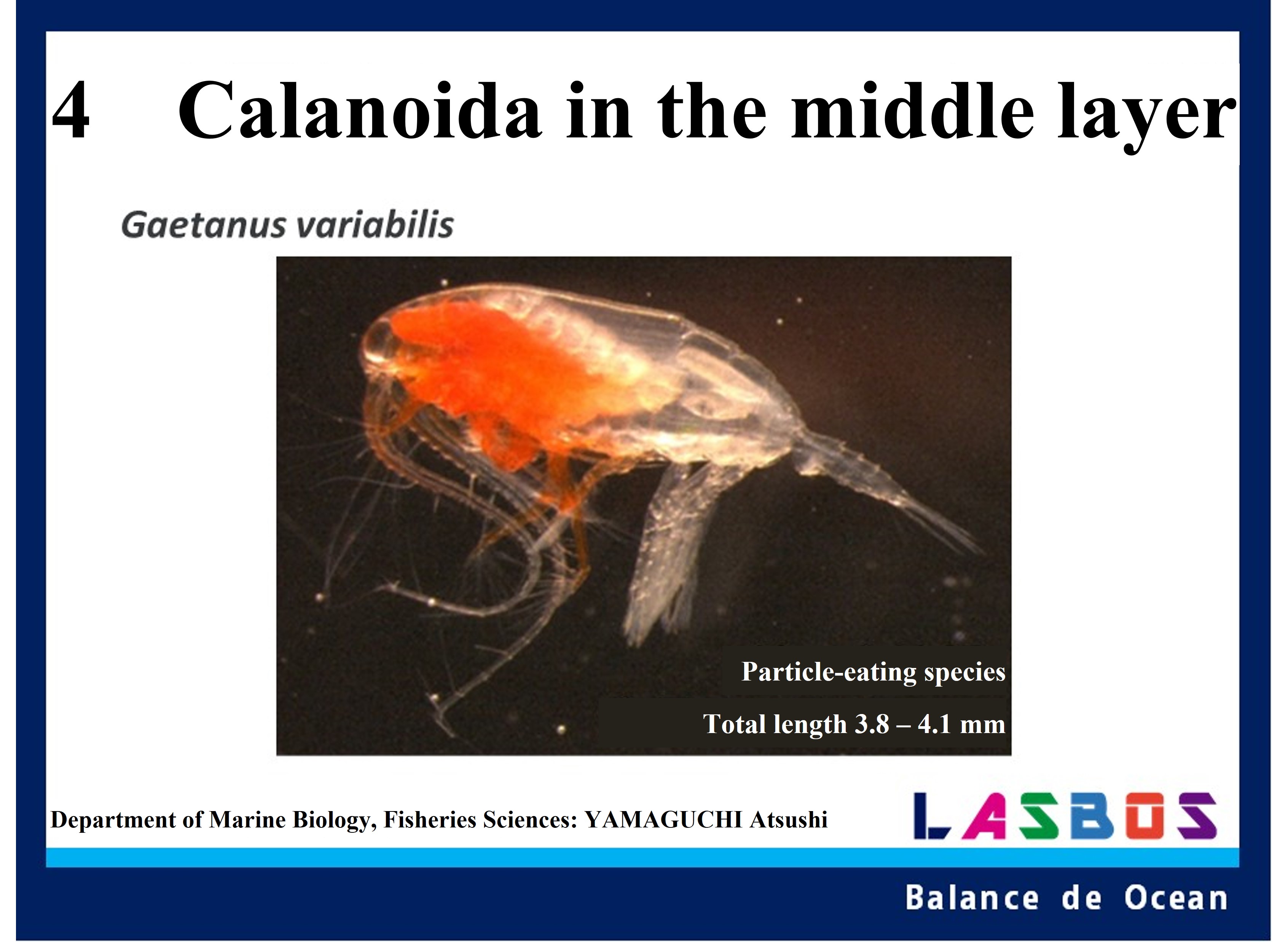
Can I study deep-sea fish?A Depending on the definition of deep sea, it is possible to collect fish at depths deeper than 200 m. What can we then study? You may be able to study fish taxonomy (Dr. IMAMURA, Dr. KAWAI, Dr. TASHIRO) or fish ecology (Dr. YAMAMURA). For more information, please ask each professor.
A (From Dr. YAMAMURA) Although the YAMAMURA Lab does not have a "deep-sea fish research" sign, we have graduate students who are currently studying the ecology of the Fuji whale (a small deep-sea shark) and the Kaup's arrowtooth eel (a deep-sea conger eel), and there may be other research subjects as well. We will mainly be participating in research cruises of external institutions with whom we are collaborating to collect data.
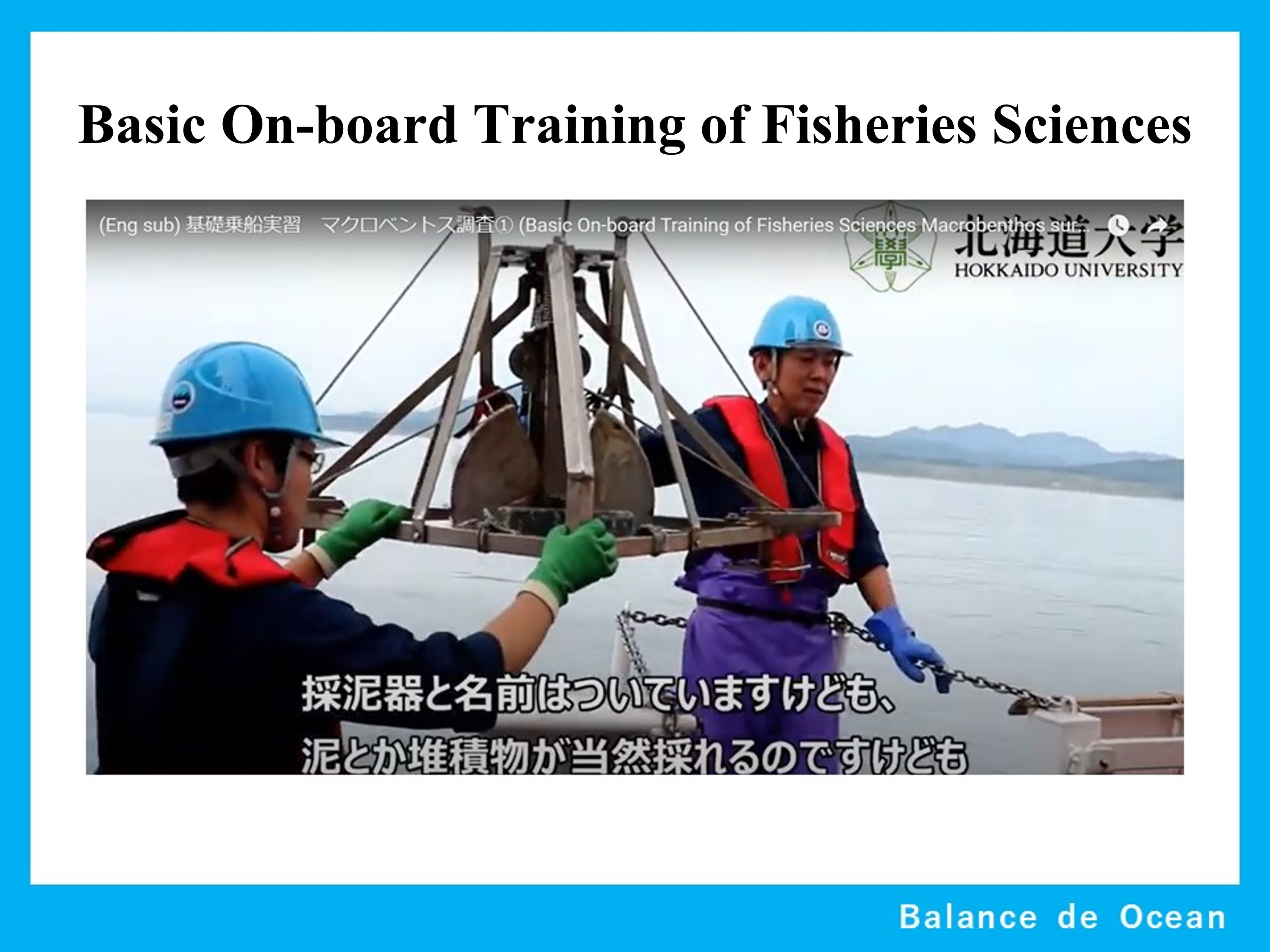
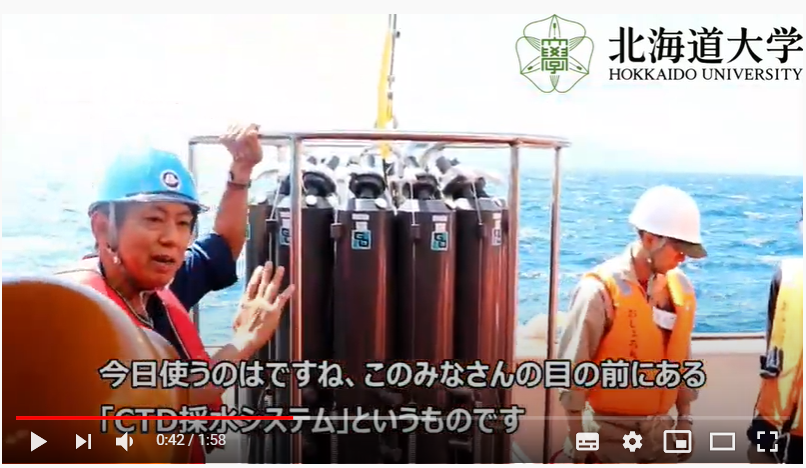
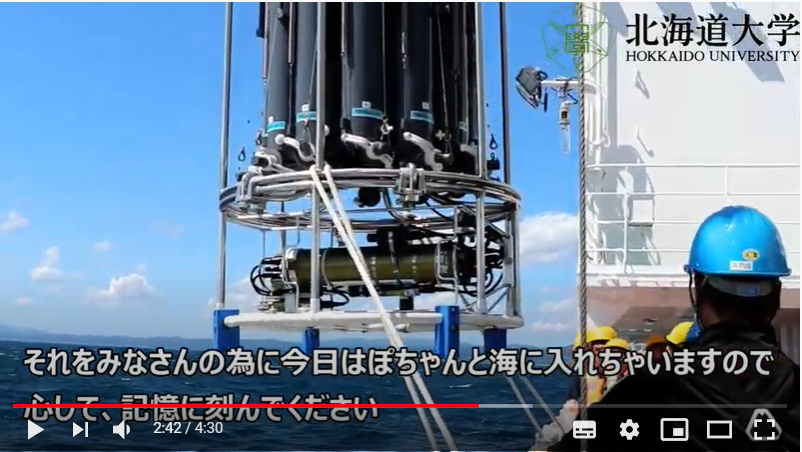
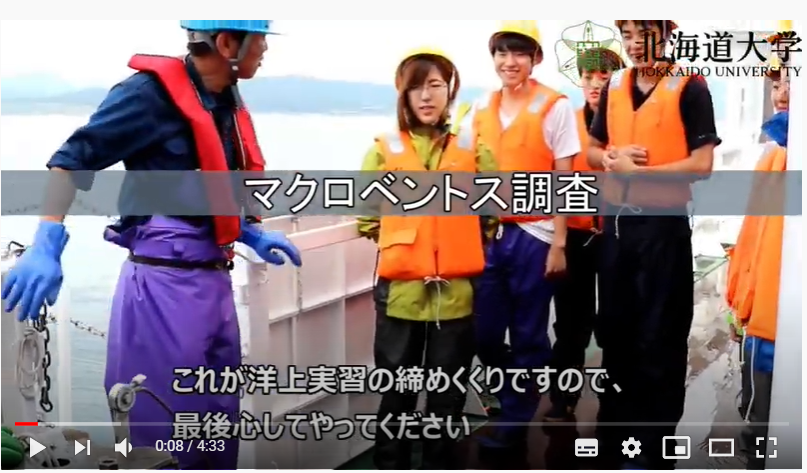
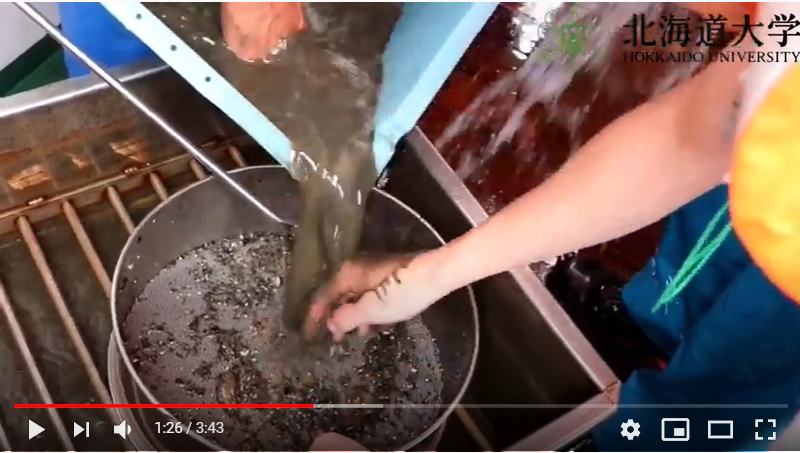
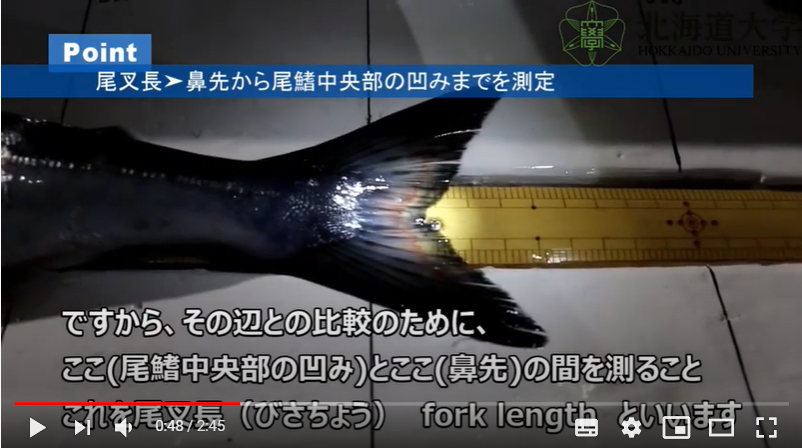
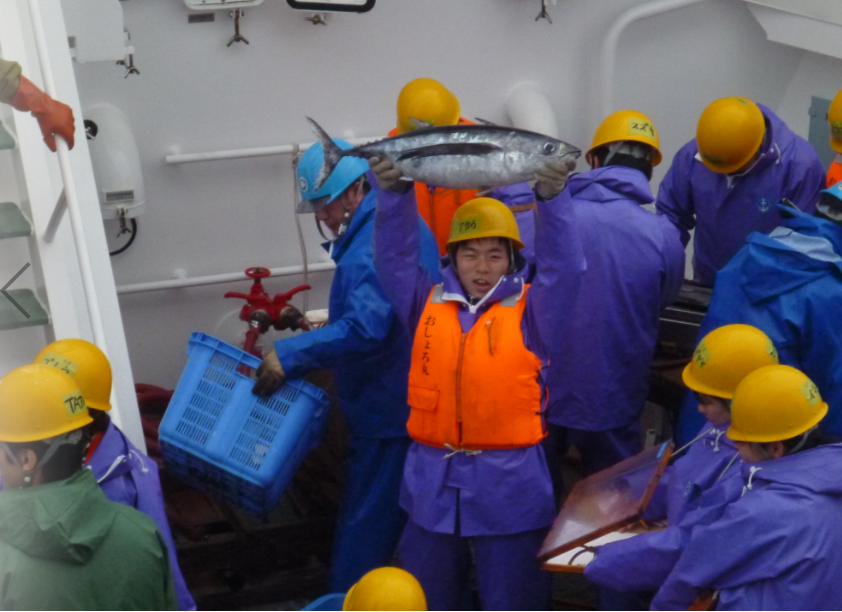
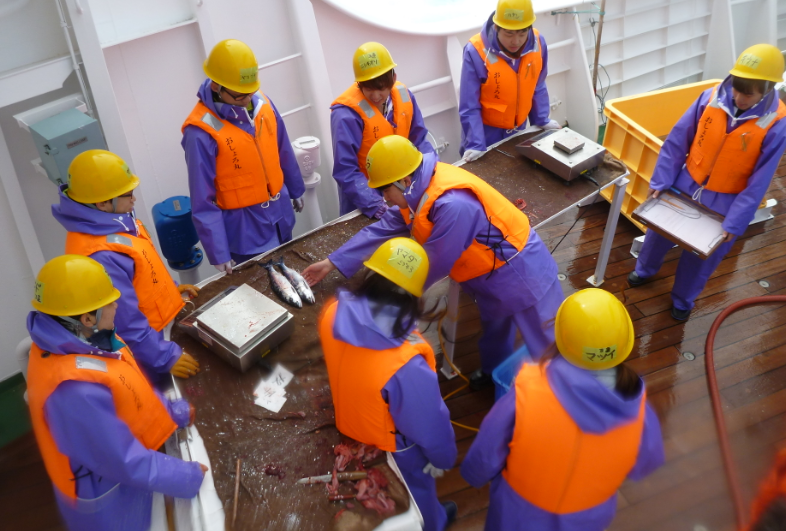
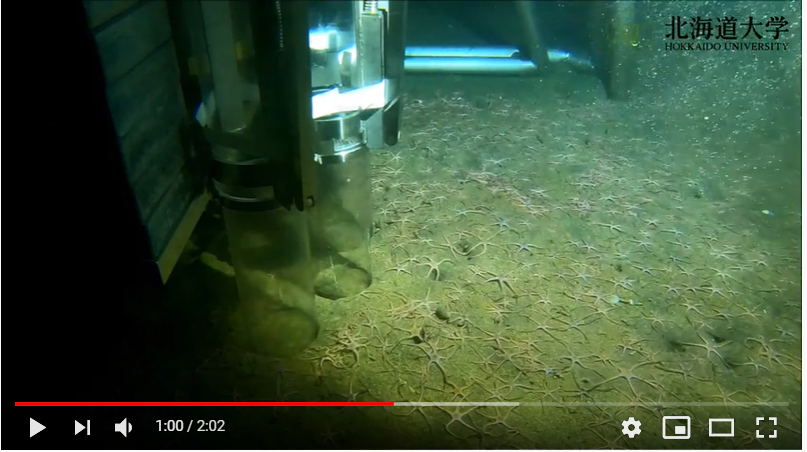
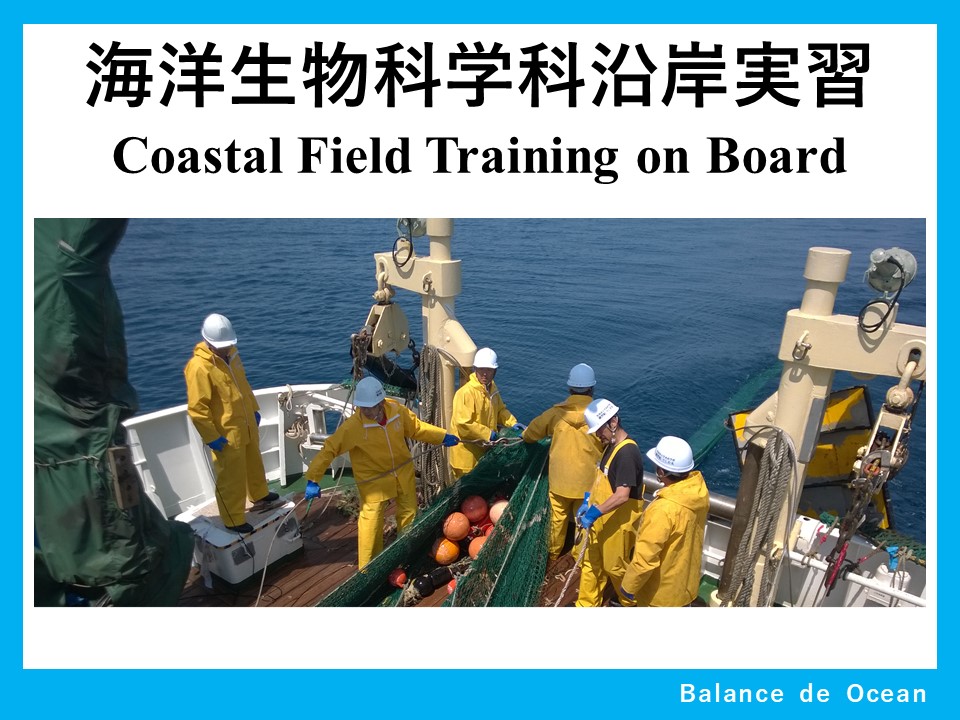
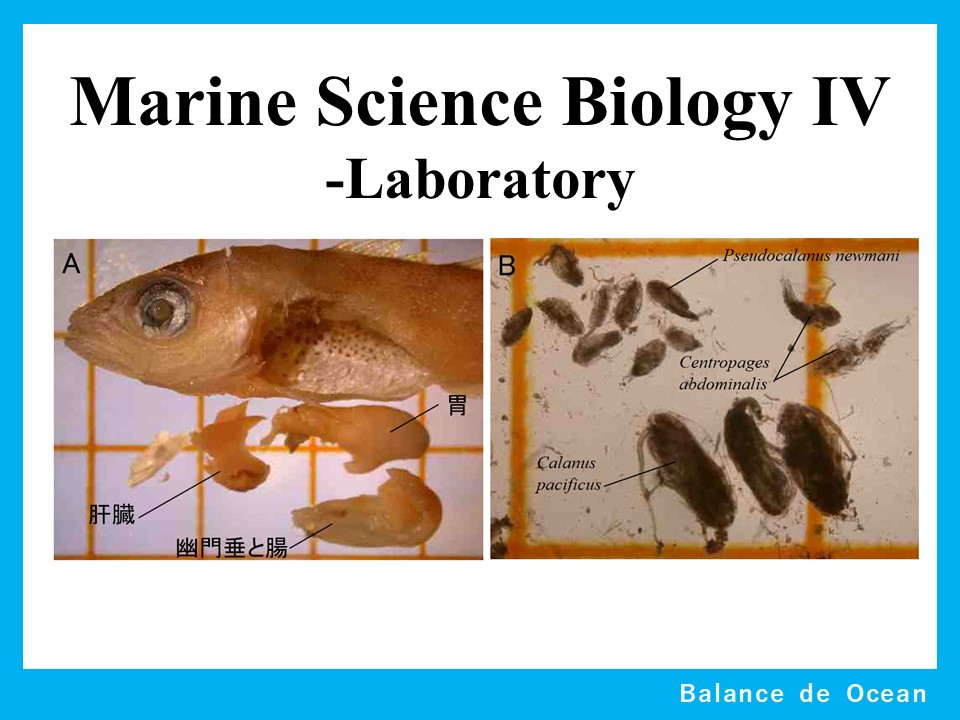
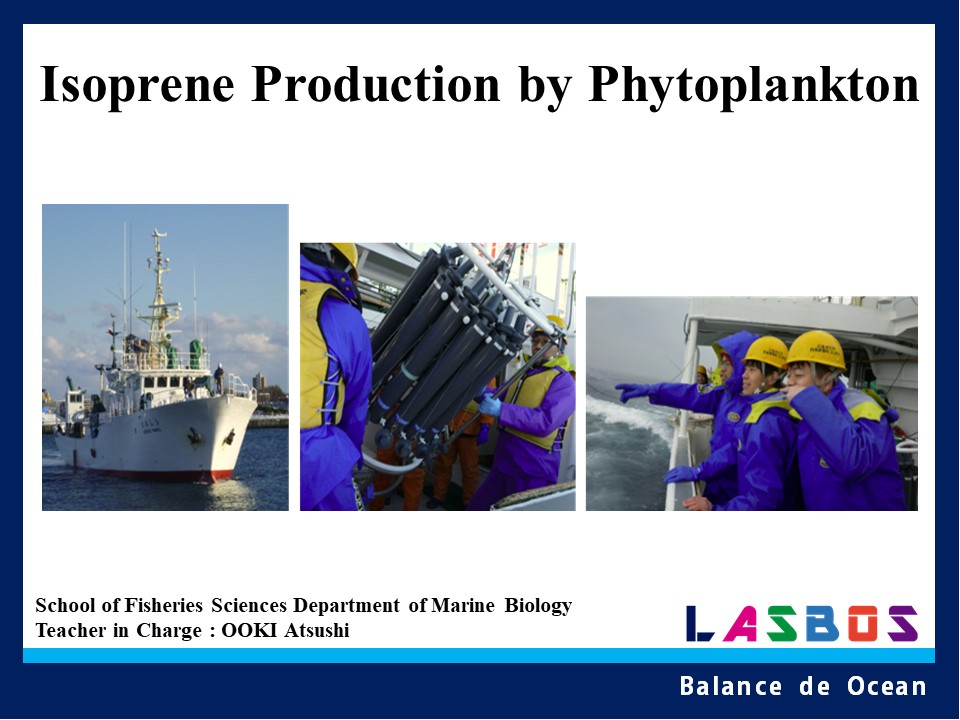
A (From Dr. Kawai) The Department of Marine Biology offers onboard training in the fall of the third year. During this training, we conduct deep-sea bottom trawling (usually at depths of around 800 to 1,000 m) and mid-water trawling after sunset. The bottom trawl collects Synaphobranchidae, Macrouridae, Moridae, Zoarcidae and Psychrolutidae, as well as Himantolophidae and Redmouth Whalefish. The mid-water trawl is a very good source of Bathylagidae, Sigmopos gracilis and Myctophidae. All fish collected are identified and weighed, and stomach contents of some species are also examined.
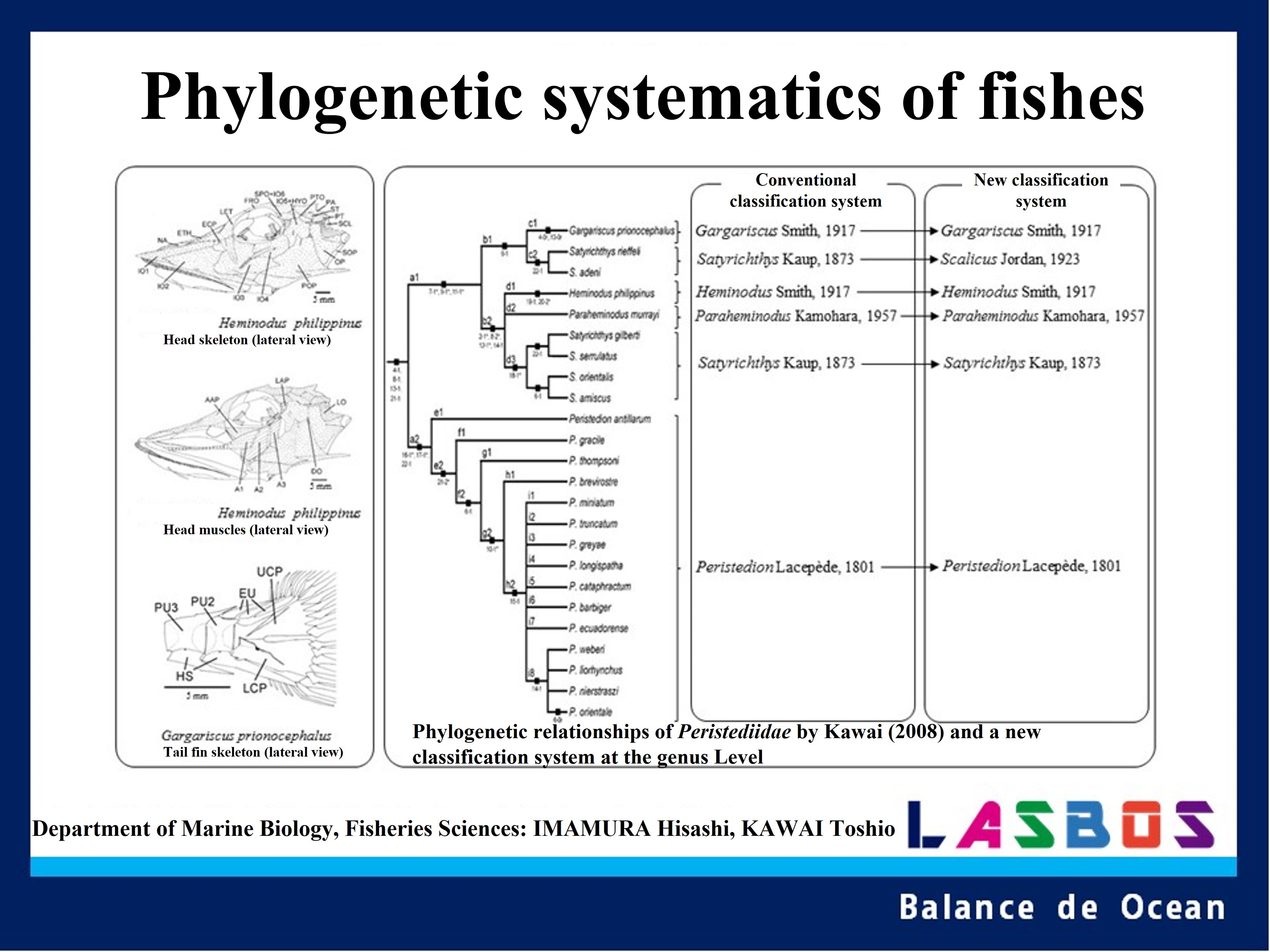
Our lab focuses on fish species and phylogeny. Students are assigned to different labs in their 4th year. Some students and graduate students are working on deep-sea fishes. For more information, please visit our website. http://www.humzfish.com/index.html
The Fisheries Science Museum, a branch of the Hokkaido University Museum, is located on the Hakodate campus. Its herbarium houses 230,000 fish specimens, including many deep-sea species. Student volunteers are also recruited. You can get in touch with deep-sea fishes in the course of their activities. https://twitter.com/FSC_HOUM
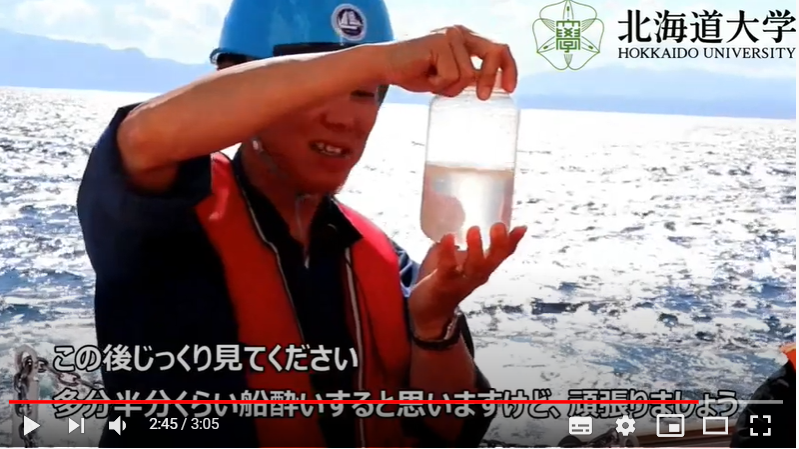
Q I am worried about seasickness.
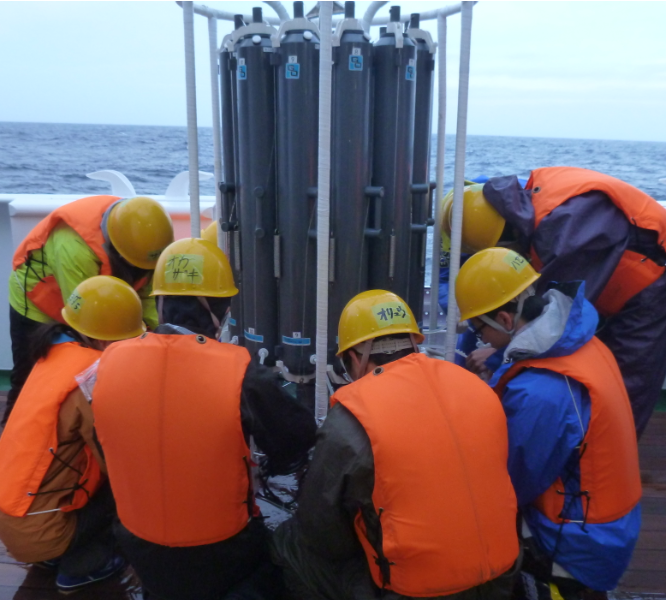
A Participate in basic on-board training. This is a sailing training in Hakodate Bay and the nearby Tsugaru Straits. In rough weather, you will probably enter a calm bay (not too bumpy) without straining. If you are okay with this voyage, you can participate in the field training on board and shipboard training. Even if you do not board the ship, you can still graduate by taking other practical training class credits.
Link to Column "Seasickness and Research"
Q Why, in the Department of Marine Biology, is there Marine Chemistry?
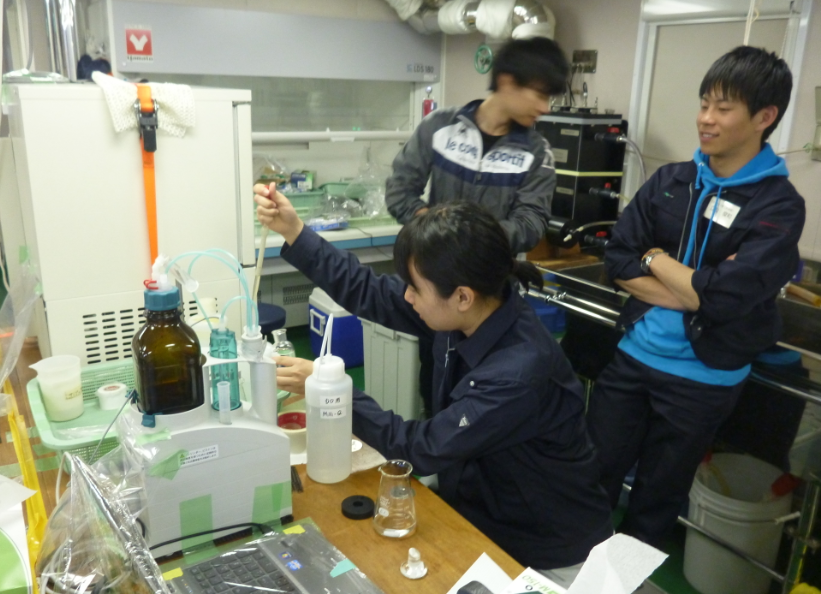
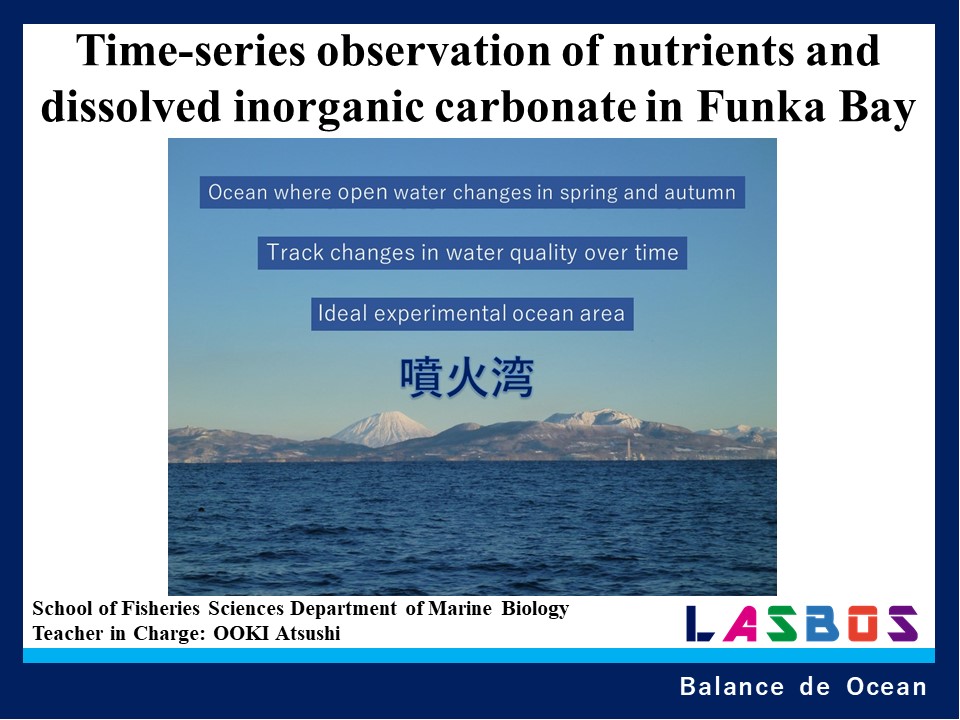
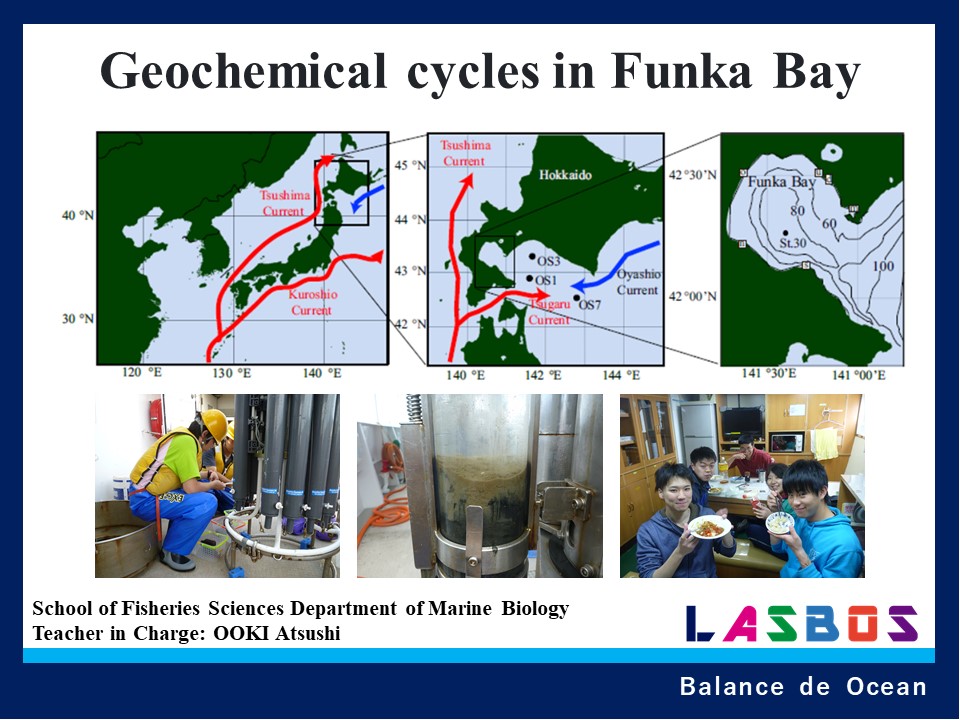
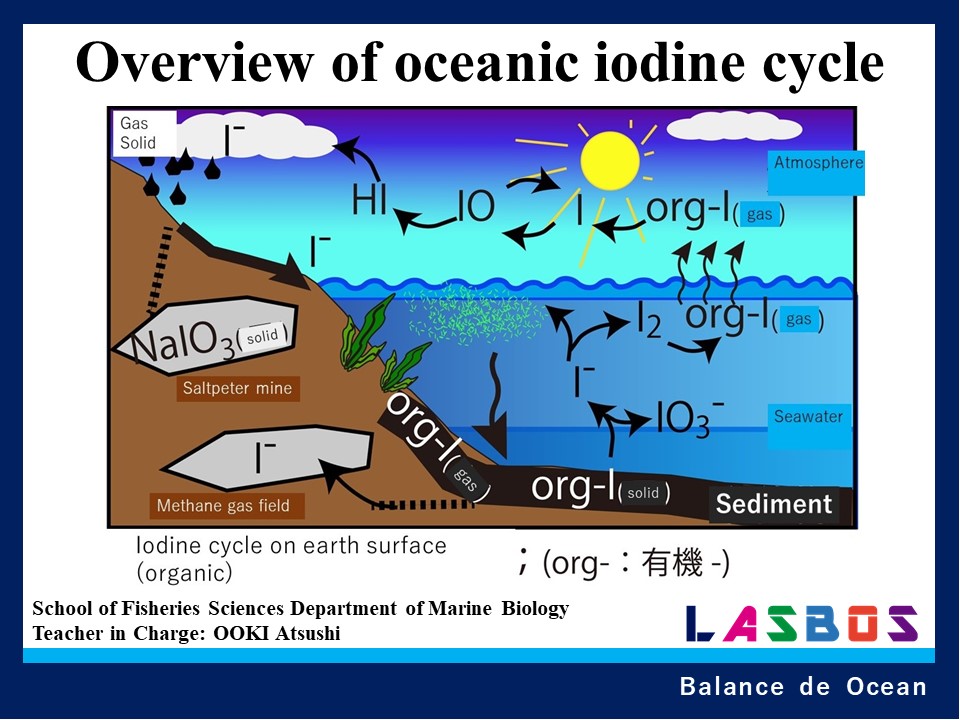
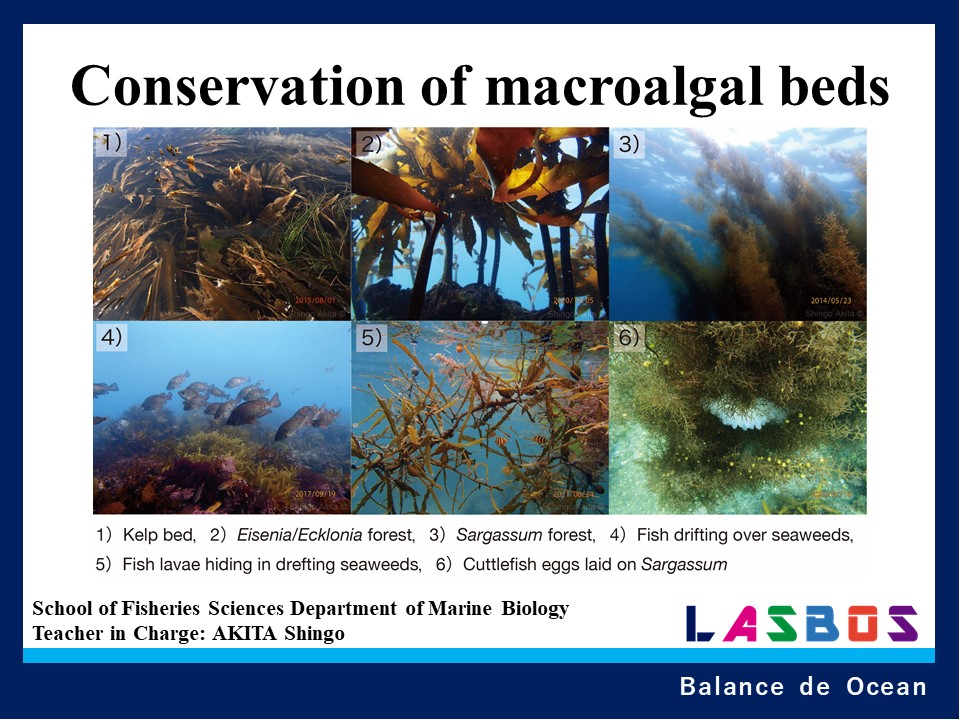
A Marine primary production supports the marine ecology, right? Marine primary production is determined by the flow of water and the supply of nutrients in the oceans. Our department covers a wide range of topics from the marine environment to marine ecology.
Q I only studied physics and chemistry in high school, is that OK?
A The Department of Marine Biology requires a required biology course, so you will need to learn the basics of biology on your own. However, studying physics and chemistry is an advantage in understanding the marine environment, so the Department of Marine Biology should also be considered as an option.
Q Should I go on to graduate school? If I get a job, won't what I have researched be useful?
A If you are interested in research, we recommend that you enter graduate school. Hokkaido University is a graduate university, and has a research environment that is commensurate with the training of a researcher. Even if you end up working in a position other than research, your graduate school experience will not be wasted. In the course of your research, you will acquire information from papers, formulate a research plan, acquire and organize data through surveys and experiments, analyze data, engage in various discussions in the laboratory, and make presentations at academic conferences (it is not unusual for some of you to make presentations at international conferences in English). These experiences will be beneficial to you even if you find a job in a field unrelated to your field of research. In our department, the employment rate is higher for master's degree students than for undergraduates, and the percentage of students who are employed in specialized fields is also much higher.
Q What kind of employment opportunities are available?
A We will answer this question for the entire Faculty of Fisheries science. Although students are employed in the private sector (in a variety of occupations), government offices (civil servants), and research institutes, the breakdown differs between those with undergraduate, master's, and doctoral degrees. For the 2019 academic year, 39 undergraduate graduates were in the private sector, 4 in the public sector, and 1 in a research institute, with 141 going on to higher education. Master's degree holders were 84 in the private sector, 11 in public offices, 7 in research institutes, and 10 went on to higher education. Doctoral graduates were 3 in the private sector, 3 post-doctoral researchers, and 4 university faculty members.
Unlike "college placement results by high school" in high school, job placement is not determined by deviation score, and "the same grades do not necessarily mean the same job placement". The "employment results" are the results of your seniors and are not directly applicable to you. First of all, think about what kind of job you are interested in.
Q I am interested in studying freshwater fish, but I am wondering whether to study in the Department of Marine Biology or the Department of Aquaculture Life Science. What are the differences?
A (From dr. WADA) The boundary between the two departments is blurred, but the Department of Marine Biology is more in line with "ecology" and the Department of Aquaculture Life Science is more in line with "physiology". For example, in my laboratory, graduate students are studying the morphology, behavior and evolution of life history of char and land-locked trout from an ecological perspective, and 4th year undergraduate students are studying the learning of lingcod. They are not studying genes or neurophysiology.
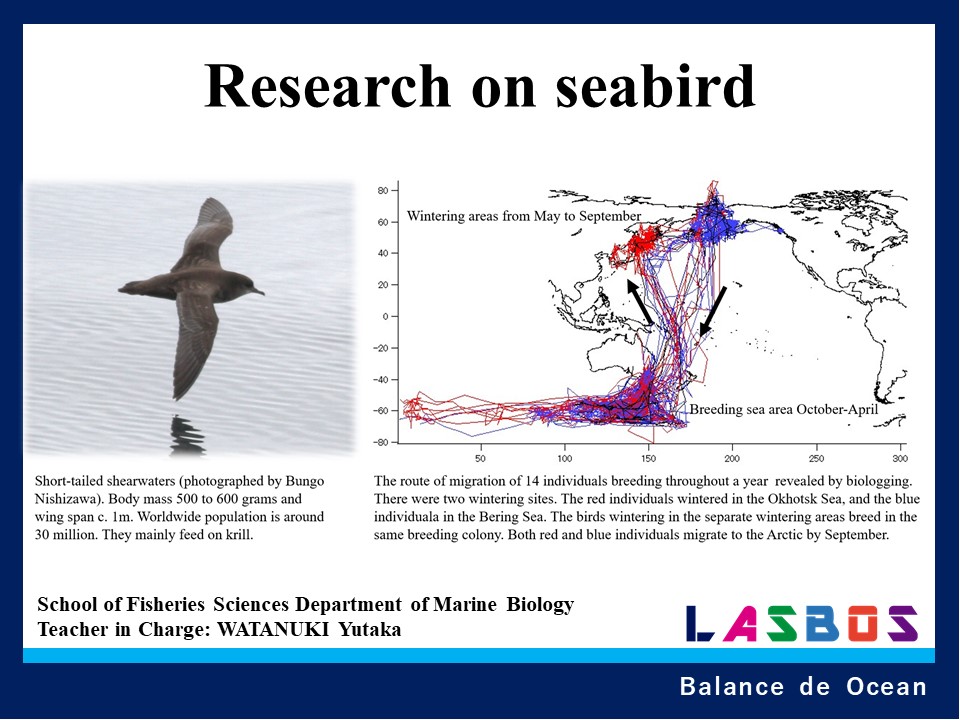
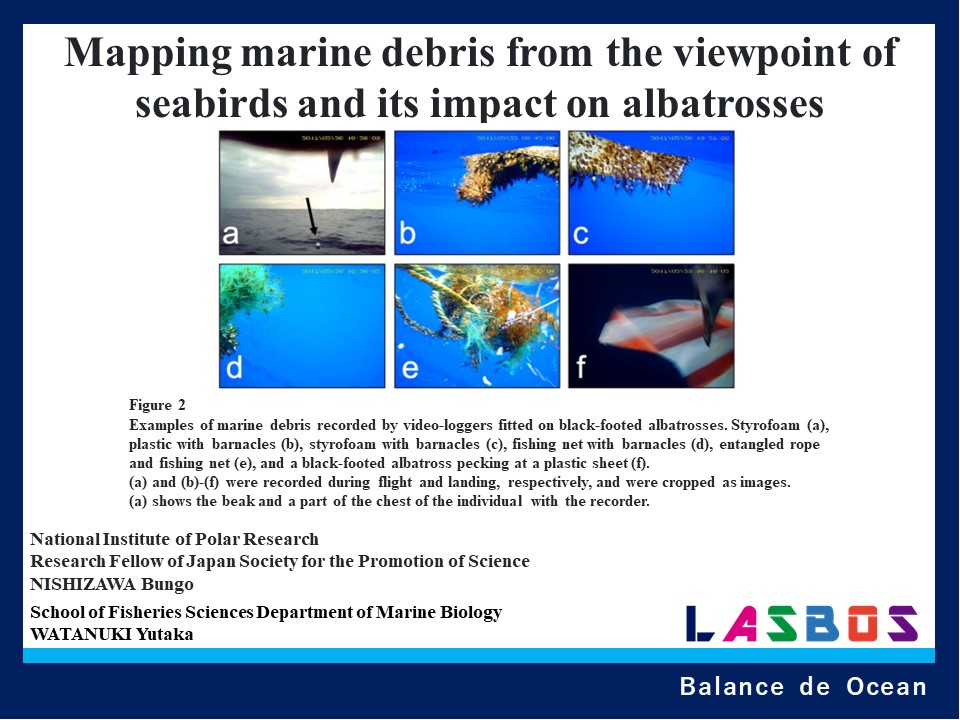
Q I am interested in biologging, but I don't know whether to enter the Department of Applied Marine Science or the Department of Marine Biology.A In the Faculty of Fisheries, the faculty members who conduct research on biologging are WATANUKI (seabirds) in the Department of Marine Biology, and TAKAGI (fish), MIYASHITA (fish, etc.), YONEYAMA (fish), and TOMIYASU (fish, etc.) in the Department of Applied Marine Science. Considering the target organisms for biologging, seabirds are in the Department of Marine Biology, and fish are in the Department of Applied Marine Science.
Q I am interested in Antarctica, but..,
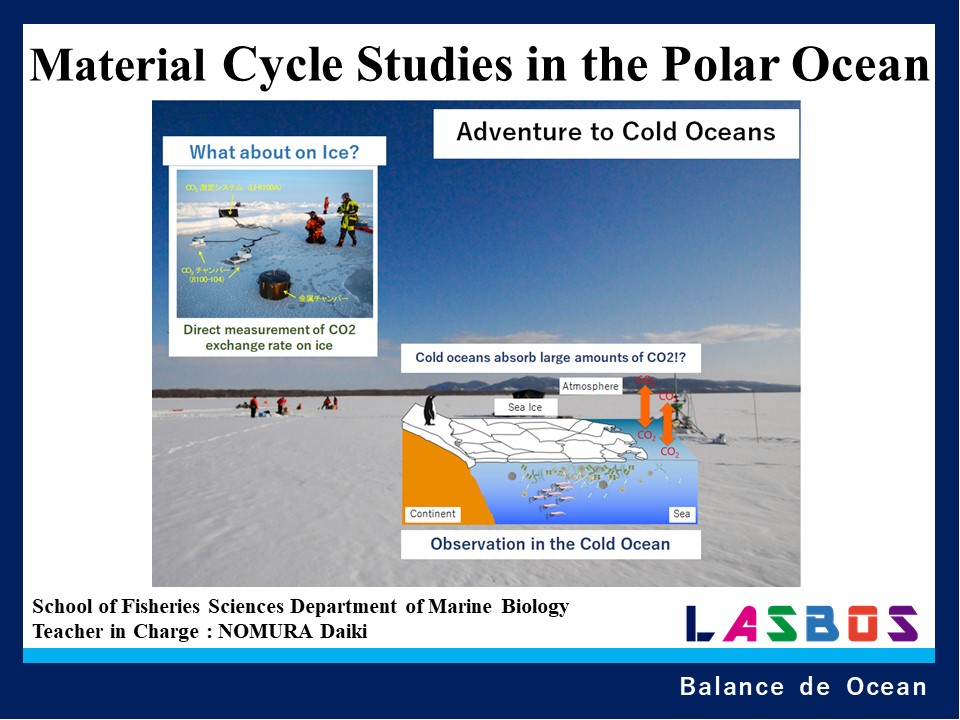
A By all means! However, you will be able to participate in the Japanese Antarctic Research Expedition (JARE) only after you enter the doctoral course or after your second year of master's course after you have decided to enter the doctoral course. Until then, you will be able to participate in ice observations at Lake Saroma. It is also a good idea to familiarize yourself with field research through oceanographic observation by a training ship. In any case, if you have a strong desire to go to Antarctica, learn and take action to achieve it, you can make it happen. (By Dr. Nomura, Oki writing on behalf)
Q I am interested in jellyfish, can I do it in the Department of Marine Biology?
A (From Dr. YAMAMURA) Although there is no faculty member in our department who specializes in jellyfish, species identification and abundance estimation based on video data may be possible in the plankton laboratory, and a master's course graduate student is currently conducting research on jellyfish species that appear in coastal waters at the Ususjiri Laboratory. It may be difficult to implement the project if you are waiting for the project to be completed, but if you have enthusiasm and an idea, and if you consult with the faculty well in advance, there may be a laboratory that can accommodate your request.
A (From Dr. WADA) In my laboratory, we have been conducting a master's research on "polyps" of the water jellyfish for two years in a row, last year and this year. When we think of jellyfish, we all think of them floating in the sea, but those are the sexually reproducing generation called "medusae," and very simply put, the asexually reproducing generation born from medusae is the "polyp". Polyps resemble sea anemones in shape. The master's students had also done field research on medusae and had tried experiments with several species of jellyfish, but the experimental manipulations were quite difficult and they found many interesting results with polyps, which are easier to keep in captivity, so they both decided to do their master's research with polyps.