セクションアウトライン

  • An overview of the oceanographic research by the new T/S Ushio-maru from January 10-13, 2023.

    This cruise was conducted to obtain data for the graduation thesis and master's thesis and to obtain data related to a research grant projects by the Hokusui Kyokai Foundation For Hokkaido Fisheriesand a joint assessment of walleye pollock with Japan Fisheries Research and Education Agency.

    •  

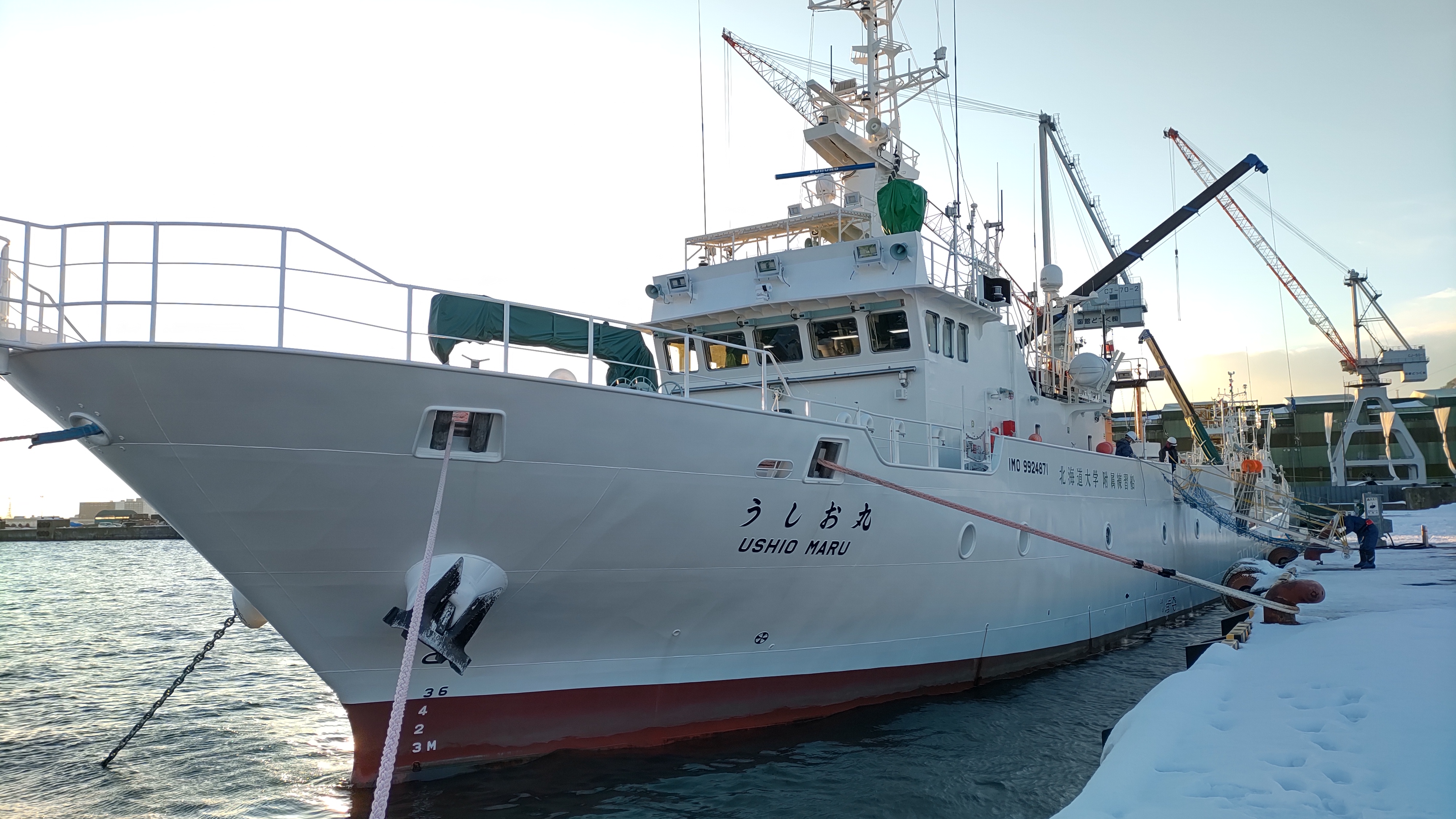
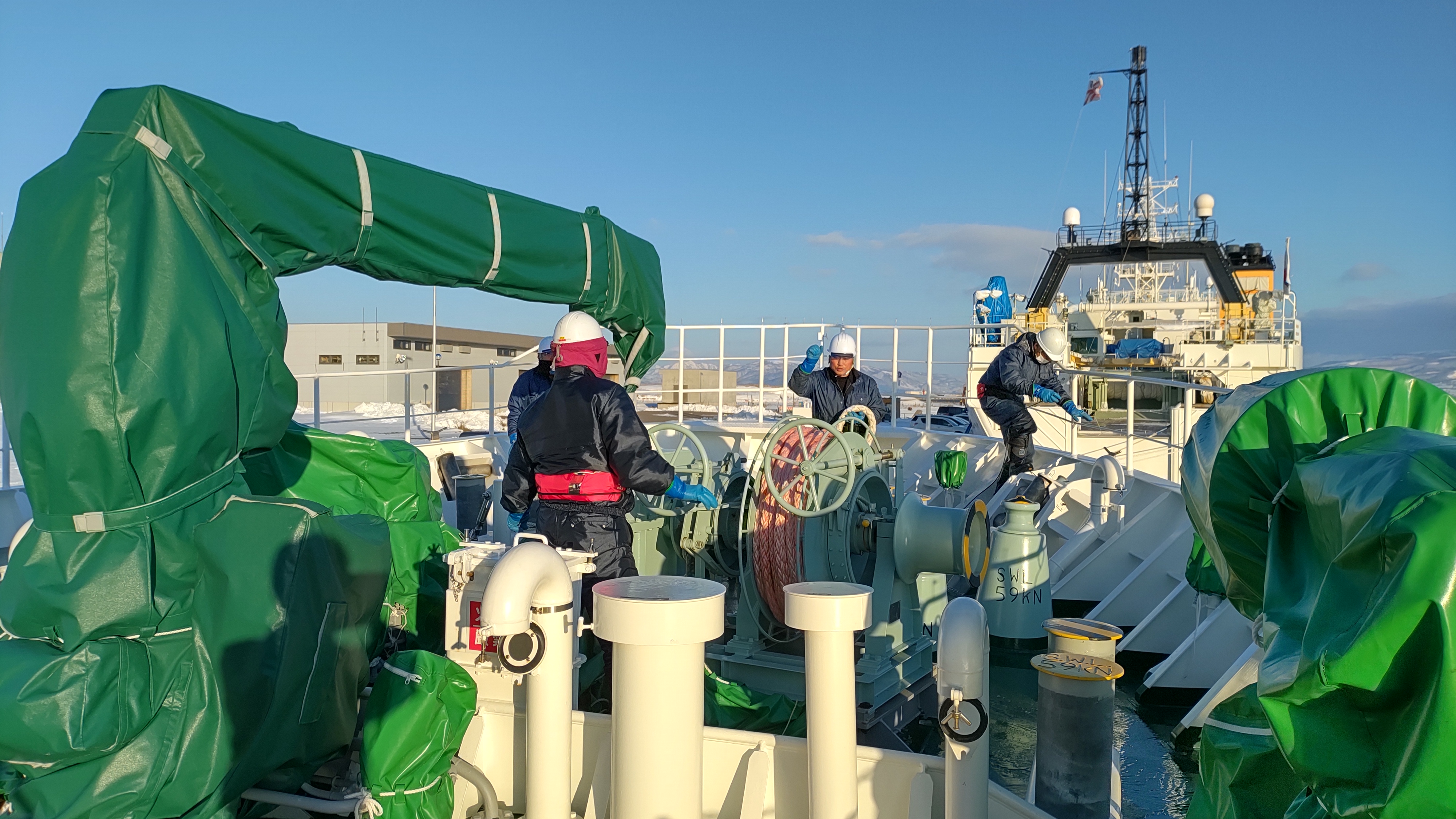
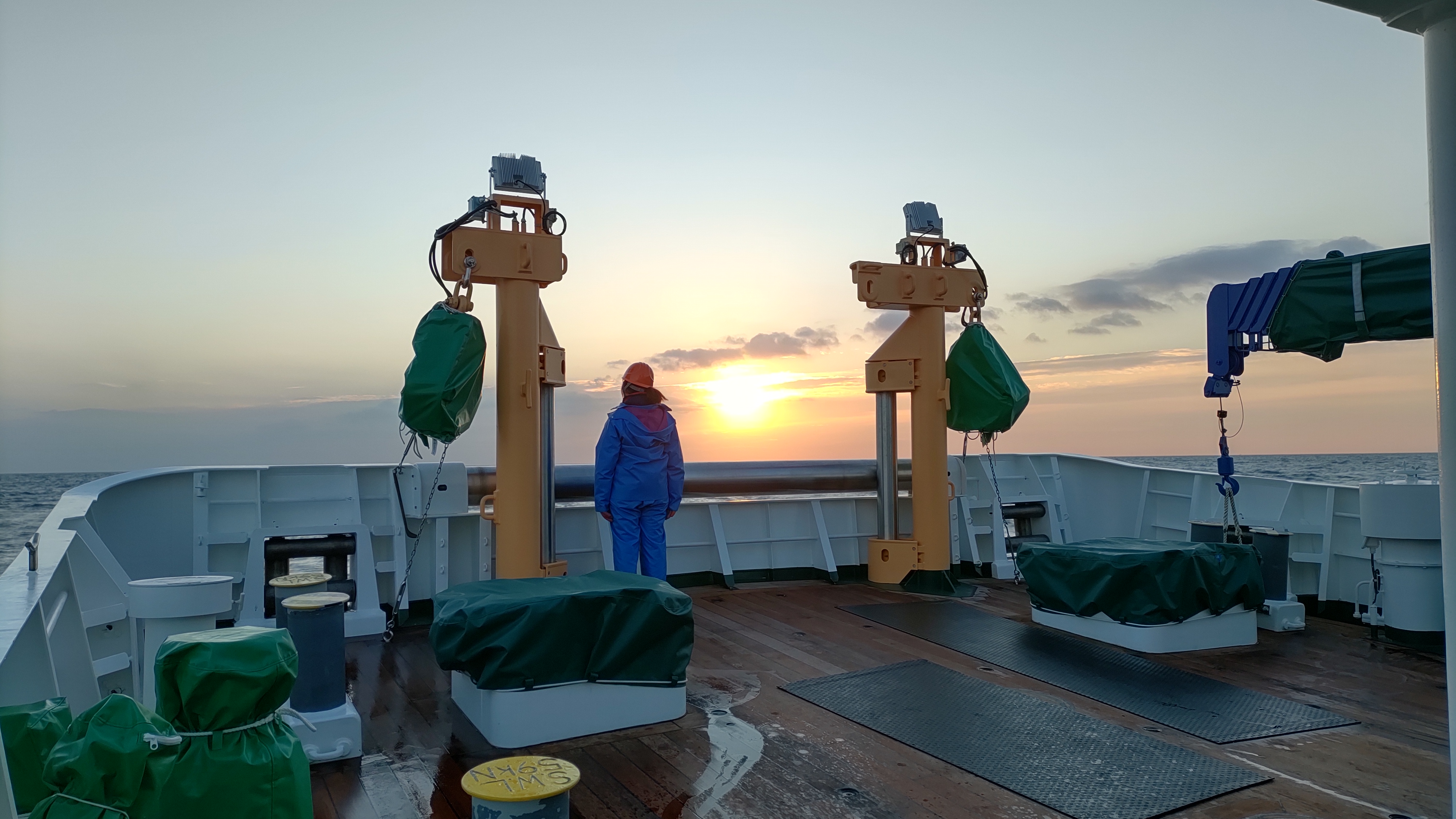
    • T/S Ushio-maru bathed in the morning sun. Preparations are already underway on the ship for departure.
    •   

    •   

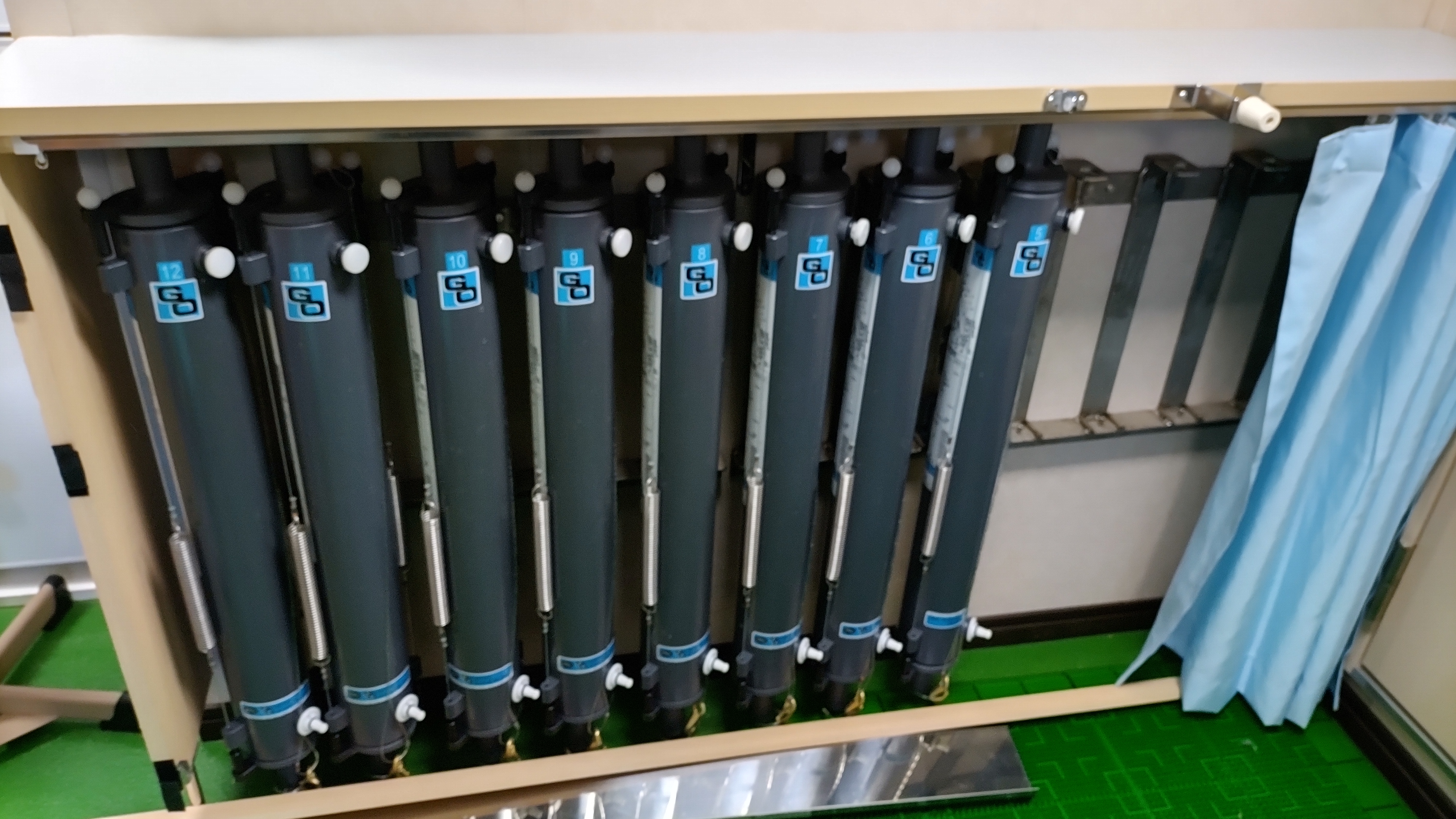
    • Niskin bottles for collecting seawater in various depth layers. X-Niskin (3L volume) with Teflon coated interior.

    •   

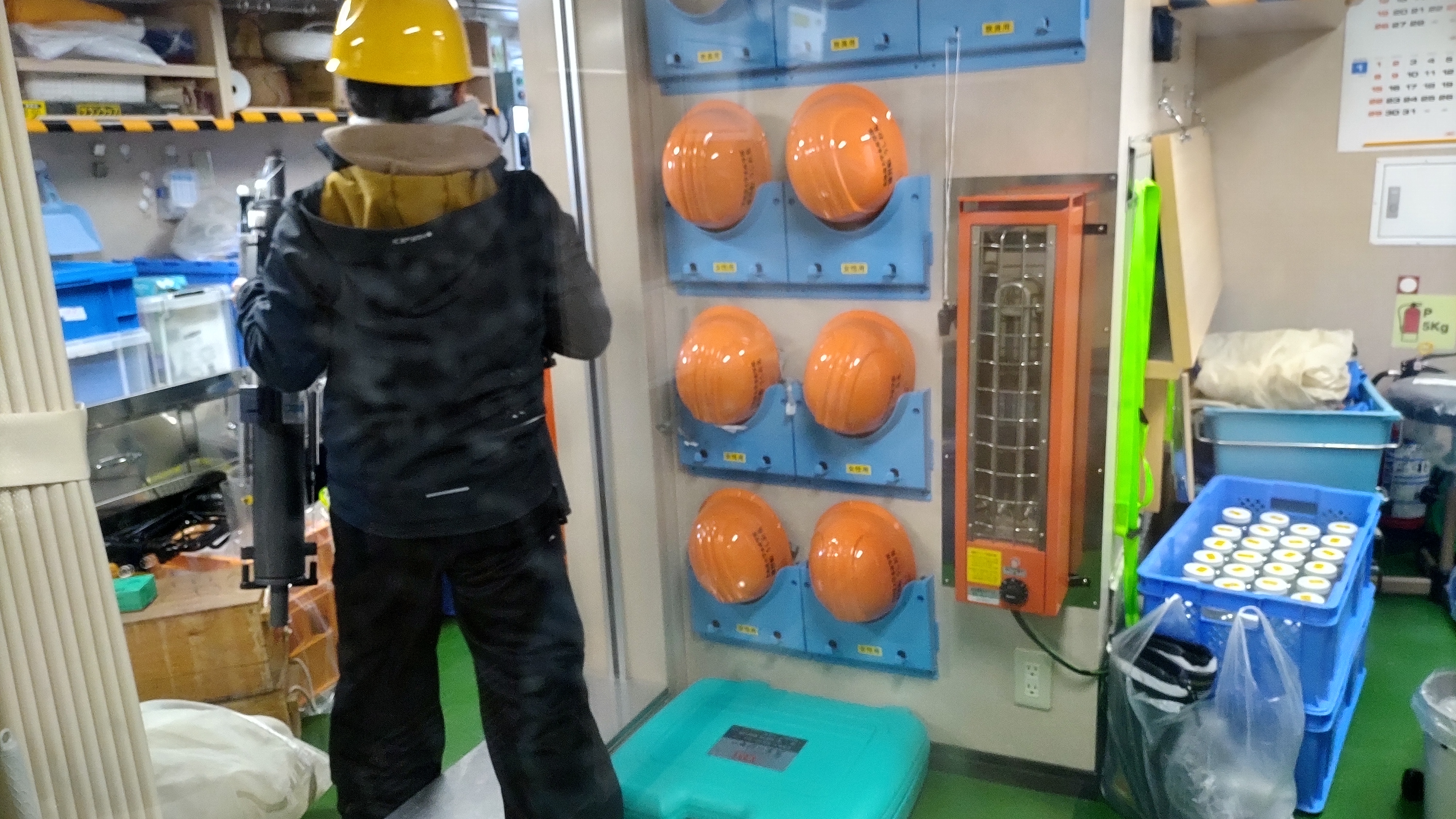
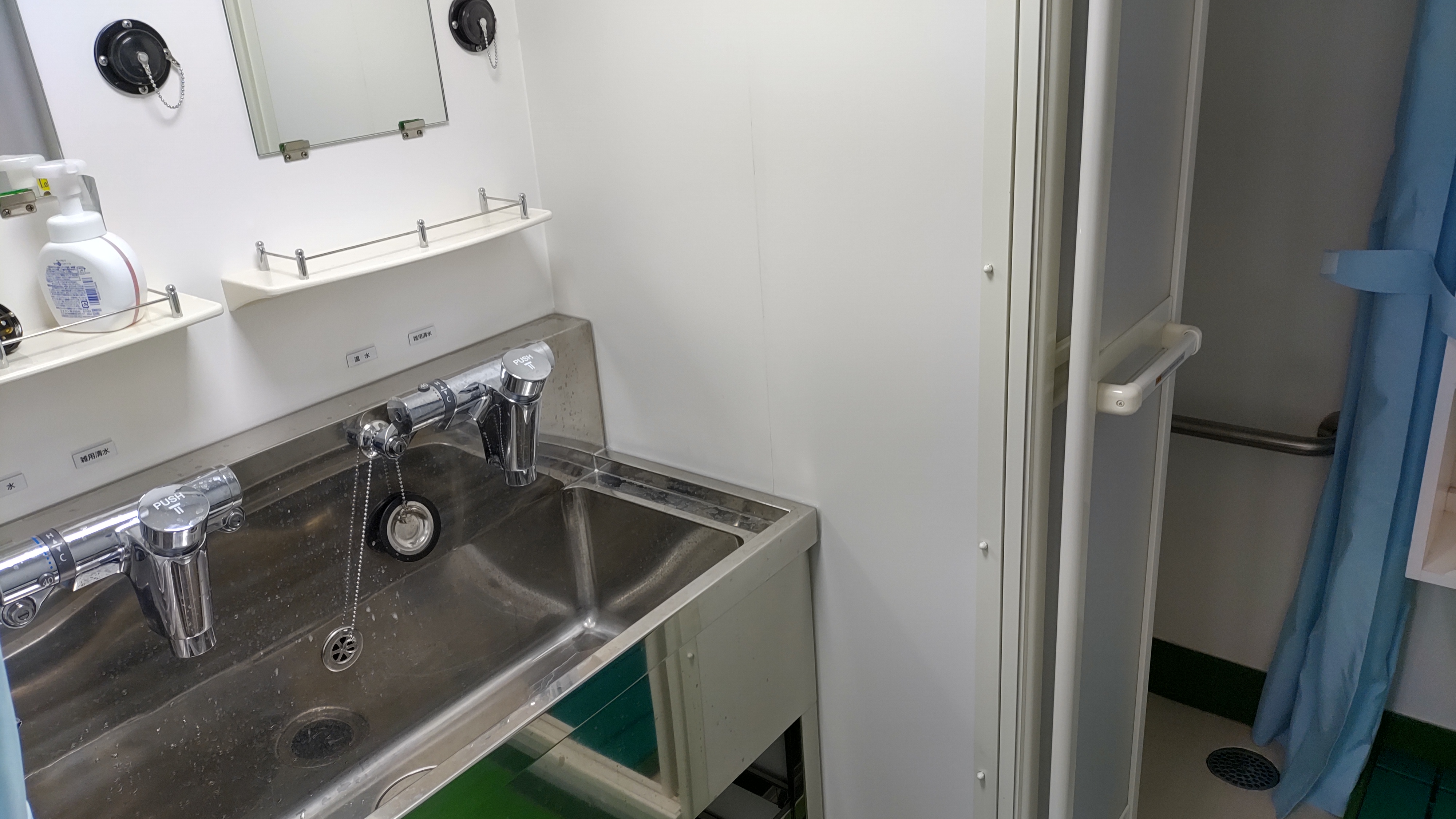
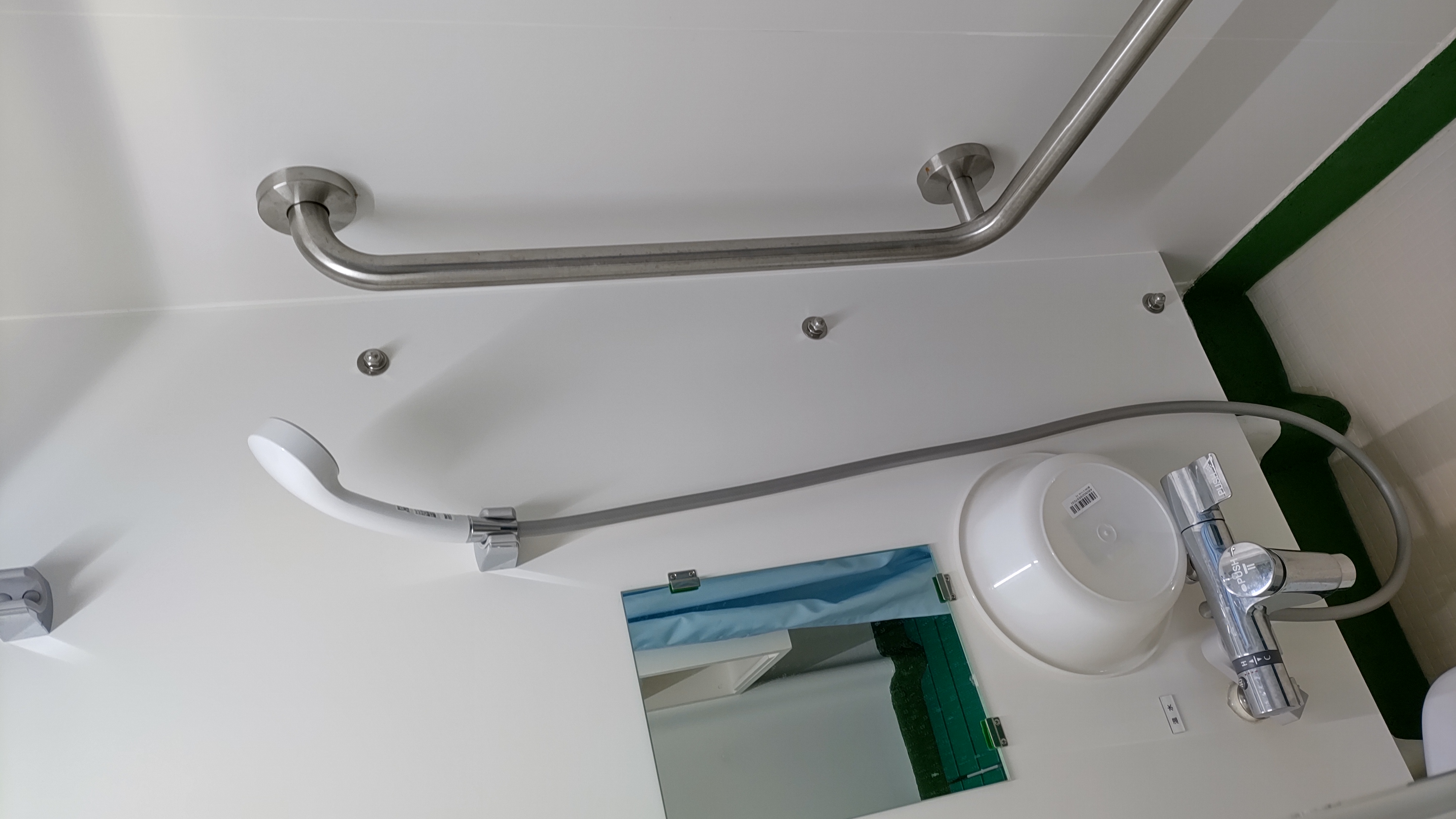
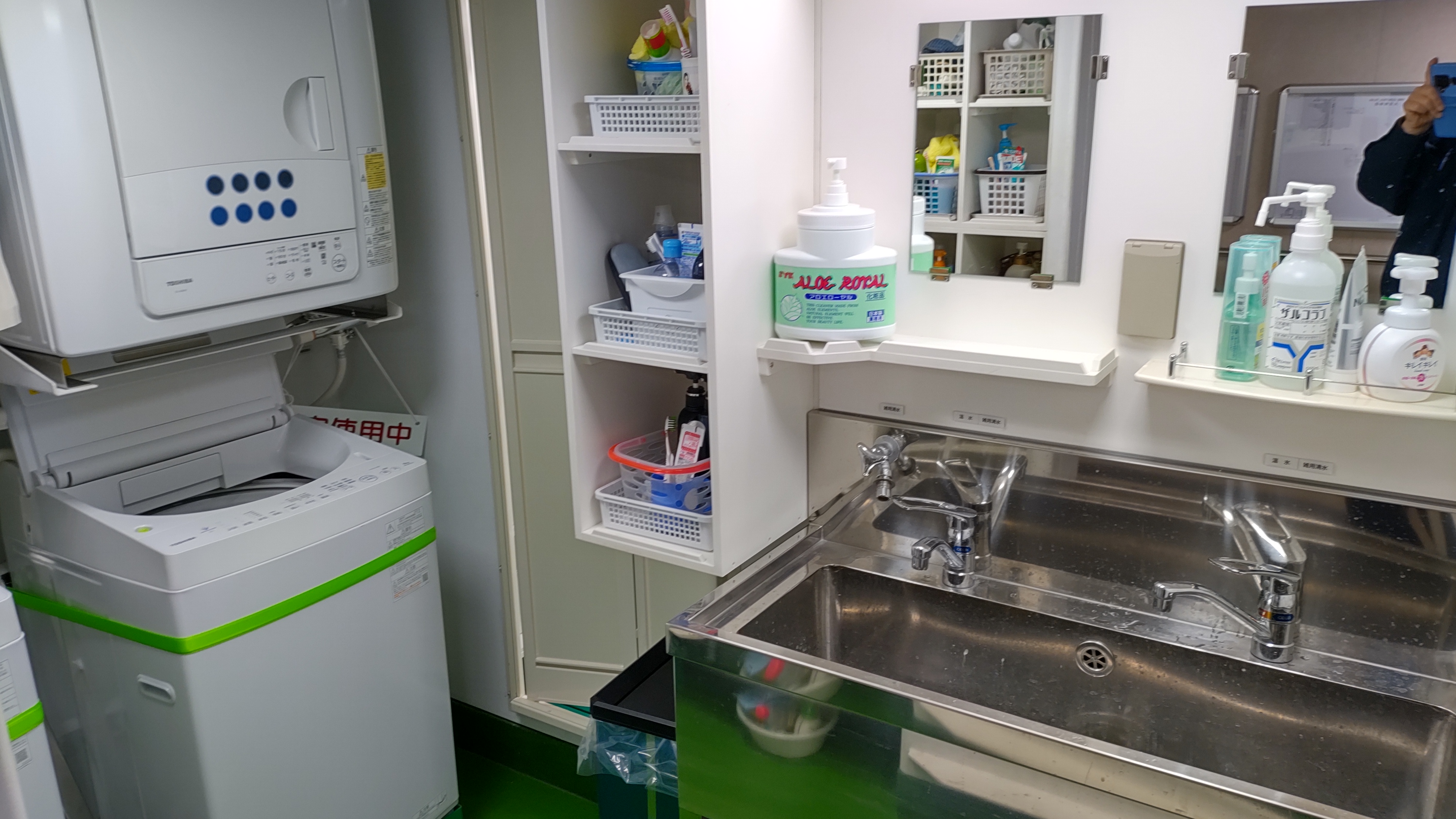
    • Shower room for students and faculty; the third photo shows crew washroom for the crew. A women-only sanitary compartment has also installed (No photos).

    •   

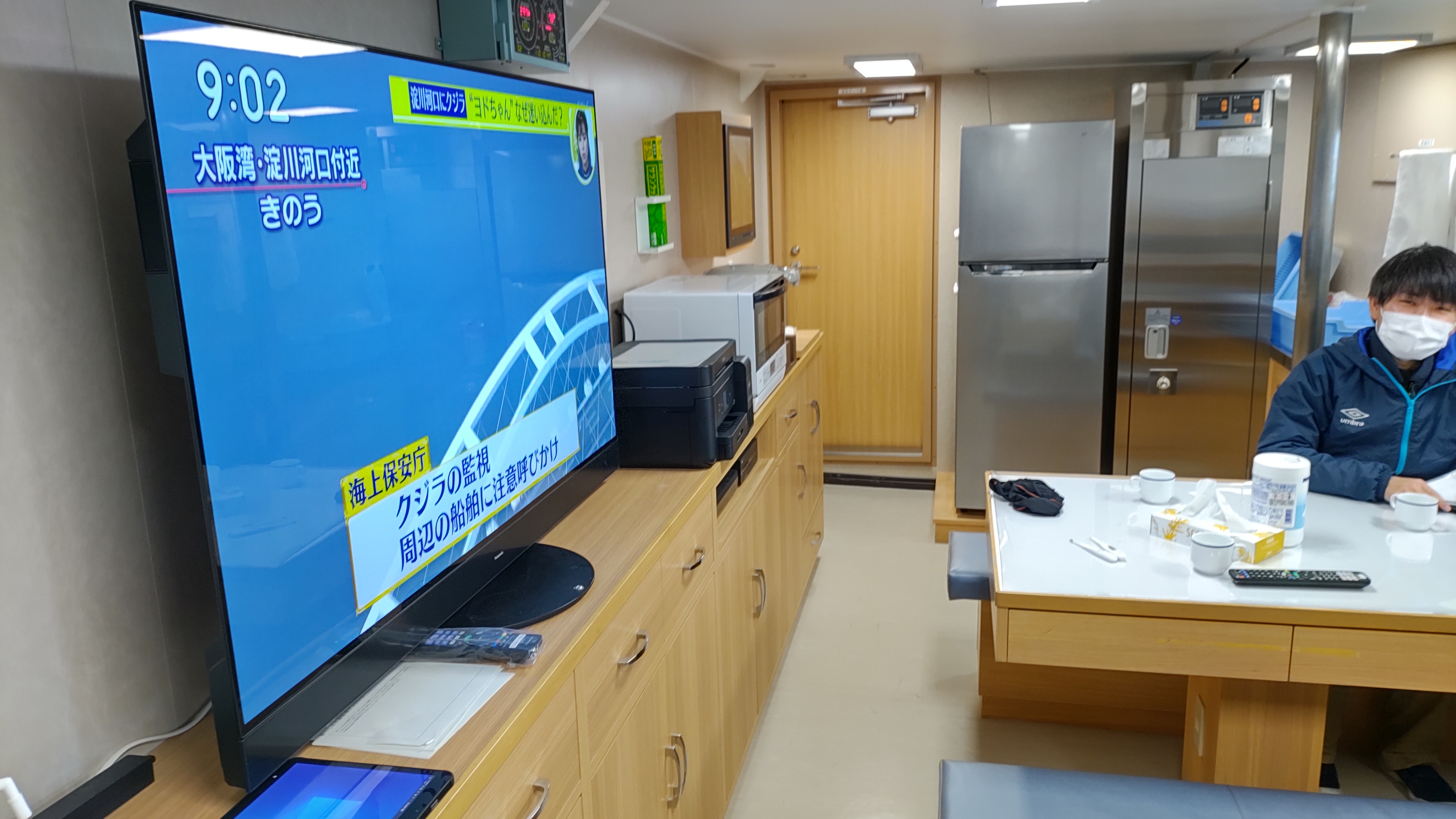
    • Large-screen TVs can receive both normal and one-segment waves. (1-seg. is Japanese terrestrial digital broadcasting service for mobilidevices).

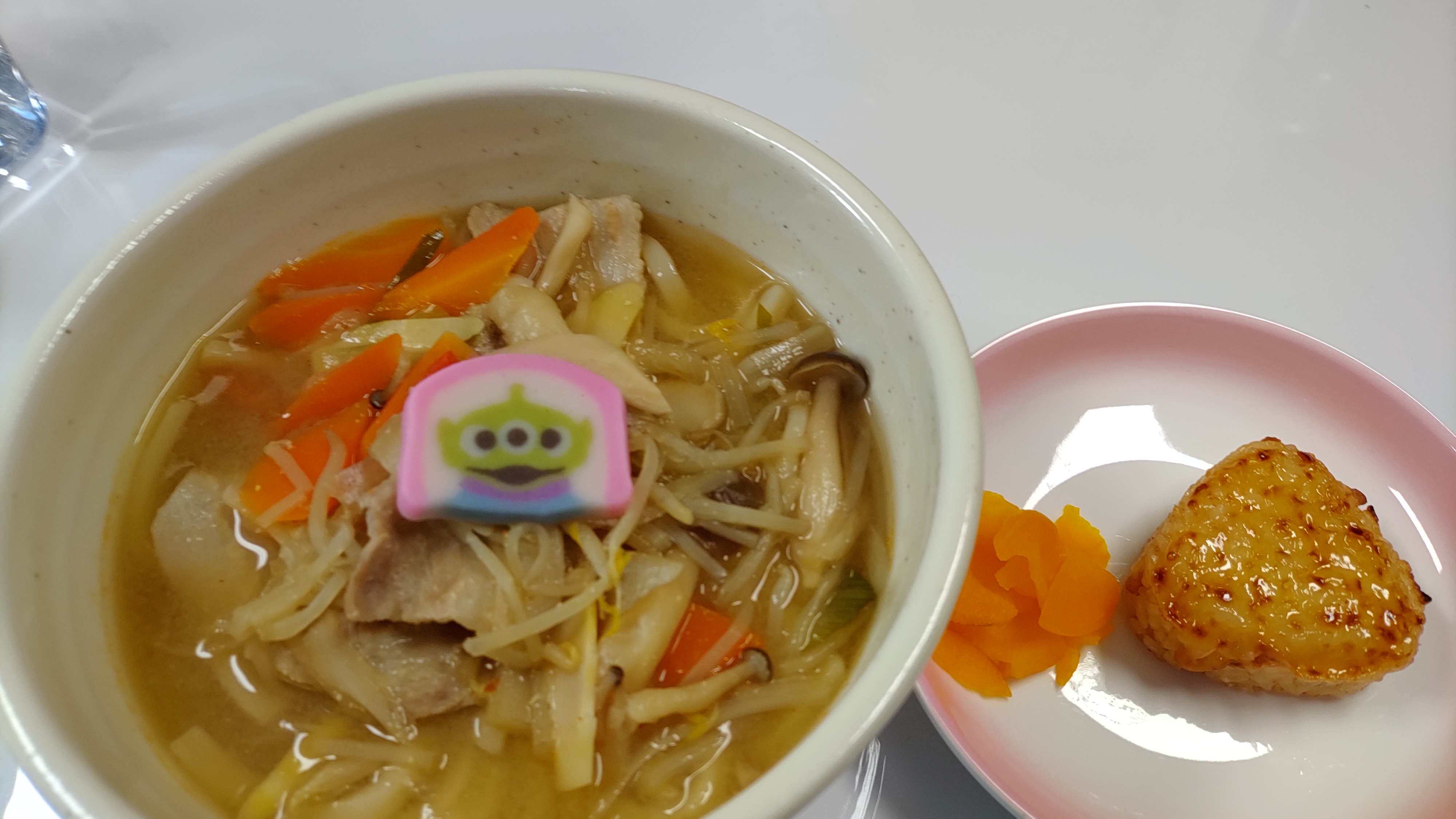
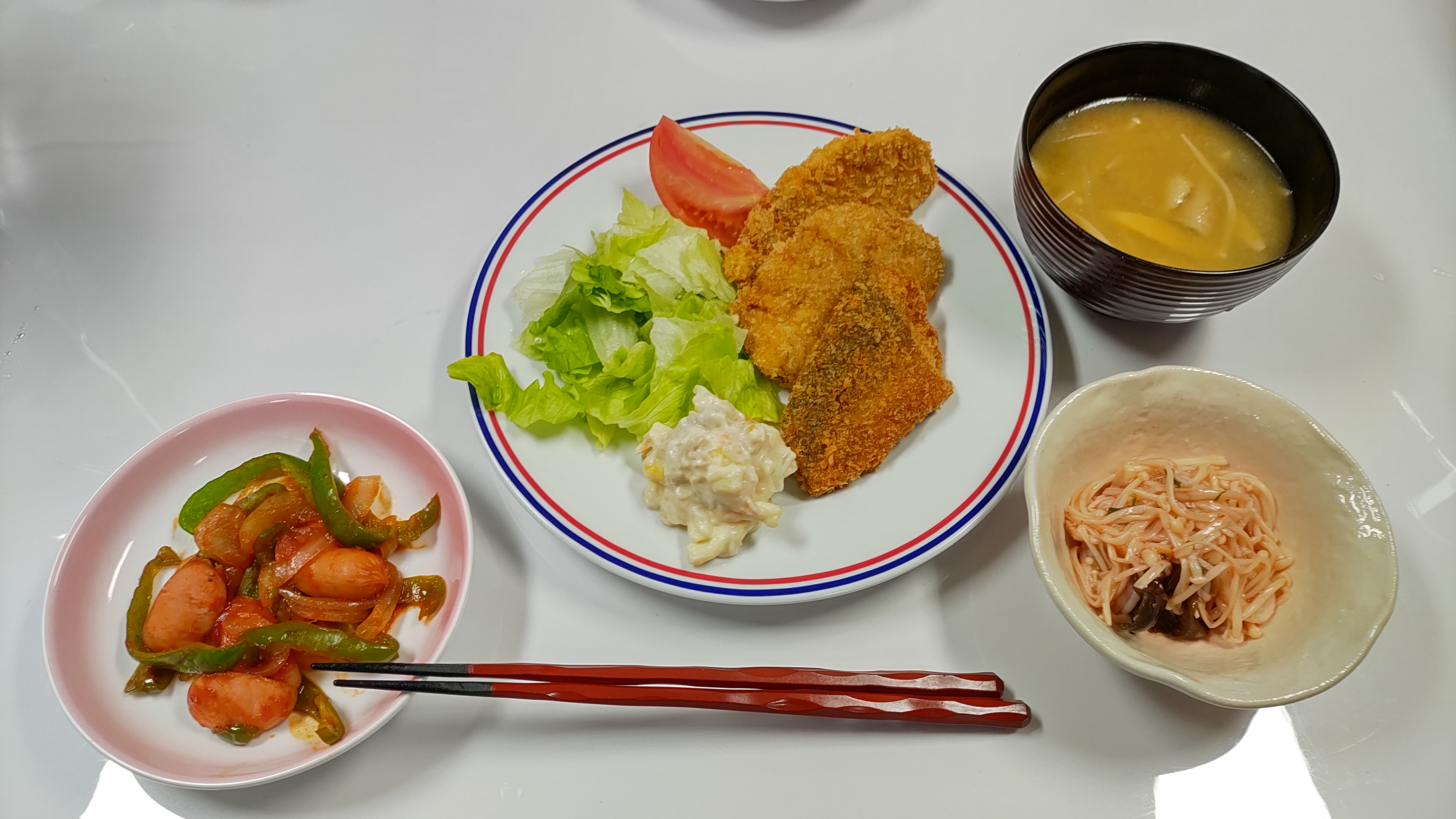
      Chara-kamaboko (character kamaboko) often appears in noodle dishes. (Chara-Kamaboko has been in existence since II.)

    •  

    • The student room (cafeteria) now has a larger table and all 17 students can sit down to eat.

    •   

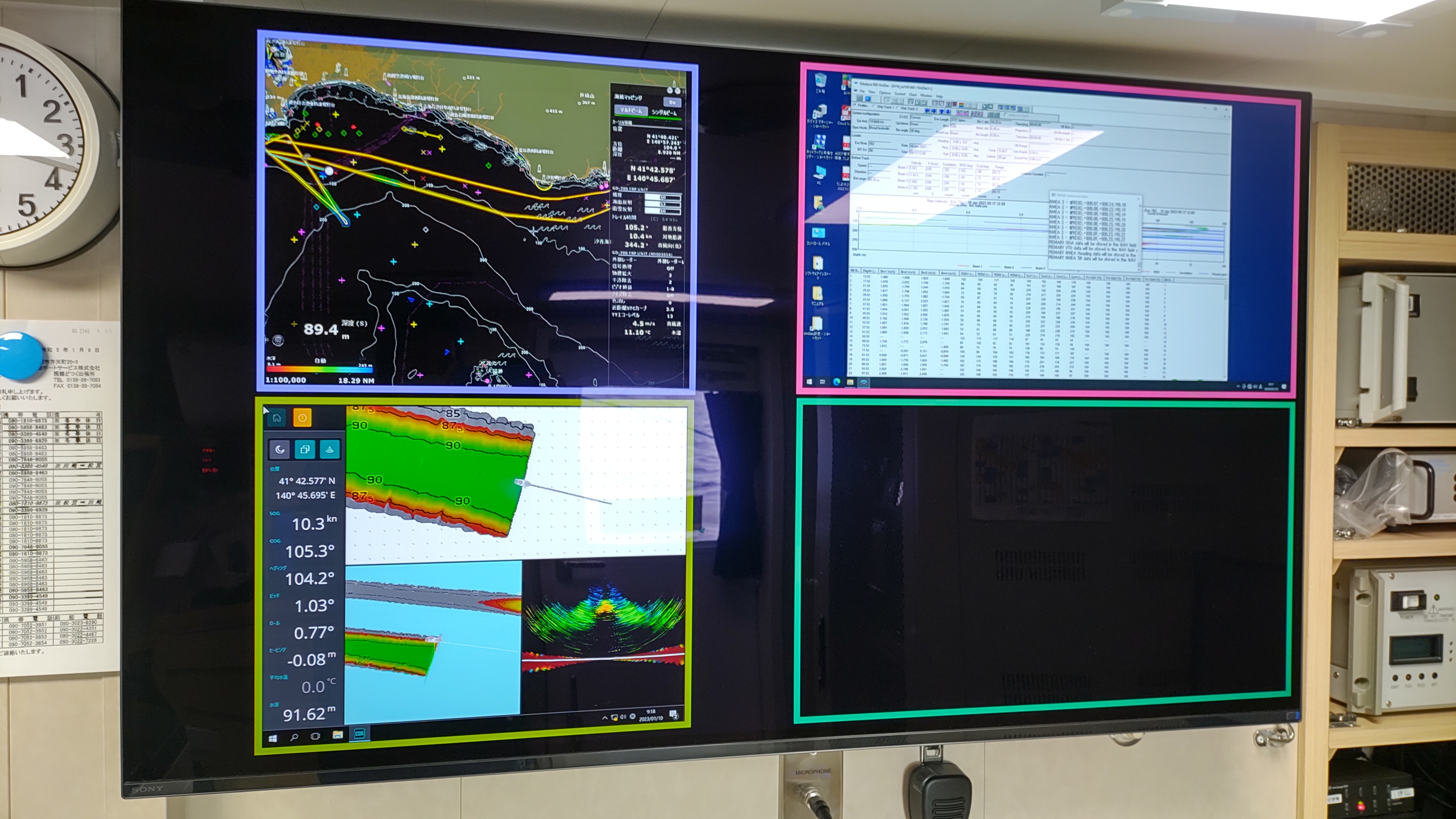
    • Observation monitor compartment located aft of the bridge.

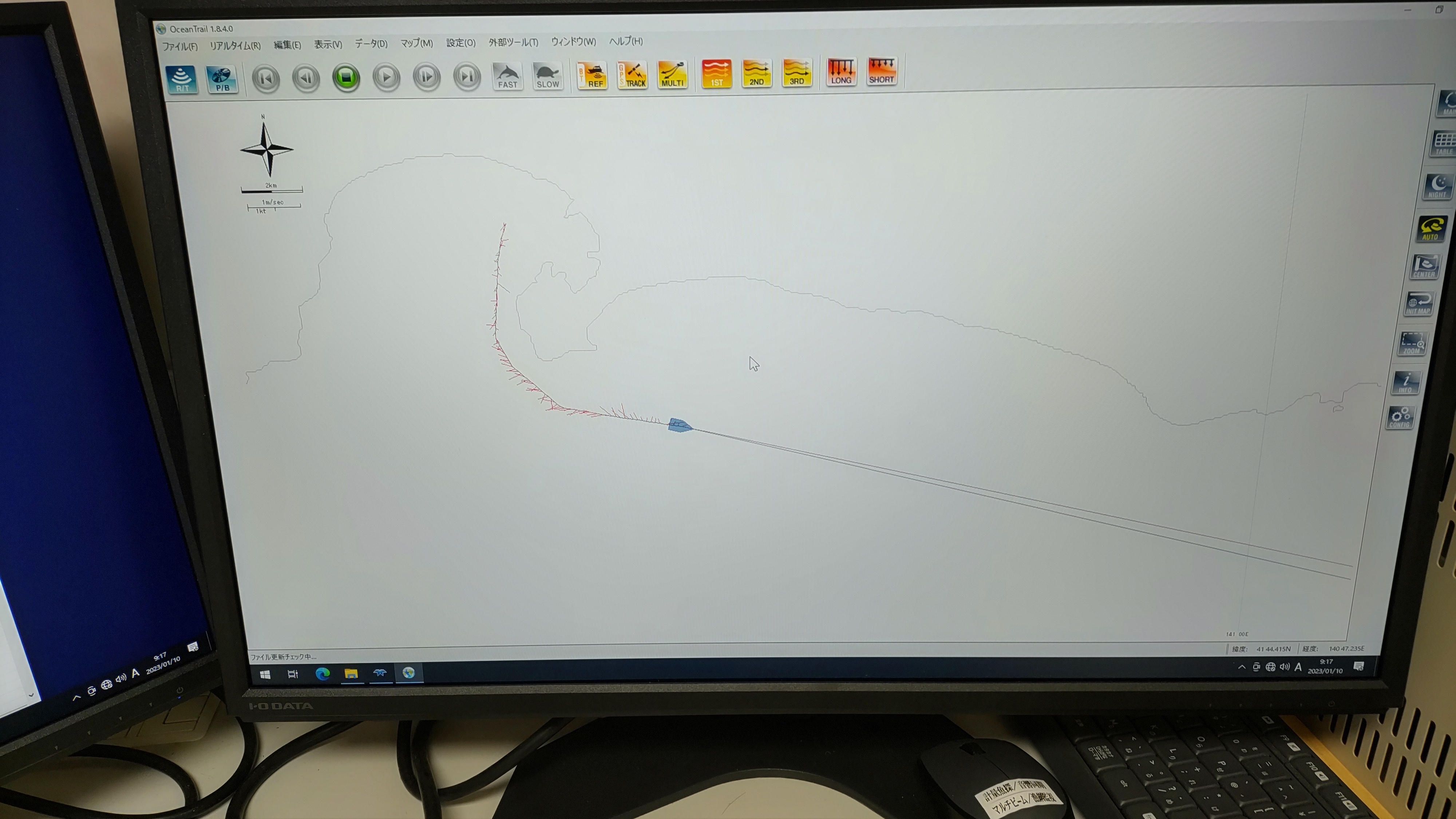
      While cruising, a high-performance sonar monitors bottom-topography. Stratified current velocities by ADCP are also displayed. The Realtime Sea-bird CTD operates from this compartment.
    •   

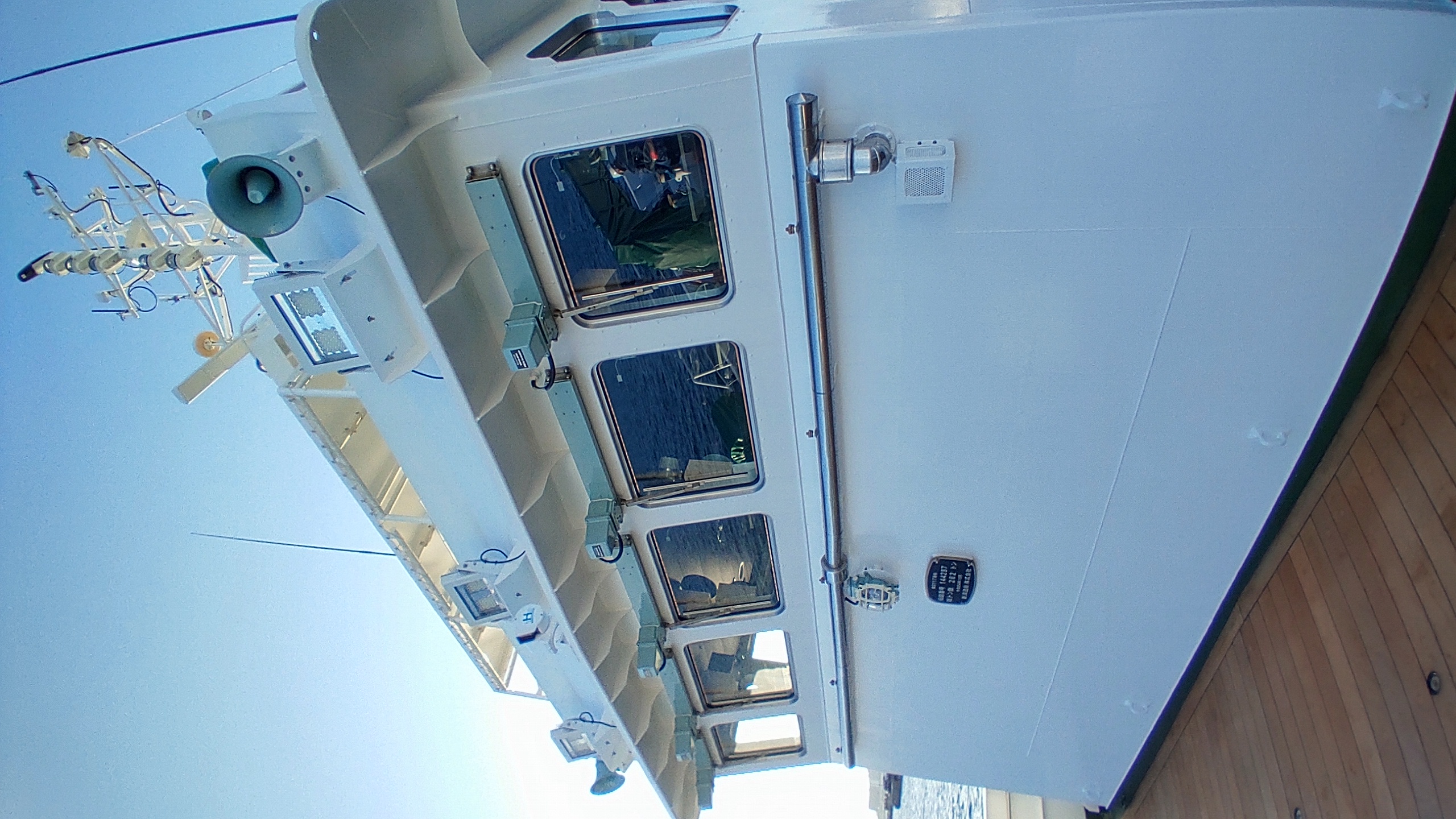
    • 【Bridge】The bridge (wheelhouse) is now spacious.

    • Almost all equipment and fixtures have been replaced with the most up-to-date ones, and the quality of acquired data has improved.

      Stern deck area has been approximately doubled and the wheelhouse area has been expanded by three times. The hallway, which was previously impossible to pass each other, is now wider.

    •     


    • Departure from Hakodate Port. T/S Oshoro-maru V will see you off.

    •  

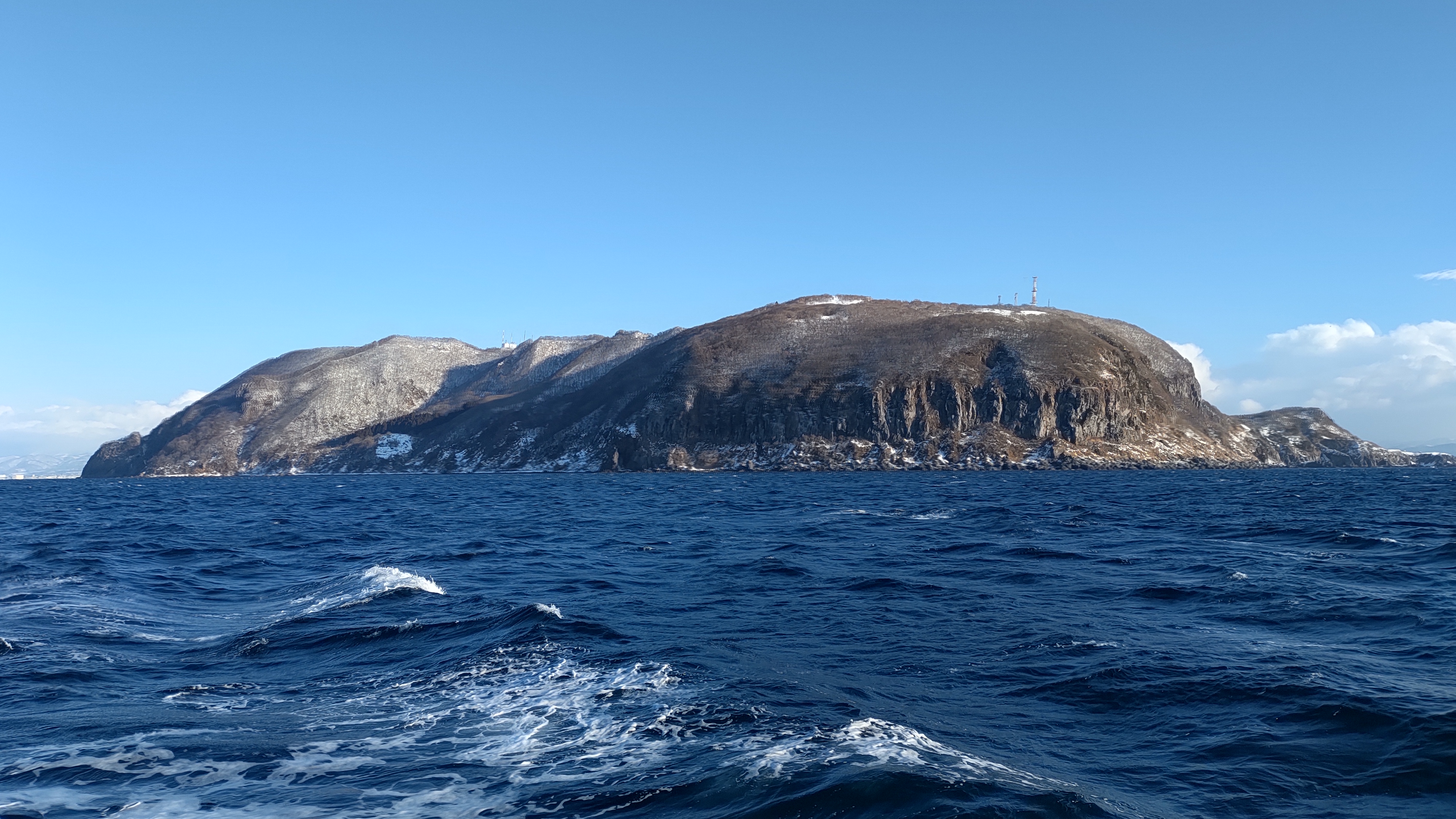
    • On the morning of January 10, T/S Ushio-maru III departed from Hakodate and as soon as she changed course in the direction of Muroran after circled around Mt. Esan. The wind speed exceeded 15 m/sec immediately and the waves became high, so she turned back to anchorage off Hakodate Port.

      The maximum tilt angle for rolling was about 15 degrees; In the II, it would have tilted 25 degrees, so we were able to feel that the vessel III was more weather resistant and less prone to seasickness.

      On the following day, the 11th, she heaved her anchor at M.N. (midnight) and head to Funka Bay for the scheduled mooring system installation in the bay, oceanographic observation and sampling water, mud, and plankton and fish eggs and larvae.

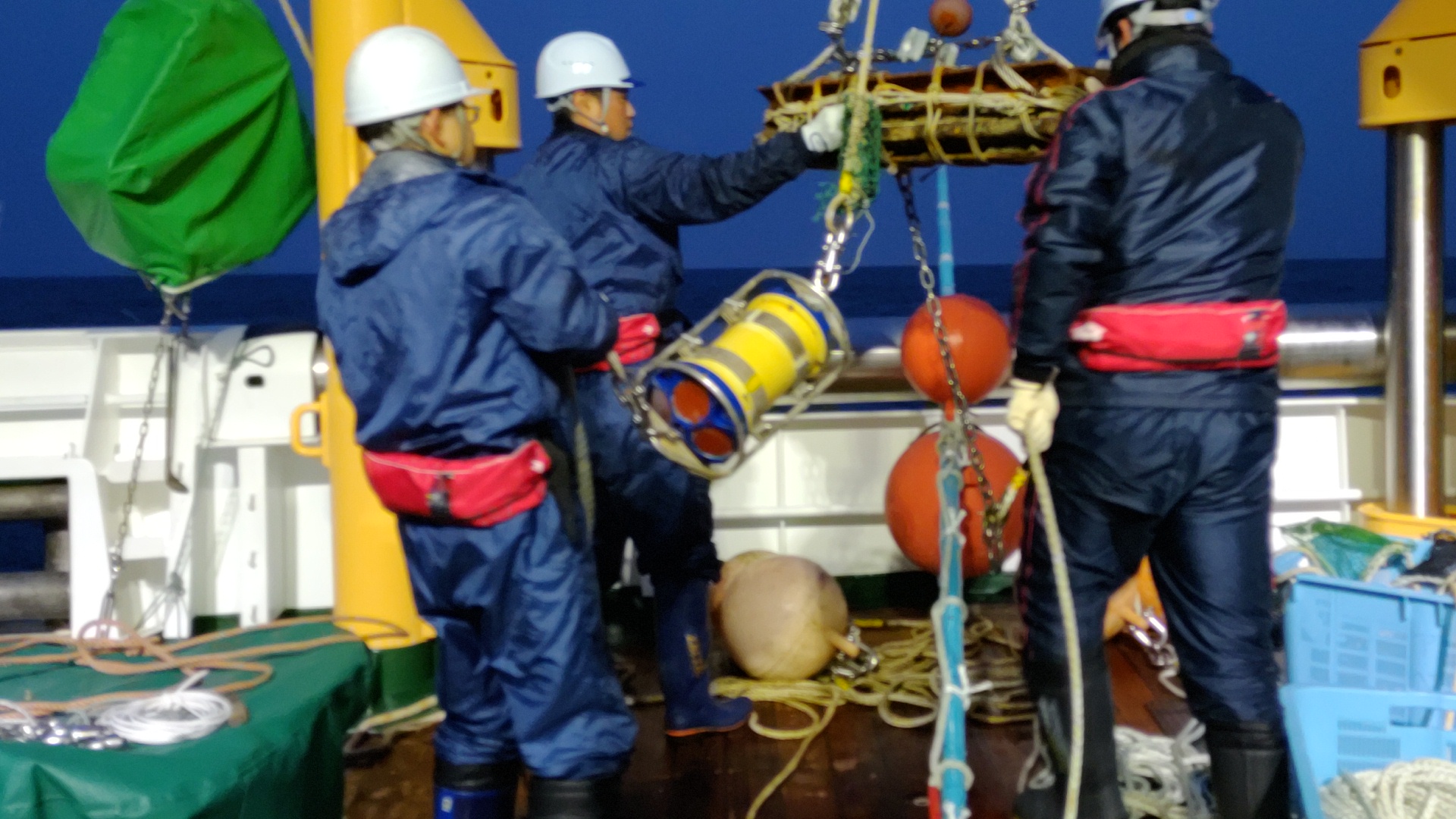
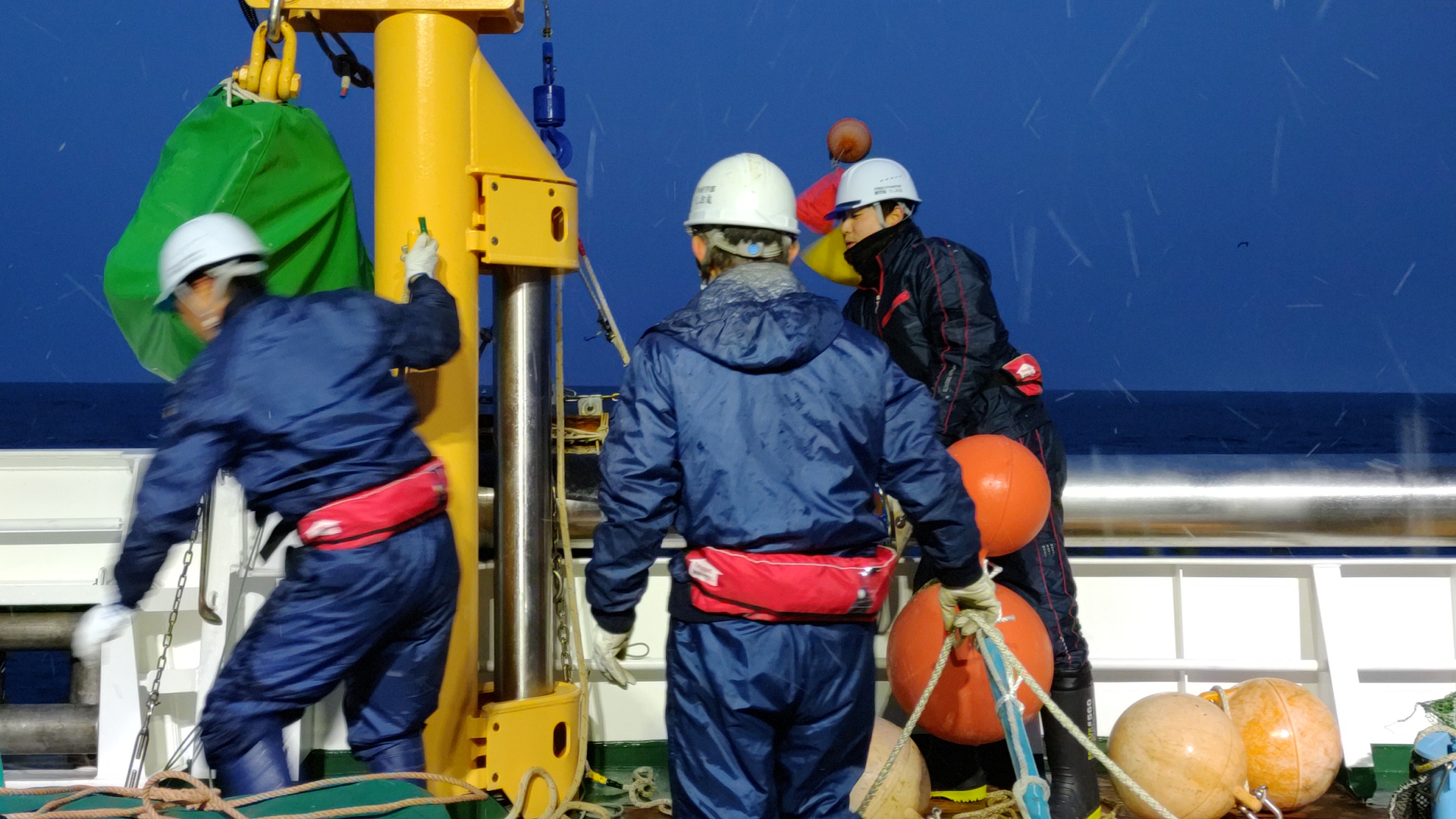
    • 【Installation of mooring system】

    •    

    •  


    •   

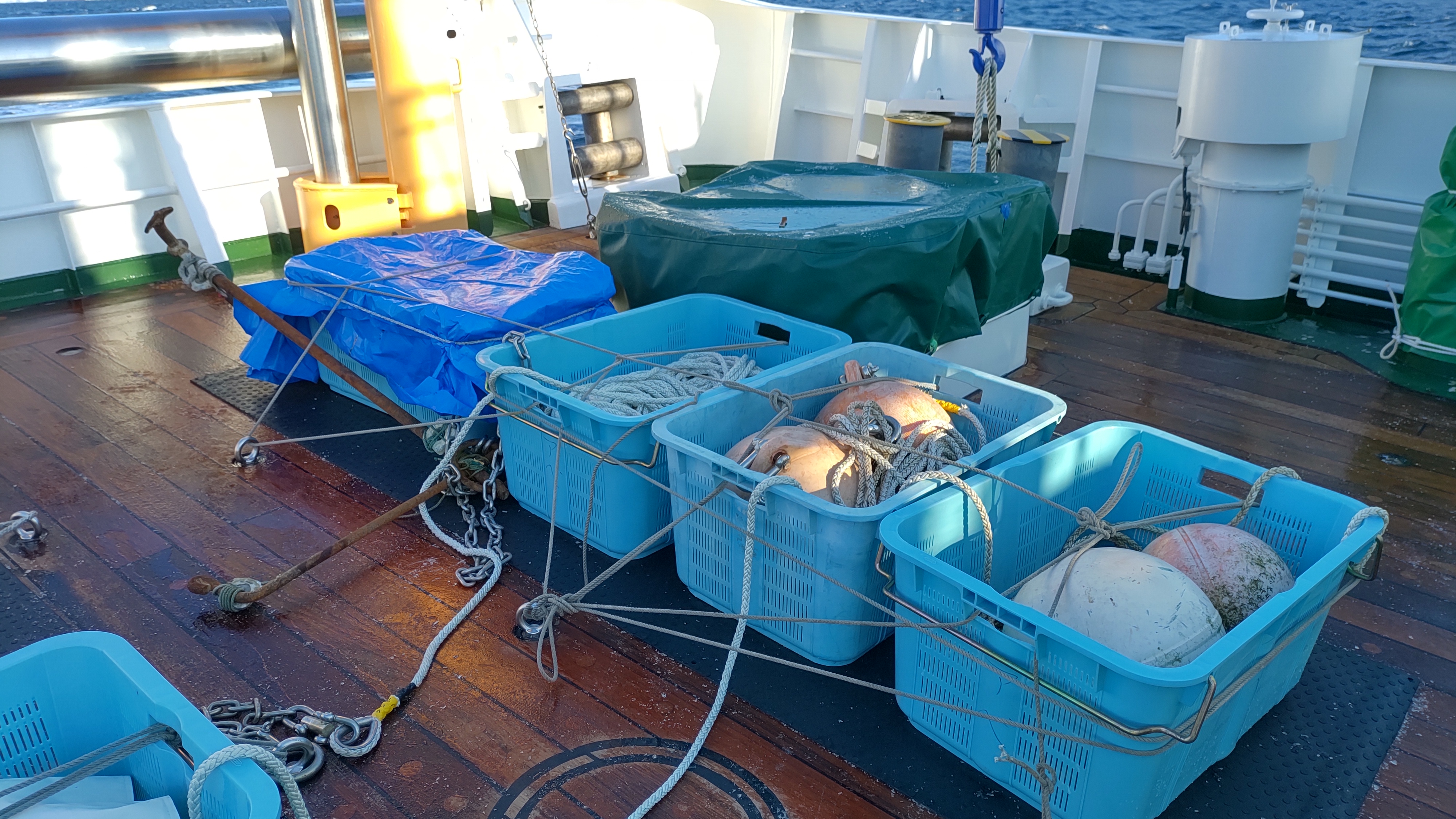
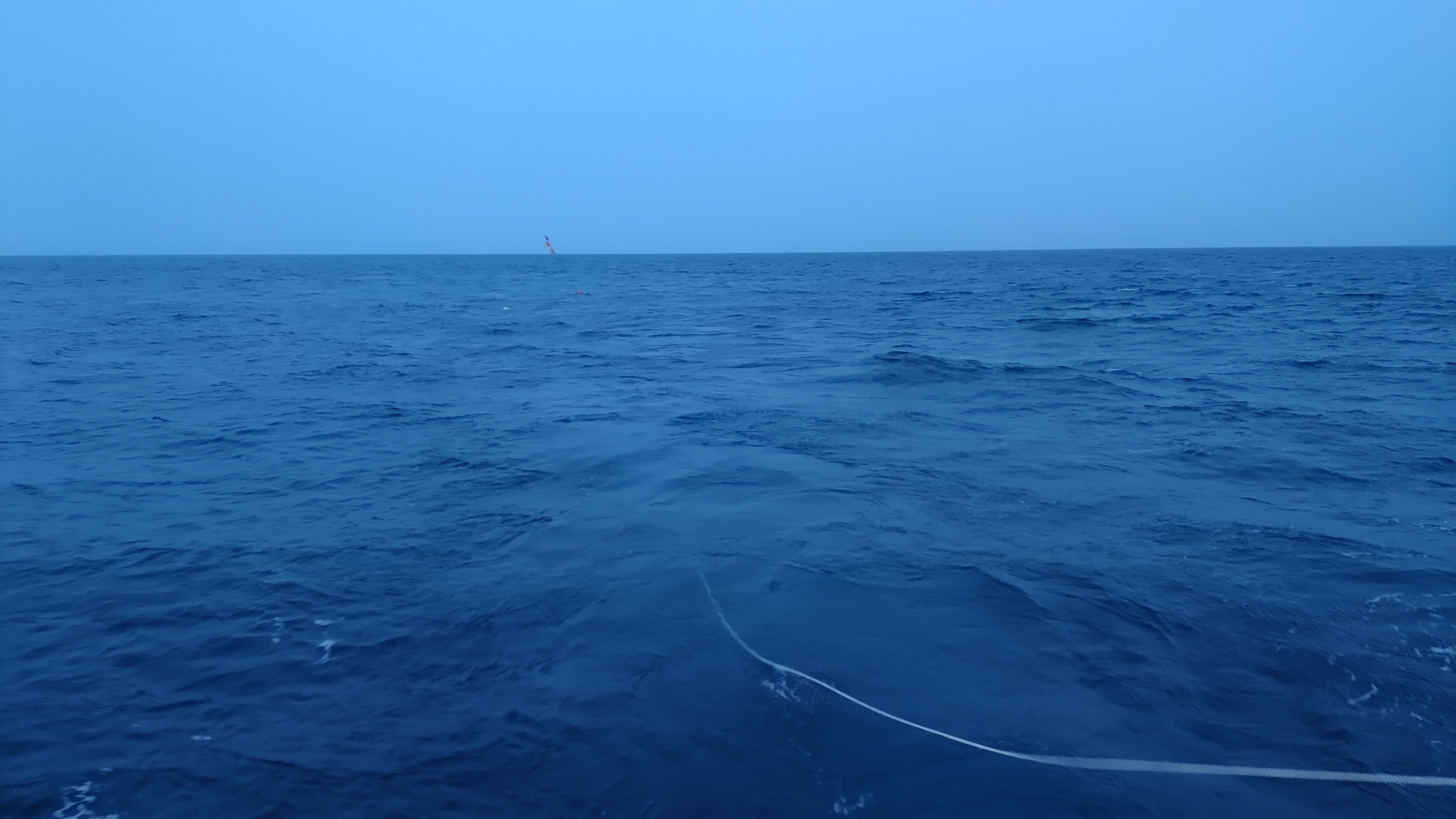
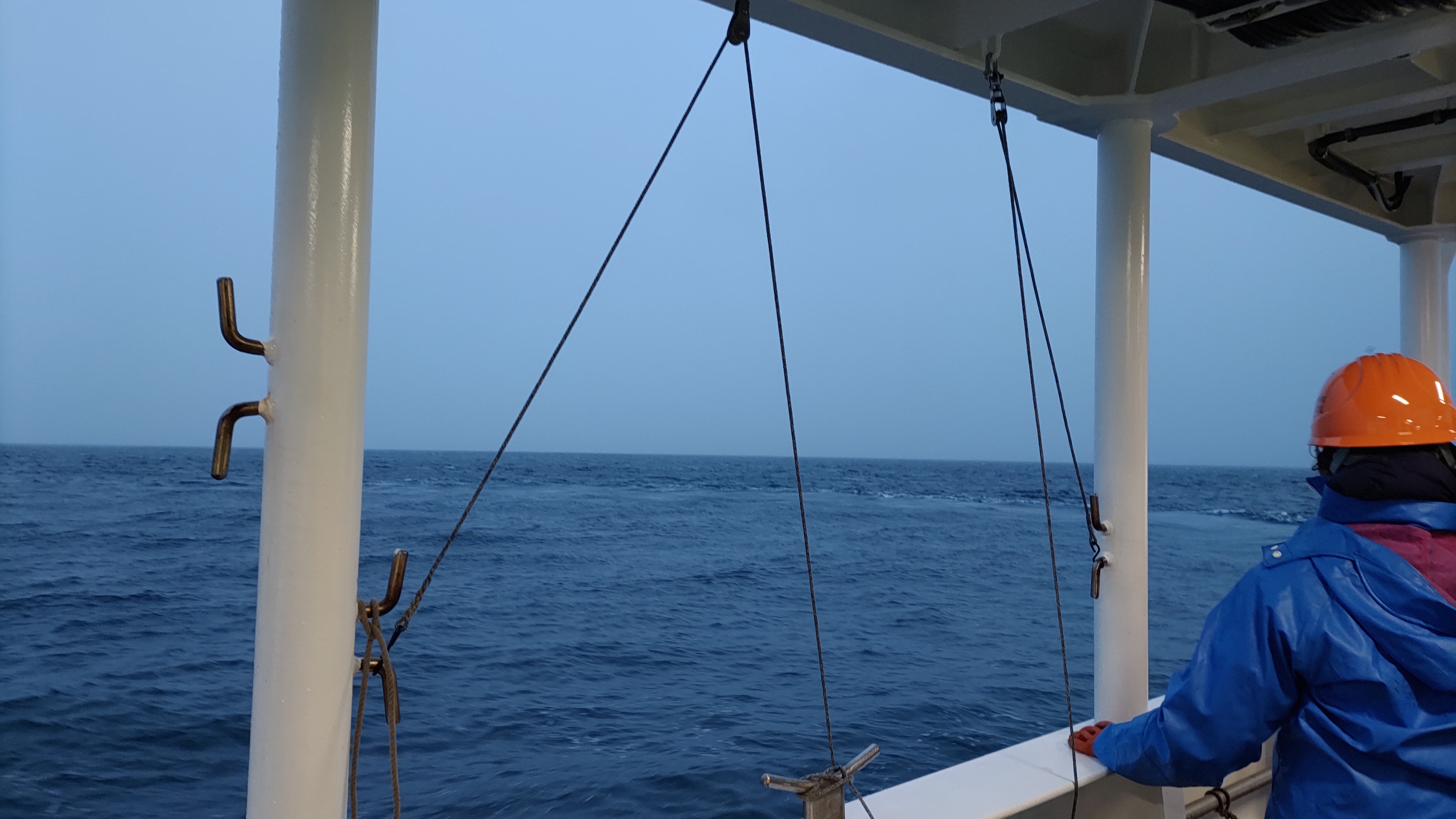
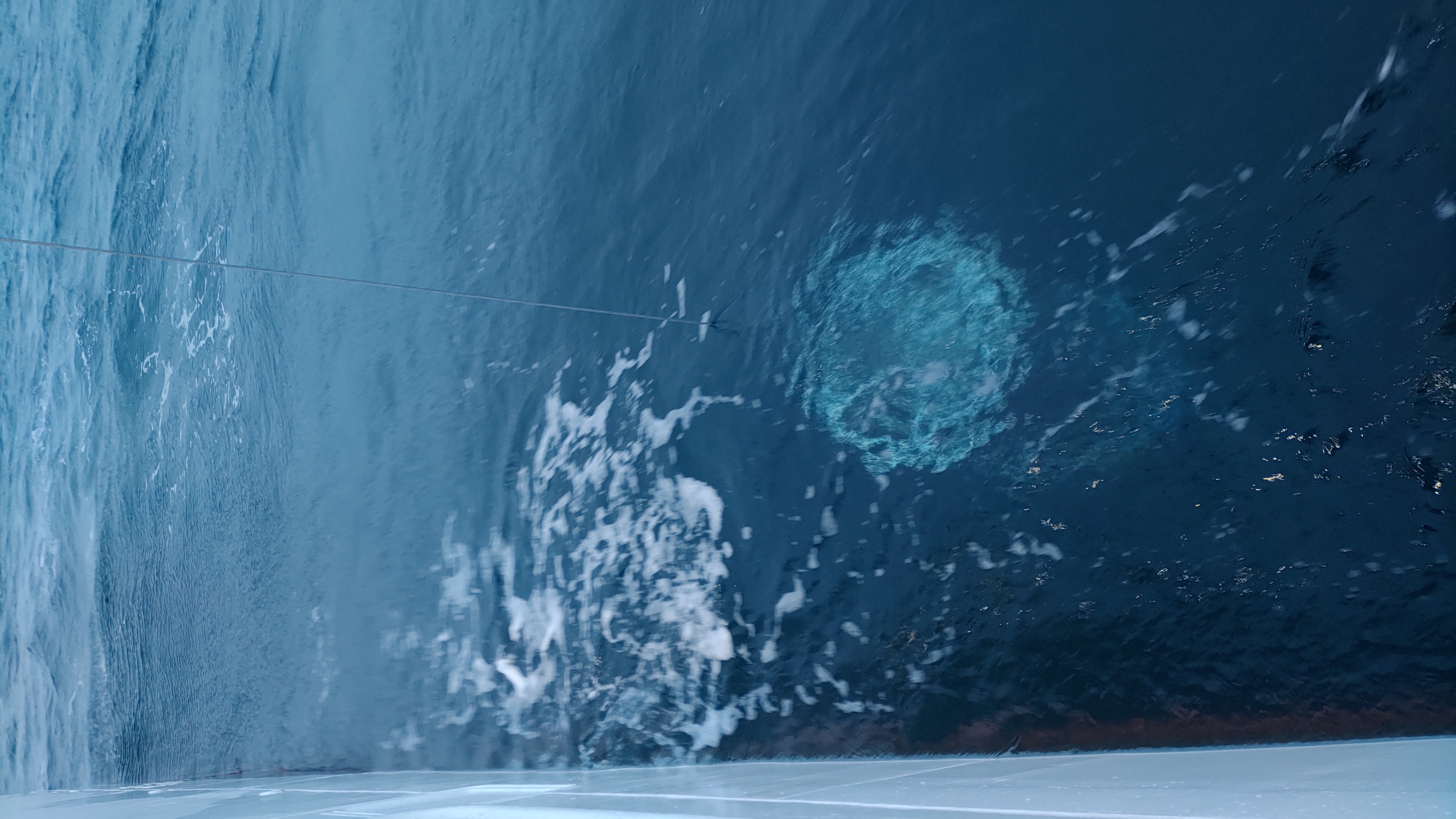
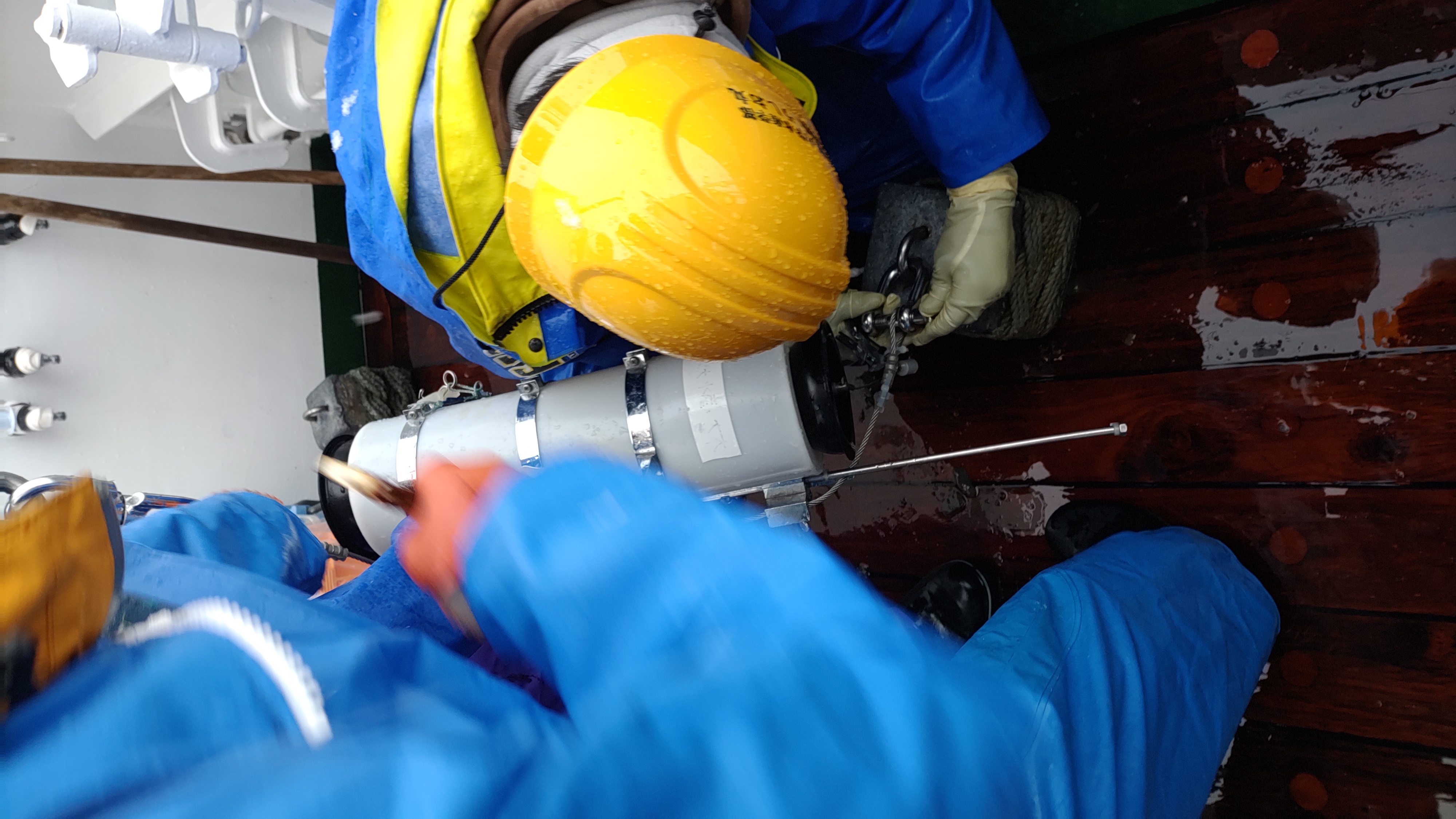
    • Sensors for water temperature, salinity, and oxygen monitoring, and current direction and velocity meters will be installed on the seafloor near the center of Funka Bay (Station #30). Collection and installation is done every two months.

    • 【The Sea-bird CTD Observation】

    •   

    •    

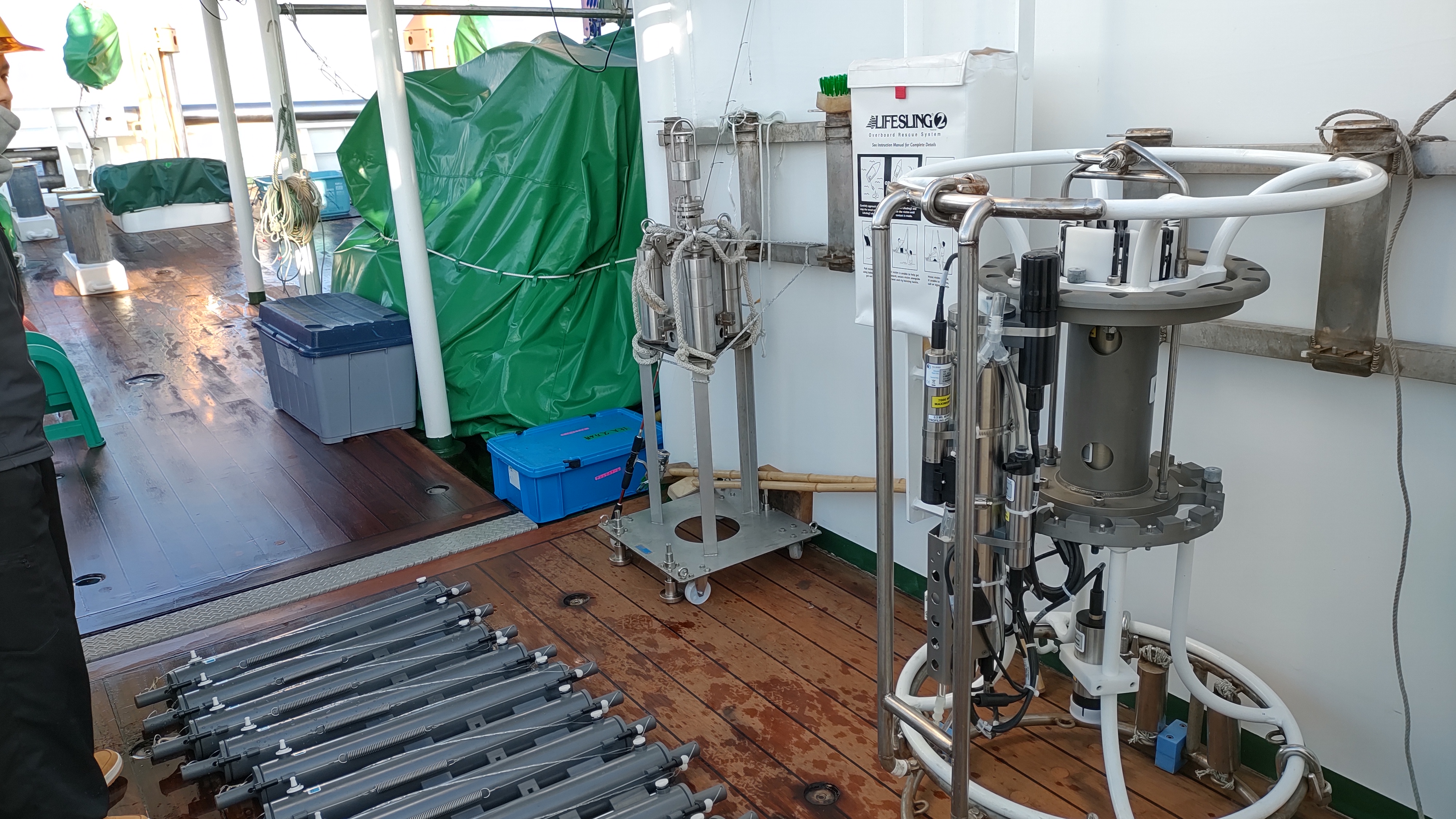
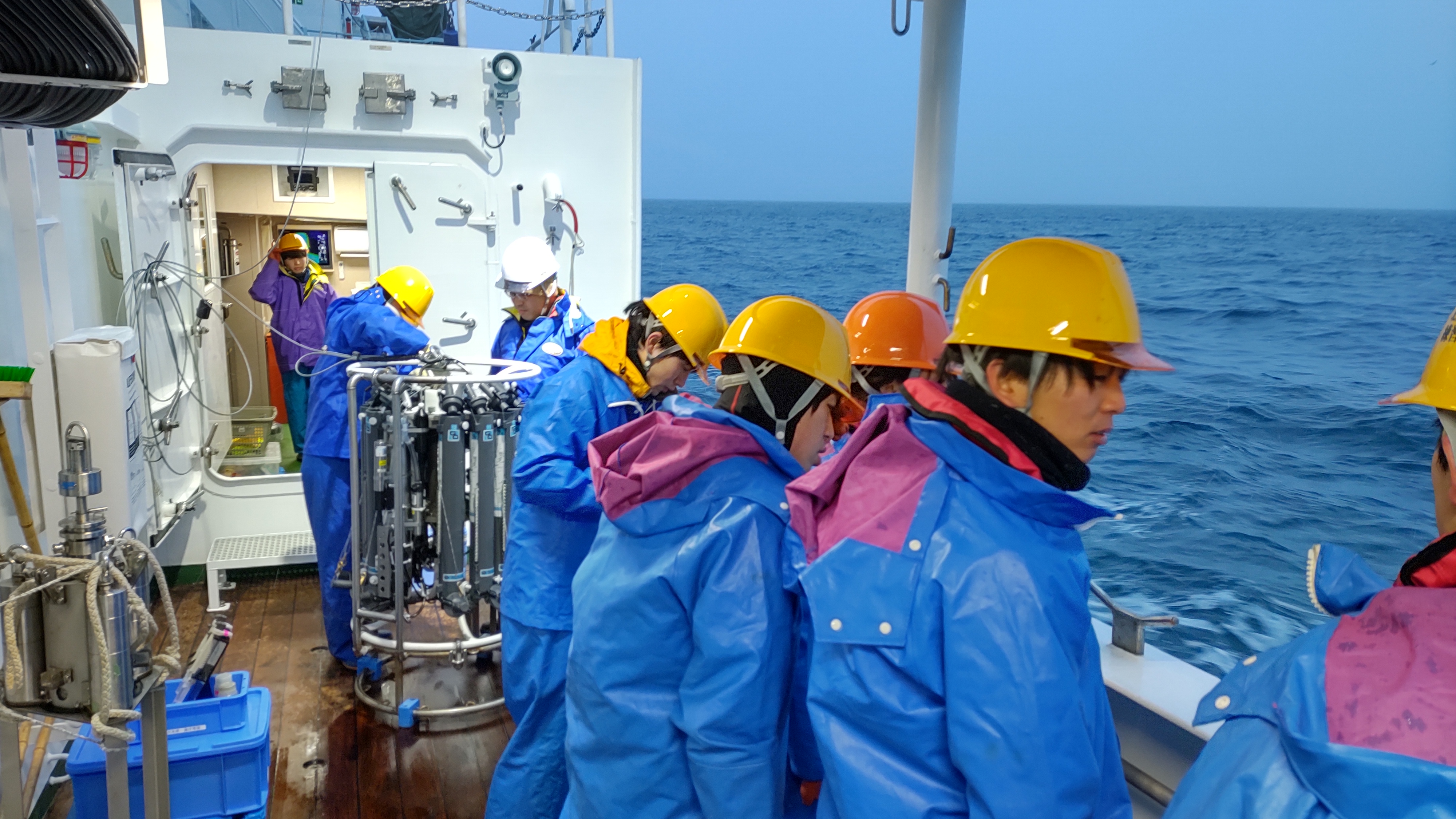
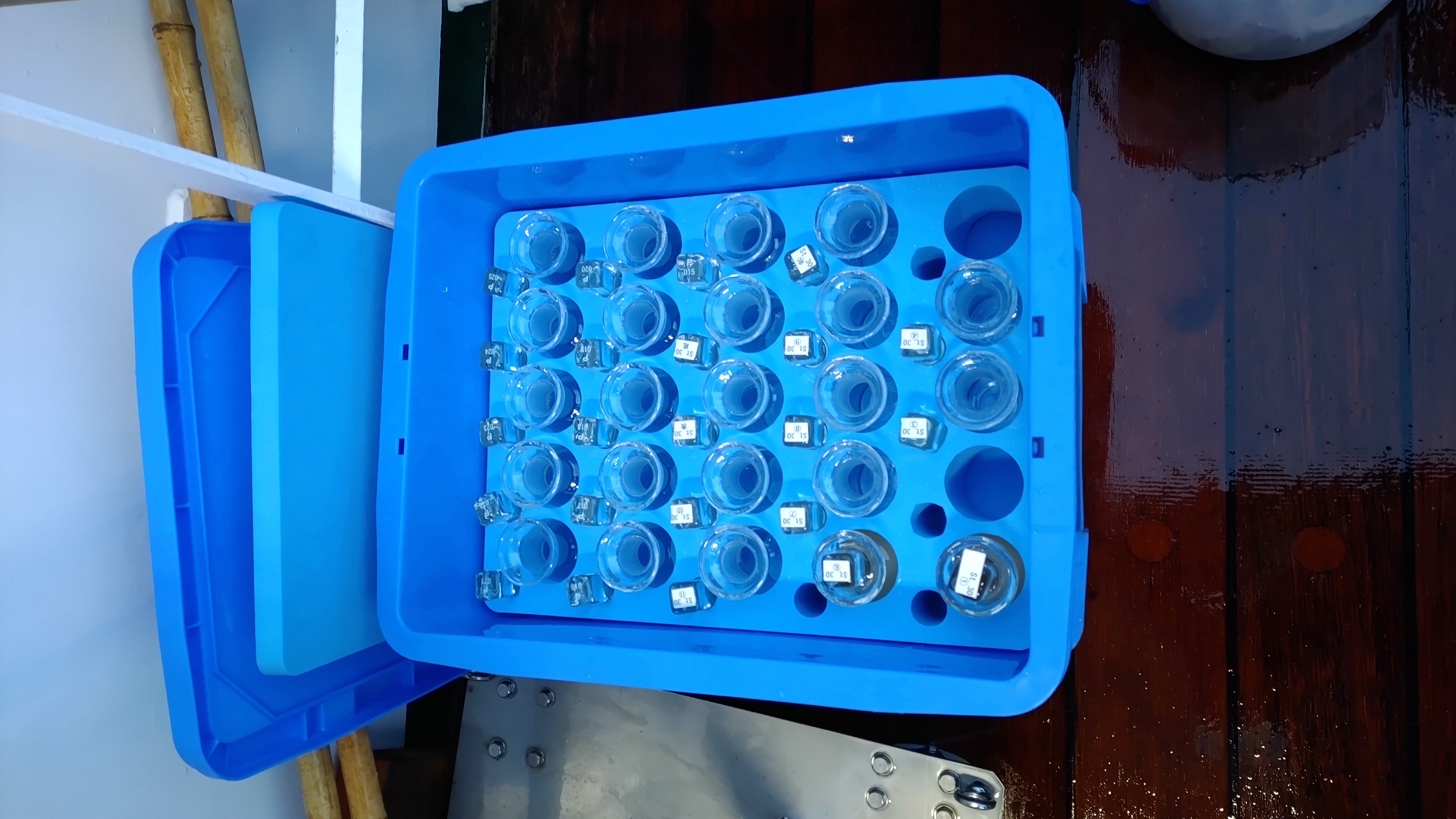
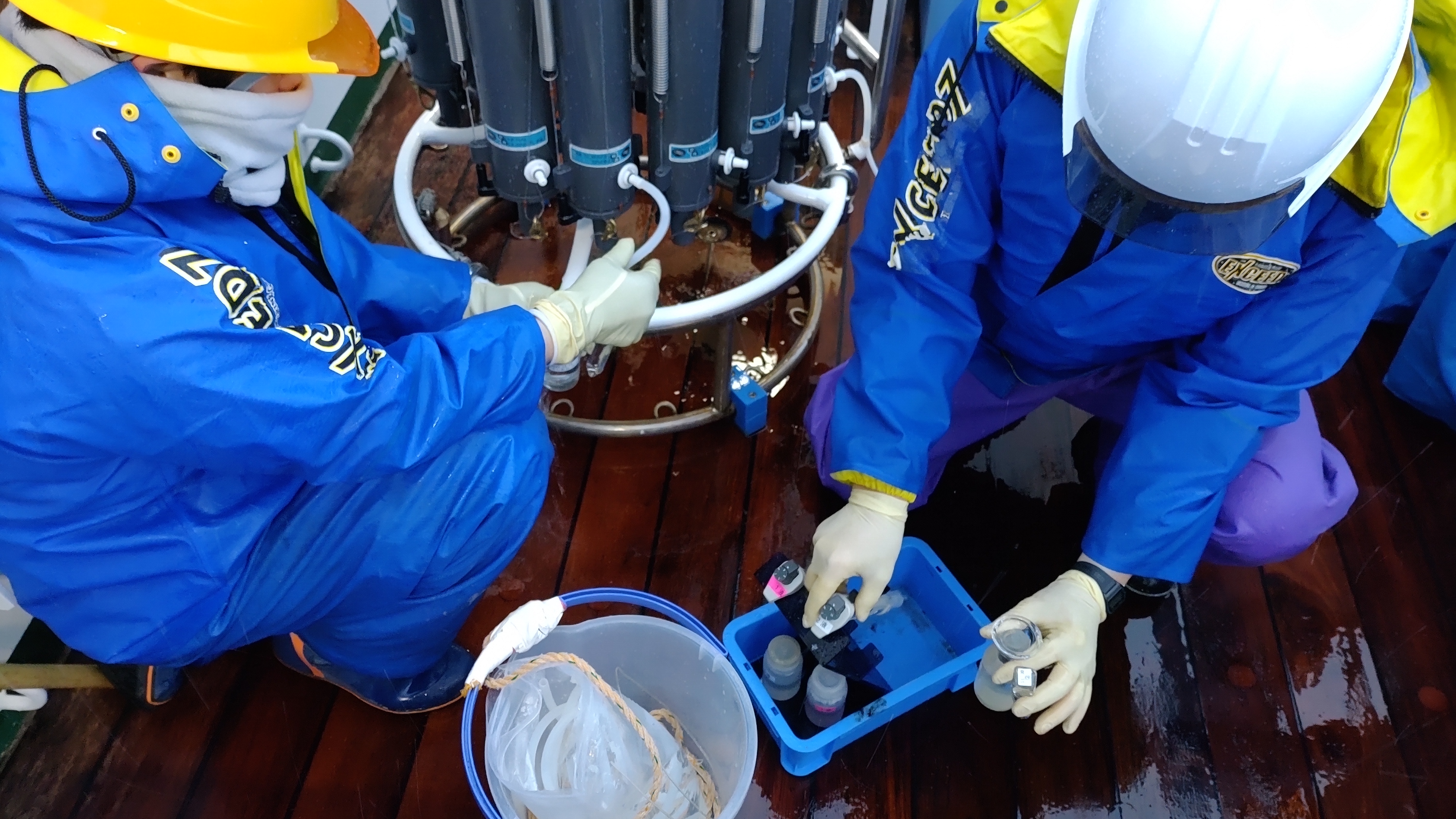
    • Sea-bird CTD-RMS observations are made by sampling and measuring seawater at various depths. We directly measure water temperature, salinity, dissolved oxygen concentration, irradiance, and turbidity in seawater on site. The collected seawater is later brought back to the laboratory for analysis of chlorophyll-a concentration, nutrient concentrations, and other parameters.

    •  


    •   

    • 【Collection of zooplankton with a NORPAC net and fish eggs and larvae with a ring net (80 cm diameter)

    •  


    • 【ASYURA core sampler for mud sampling】

    •    

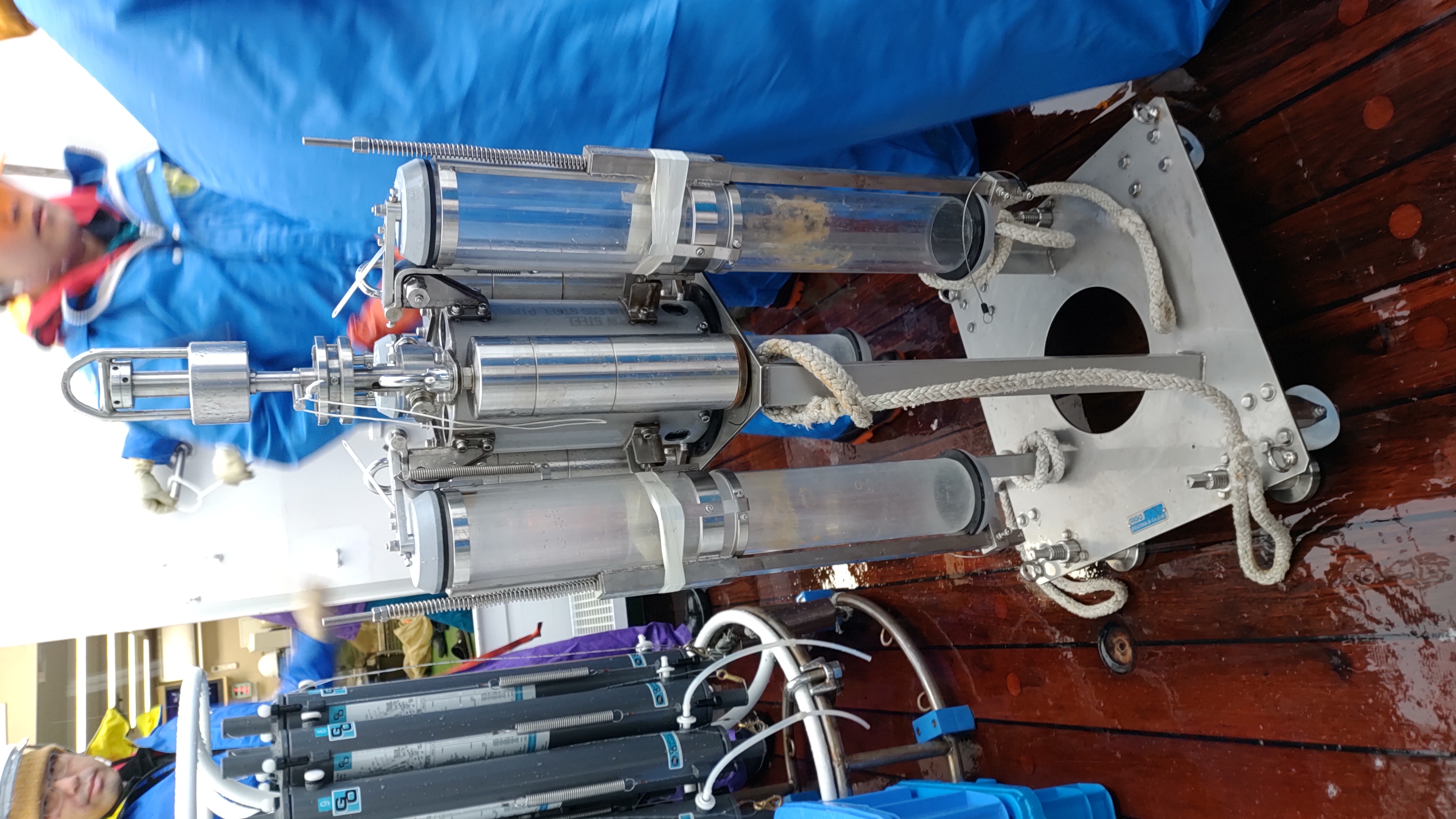
    • ASYURA core sampler for collecting columnar samples of marine sediments.

    •  


    • Monitoring bottom topography with a multibeam sonar

      (Related course: https://repun-app.fish.hokudai.ac.jp/course/view.php?id=1211)


    • Mooring system installation in the bay, oceanographic observation and sampling water, mud, and plankton and fish eggs and larvae were all conducted, and the ship returned to Hakodate Port on the 13th.

      The morning sun is sinking in my eyes.

    • Trainig Ship