
Antarctic research in practice(Observation team member contribution series)
Section outline
-
-
I (Iwamoto) am currently living in Showa Station in Antarctica as a wintering member of the 63rd Antarctic Research Expedition. I left Japan on November 10, 2021, and arrived at Showa Station 39 days later on December 19, 2021. They have been away from Japan for about 6 months and at Showa Station for 5 months.
The Antarctic Regional Observation Expedition consists of a summer expedition and a winter expedition. The Summer Expedition leaves Japan in November to work in Antarctica during the summer season (in the Southern Hemisphere, so the seasons are opposite to those in Japan), returning to Japan in late March. On the other hand, the wintering party goes to Antarctica with the summer party, but stays in Antarctica after the summer is over and returns home with the summer party the following year. The summer expedition will be away from Japan for only about four months, while the winter expedition will be away from Japan for one year and four months.
Although the Antarctic Regional Observation Expedition is based at Showa Station, this base is actually not located on the Antarctic Continent, but on East Ongul Island, across a strait about 4 km wide. It is located at 69 degrees 00 minutes 19 seconds south latitude and 39 degrees 34 minutes 52 seconds east longitude, approximately 14,000 km away from Japan. There is a time difference of 6 hours from Japan.
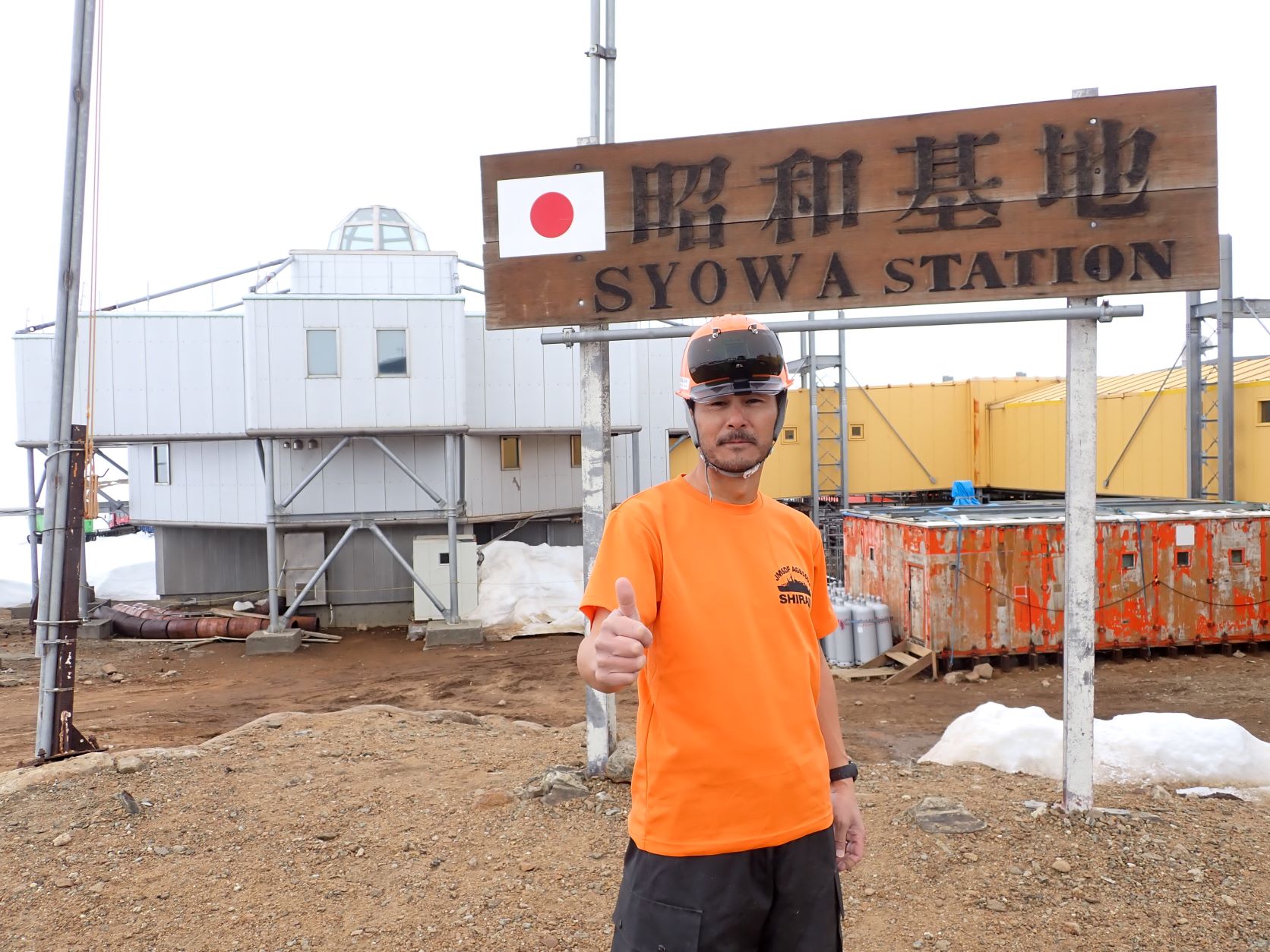
(Listing courtesy of the National Institute of Polar Research)
-
-
-
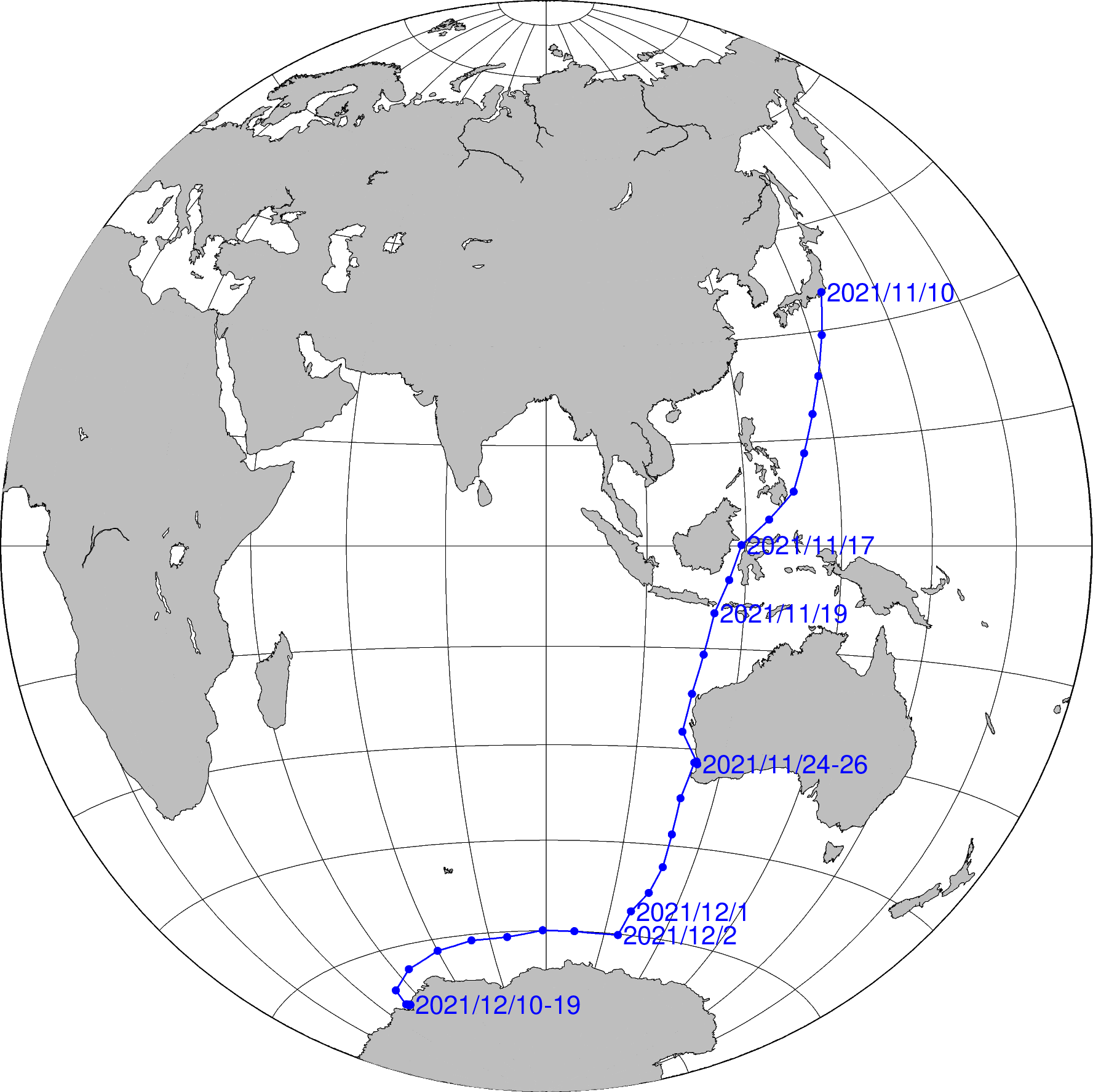
Course to Antarctica
-
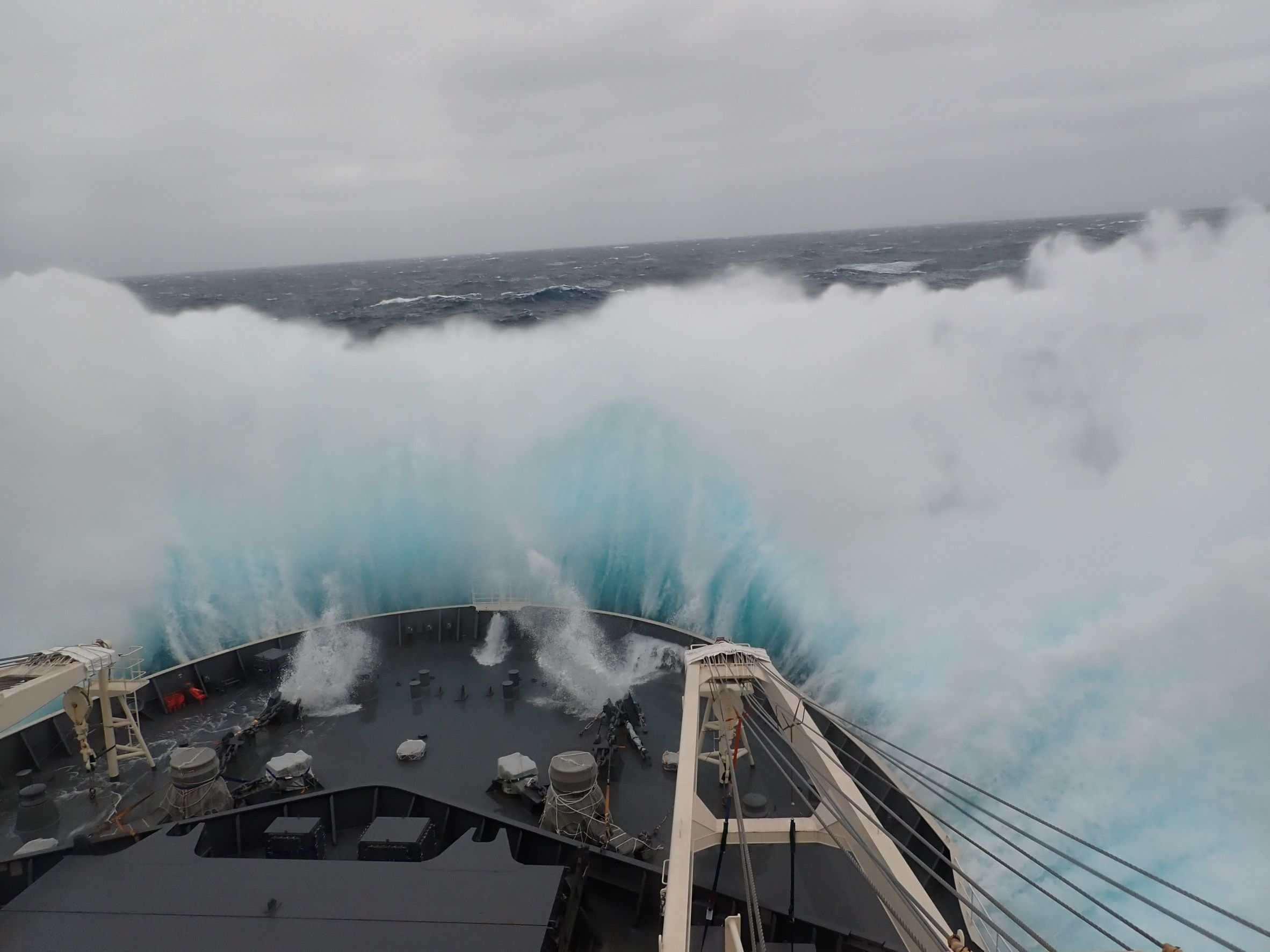
"SHIRASE" moving through the Antarctic storm zone
-
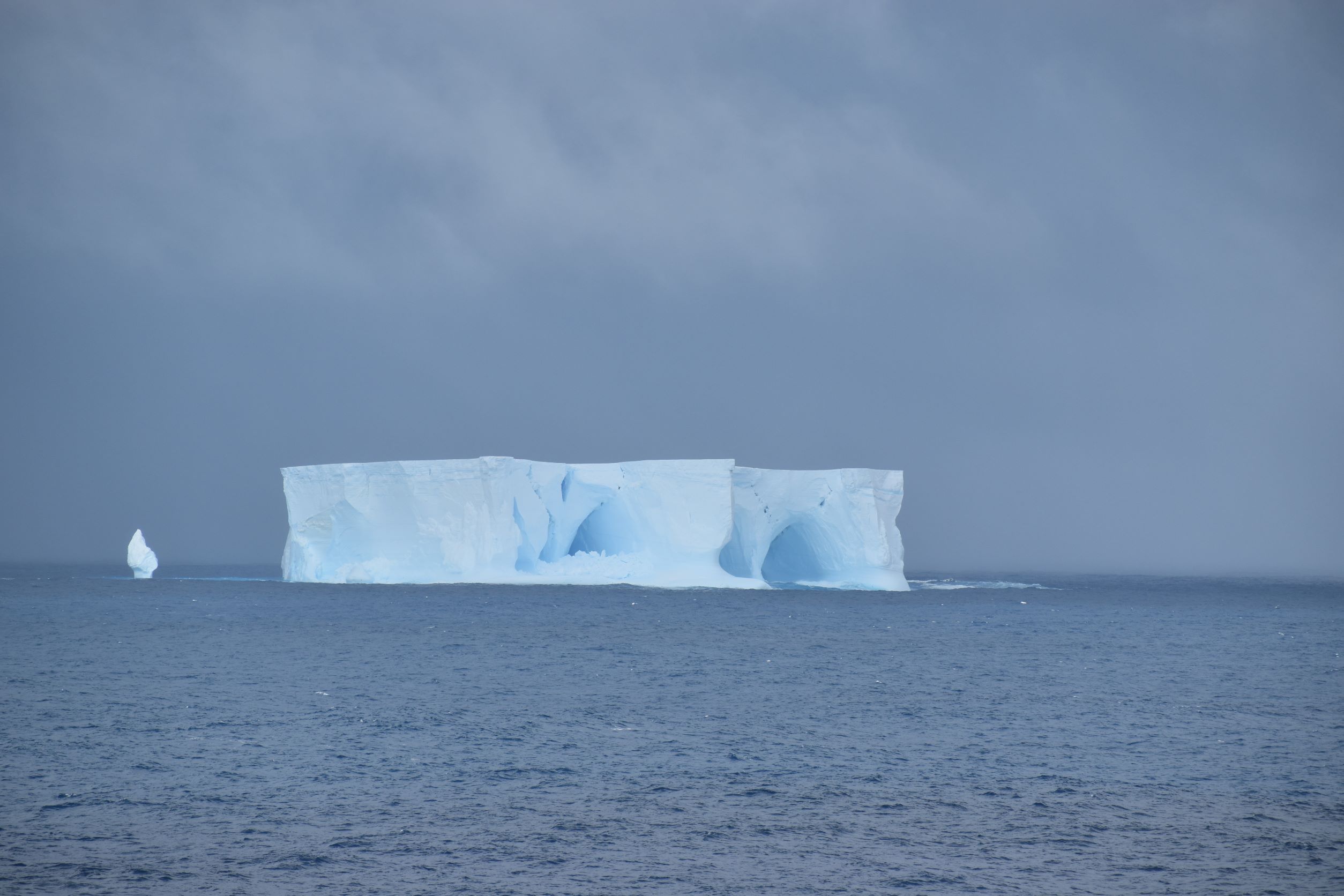
Iceberg first sighted at 60°10.8' S, 110°15.1' E
-
-
When Shirase arrived at Showa Station in mid-December 2021, it was summer in Antarctica in the southern hemisphere. Generally, most people think of Antarctica as a white world covered with snow and ice, but Showa Station in summer is completely different. It is not unusual for the temperature to reach positive, and the world is brown with exposed soil and bedrock. Although there is still some snow on the ground, the melting snow creates streams and a spring-like atmosphere in the snow country.
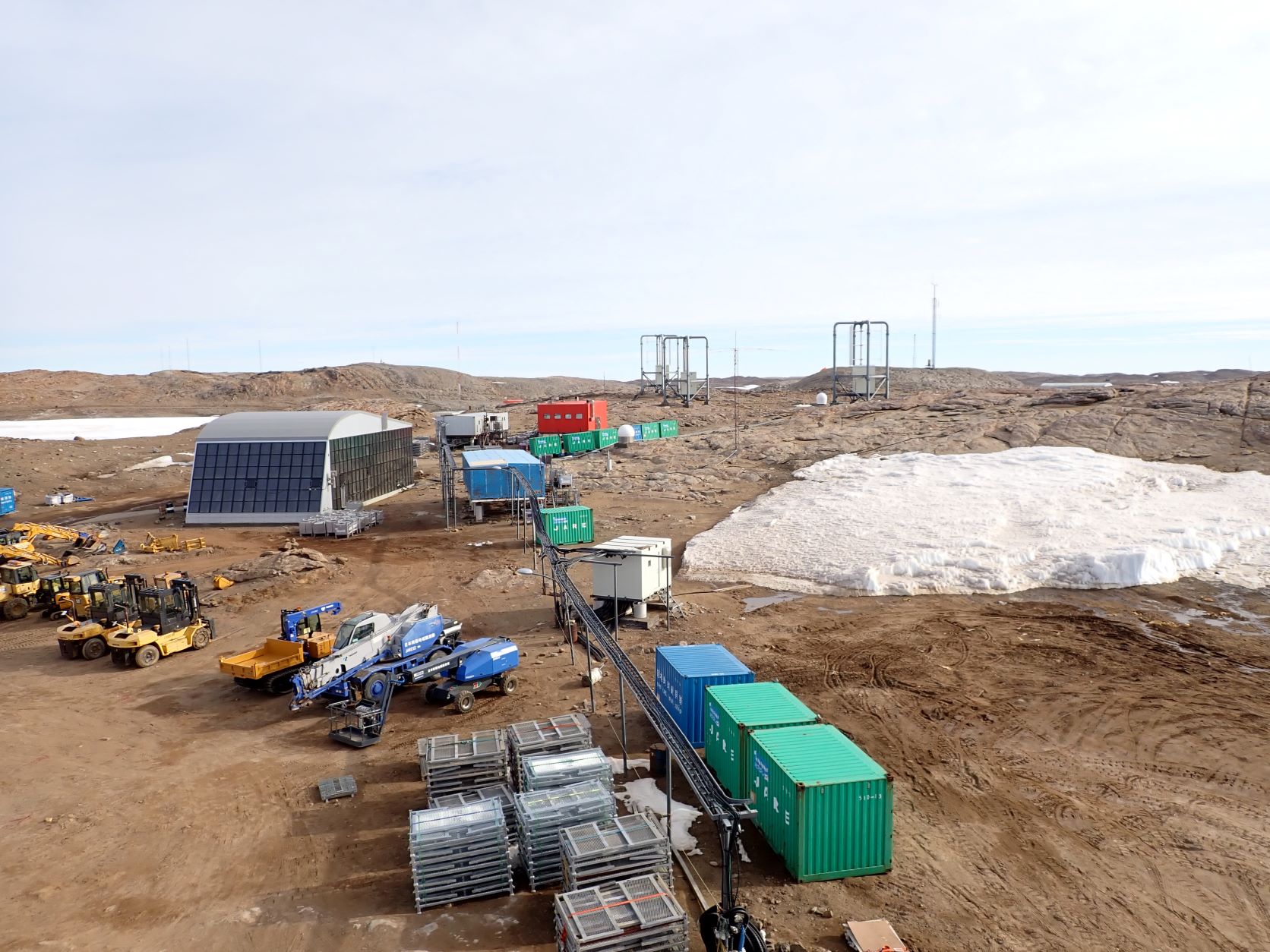
Showa Base in Summer
During this period, the base becomes the busiest of the year as the summer and wintering parties of Expedition 63, the wintering party of Expedition 62, and the crew of the Shirase stay at Showa Base to support their work. Heavy machinery and trucks are constantly on the move, making Showa Station look like a construction site. Many of these tasks are performed jointly by the specialists and other available members of the team. Although I am a member of the team whose main work is observation, I was able to experience a variety of unusual tasks, such as building demolition and removal of bedrock. However, during this time of the year, it is light at night due to the midnight sun, and we can work until any time of the day, so we need to be careful not to work too much. I worked regardless of weekends, so my body was quite fatigued.
On the other hand, there are also those who leave Showa Station and go out into the field to observe. Especially for summer expedition members, this is their entire time in Antarctica, so it is not unusual for them to spend more time in the field than at the base. Depending on the nature of their observations, they may spend a month or more in camp.
At the end of the summer, the team will begin oceanographic observations aboard the Shirase. Shirase left the coast of Showa Station on January 23, 2022. After that, Shirase will continue its oceanographic observations along the coast of Antarctica and in the Southern Ocean, including Lutzowholm Bay, where Showa Station is located, before heading back to Japan.
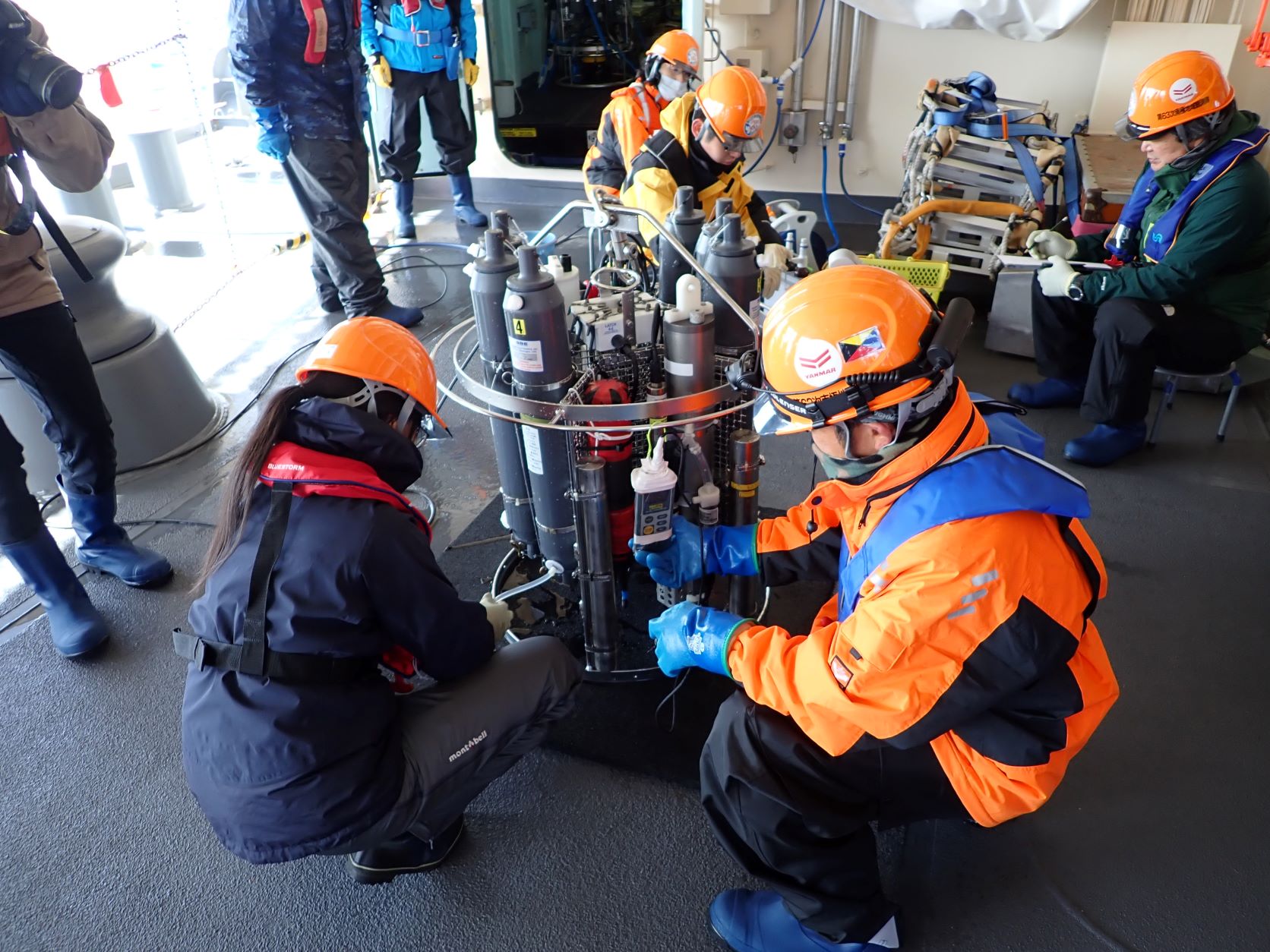
oceanographic observation
The summer period at Showa Base will end in early February, and on February 1, a "wintering changeover ceremony" was held to pass the management of the base from the 62nd to the 63rd wintering party. On this day, many of the 62nd and 63rd wintering and summering crews will leave Showa Station and return to Shirase. Some of them stayed on to continue their work and observations, but after the last helicopter flight to Shirase on February 8, all the remaining crews left the base, leaving only 32 members of the 63rd wintering party at Showa Station.
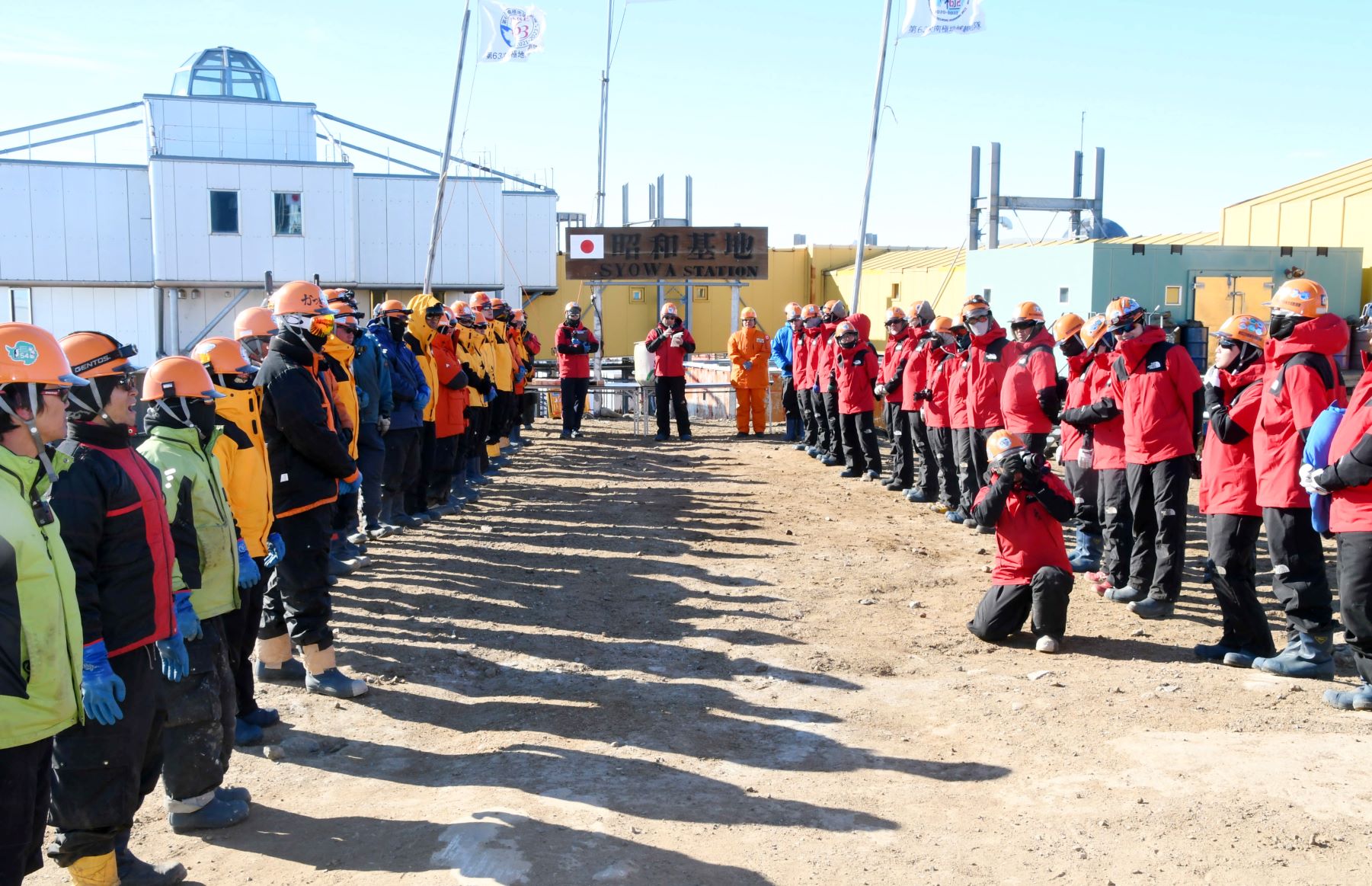
Changeover ceremony for the next wintering party
(Listing courtesy of the National Institute of Polar Research)
-