Dissolved Matter and Suspended Solid
セクションアウトライン
-
-
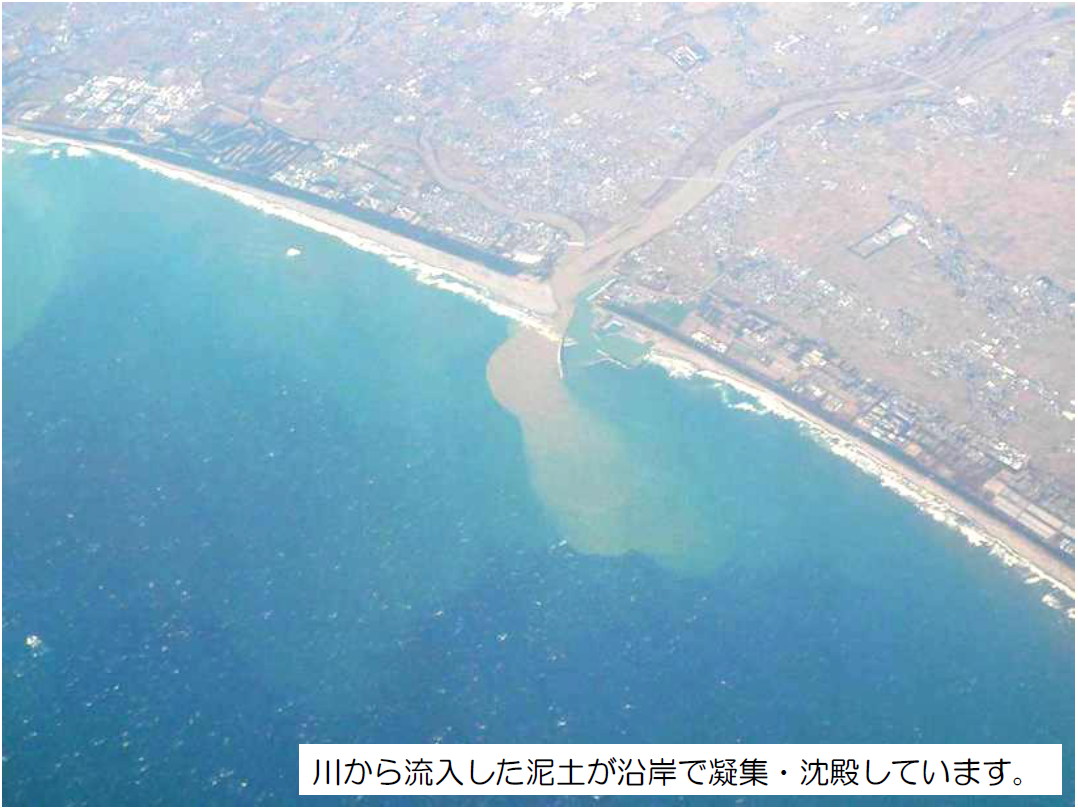
SS aggregates with increasing salt concentration
川から流入した泥土が沿岸で凝集・沈殿しています。
Mud that flows in from the river is coagulating and sedimenting along the coast.
-
Electric double layer that creates repulsive force between SS particles
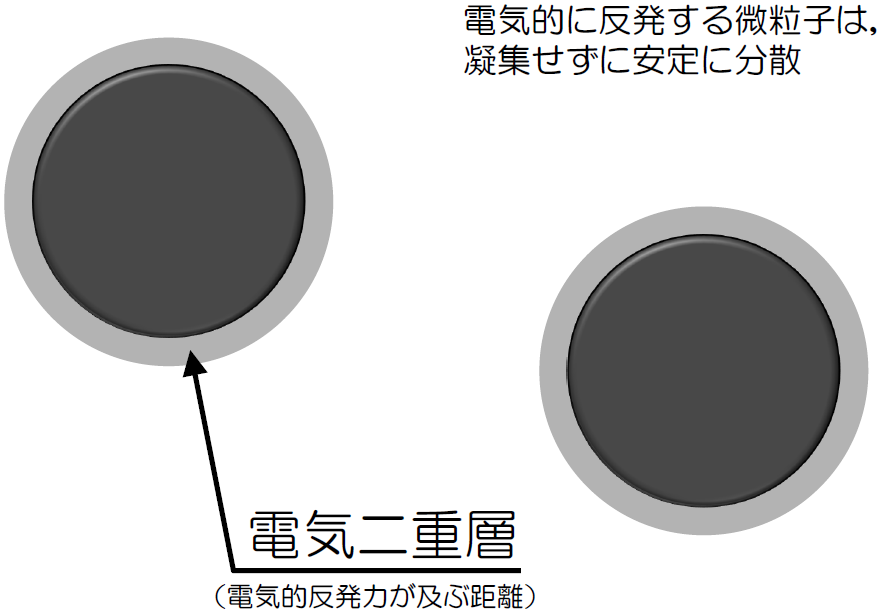
電気的に反発する微粒子は、凝集せずに安定に分散:Electrically repulsive particles are stably dispersed without agglomeration
電気二重層:electric double layer
電気的反発が及ぶ距離:Distance of electrical repulsion
-
surface charge of suspended solids
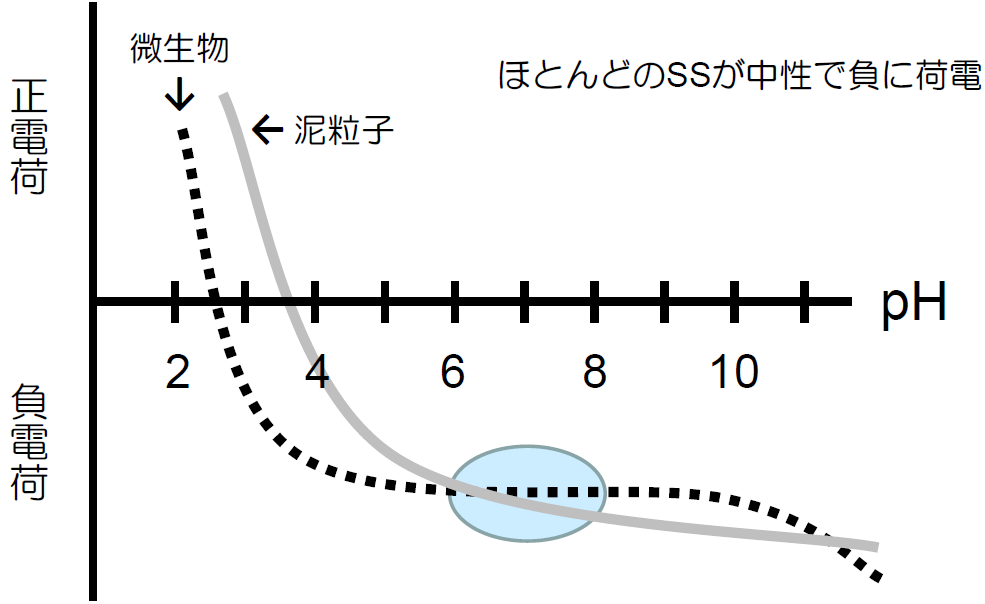
Marshall, Aust. H. Biol. Sci. (1967)
Huang & Lin, Adsorption from aqueous solutions (1981)
正電荷:positive charge 負電荷:negative charge 微生物:microbe 泥粒子:biofluid
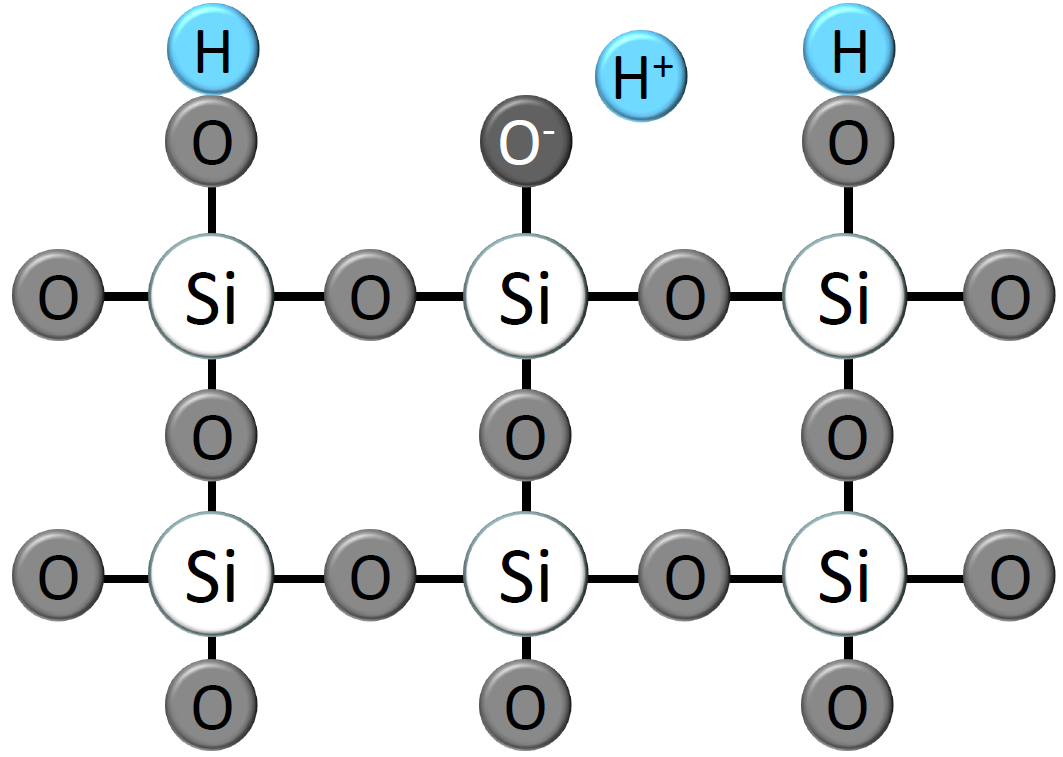
ほとんどのSSが中性で負に荷電:Most SS negatively charged when neutral.
-
silica SiO₂ (It is the same substance as the silica gel of the desiccant.)
dry state
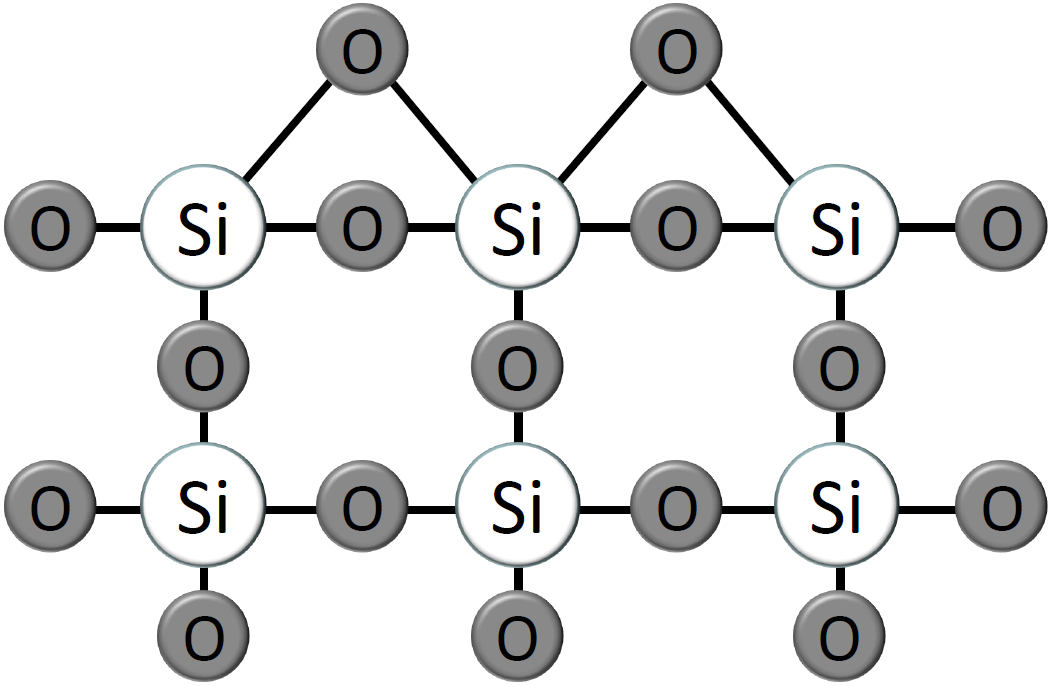
-
the case of silica, SiO₂
state of absorbing water
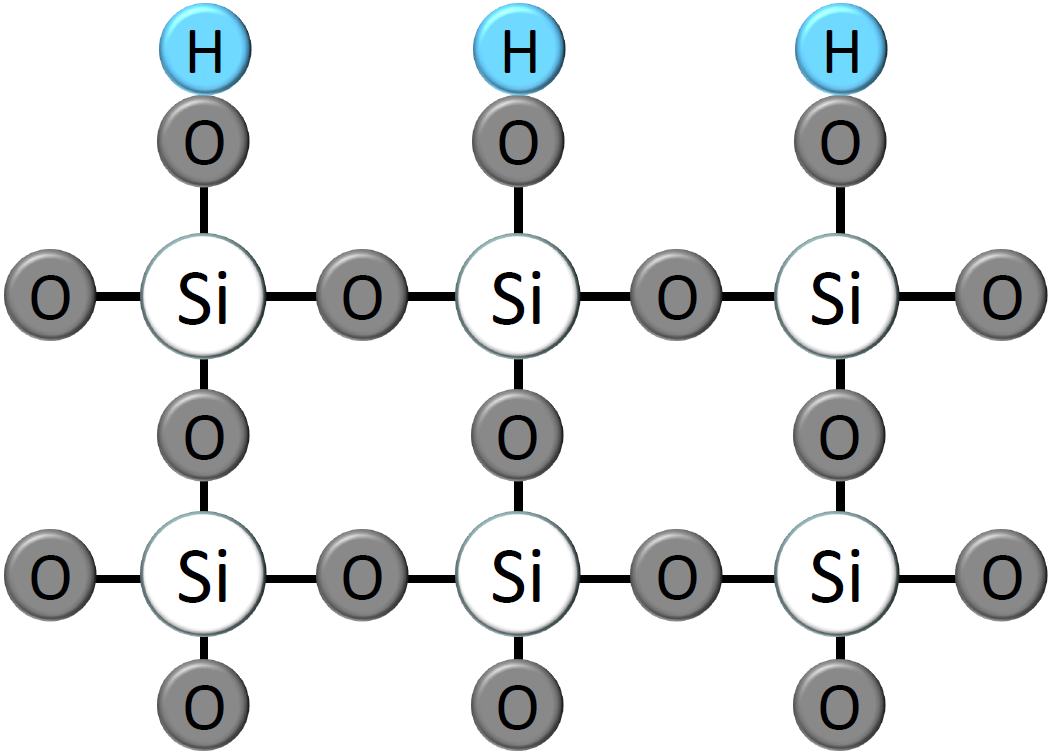
Hydrogen ions dissociate in water and silica has a negative charge.
-
Mechanism of flocculation
Mechanism of action of polymer flocculants
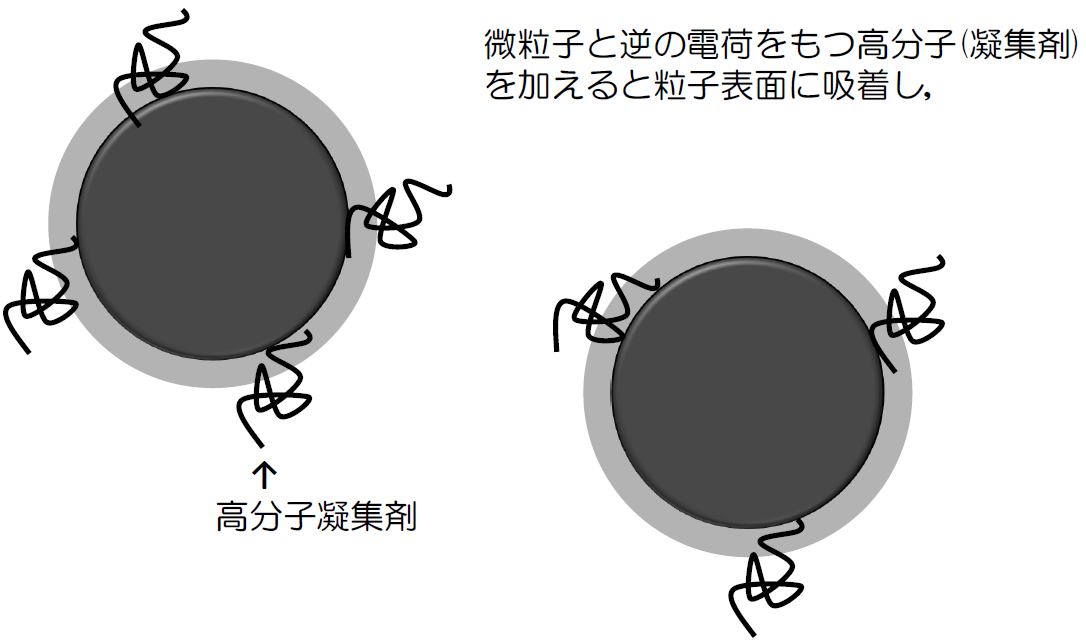
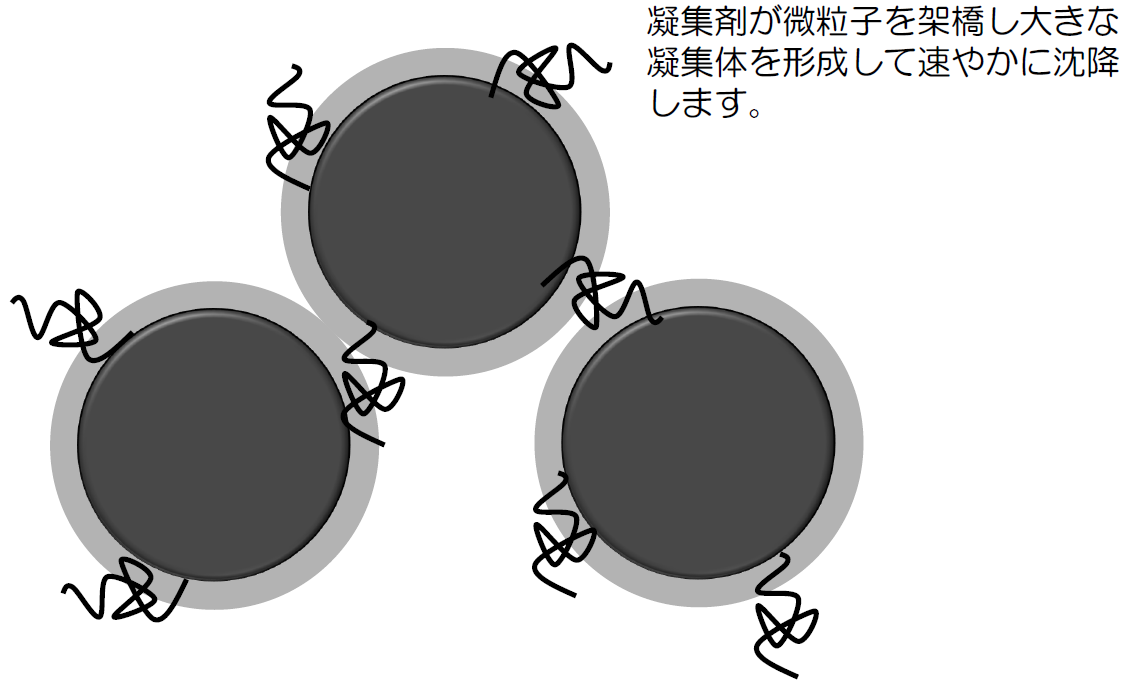
高分子凝集剤:high polymer agglutinate
微粒子と逆の電荷をもつ高分子(凝集剤)を加えると粒子表面に吸着し、凝集剤が微粒子を架橋し大きな凝集体を形成して速やかに沈降します。:When a polymer (flocculant) with an opposite charge to that of the particles is added, it is adsorbed onto the particle surface, and the flocculant cross-links the particles to form large aggregates that settle out quickly.
-
Development of biodegradable flocculants
<Conventional flocculant>
Inorganic: PAC, aluminum sulfate, iron sulfate, etc.
Organic: polyacrylamide, etc.
<problem>
Carcinogenicity of Unreacted Monomers in Polyacrylamide
Aluminum inhibits plant root growth
↓
Development of biodegradable flocculants that are safe for living organisms and the environment
<Efforts of our laboratory>
Development of "biodegradable flocculant" using protein as raw material
Raw materials include chicken egg whites, milk, soybeans, scallop processing waste, etc.