

Research methods
Garis besar topik
-
From October 1997 to October 1998, the SHEBA research project was conducted using a Canadian icebreaker moored on an ice block in the western Arctic Ocean as the observation and collection base (see figure below). During the SHEBA, zooplankton stratified collections were conducted approximately once every two weeks, and the samples were fixed in 4% formalin seawater (Fig. 1).
Associate Professor Yamaguchi of TUMSAT collaborated with researchers at the Woods Hole Oceanographic Institution in the U.S. to identify and count the two dominant carnivorous copepods in the zooplankton samples by developmental stage and reproductive state (Fig. 2).
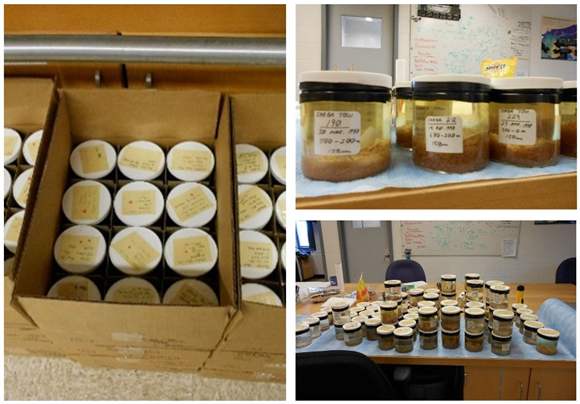
Fig. 1. Zooplankton samples collected at fixed stations on ice over a period of one year.
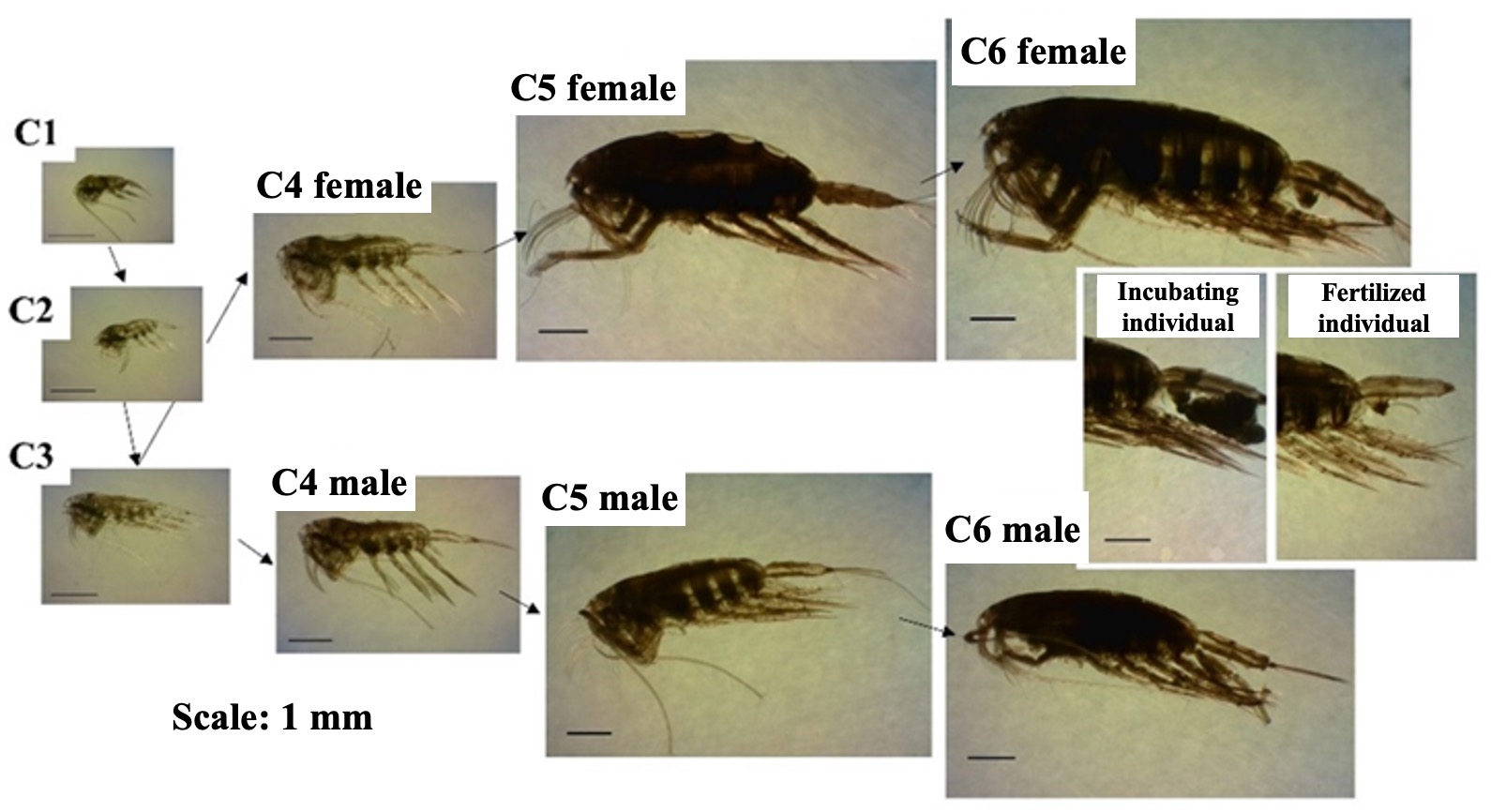
Fig. 2. Carnivorous copepods of zooplankton emerging in a plankton sample. Copepods are crustaceans that molt and grow into parents. Reproductive timing is determined by the presence or absence of fertilization and egg incubation.