Marine pollution by plastic litter is
increasing around the world, and it is predicted that by 2050 the amount of
plastic litter in the world's oceans will be greater than that of fish. In
particular, it has been reported that "microplastics" with a particle
size of 5 mm or smaller are taken up by all living organisms, and there is
concern about their impact on ecosystems. Marine animals are known to take up
microplastics not only directly from seawater, but also by feeding on small
prey that carry microplastics in their bodies, but no studies have examined the
relative importance of these two pathways. Some marine organisms, such as
crustaceans, also break down microplastics through feeding and digestion, so
microplastics taken up through prey are expected to be even smaller than those
taken up directly from the water.
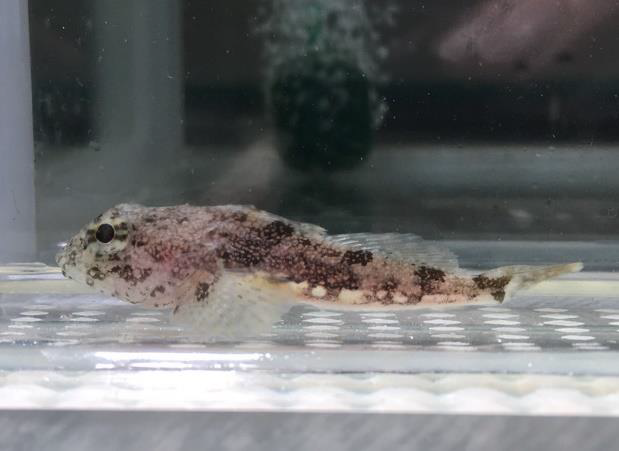
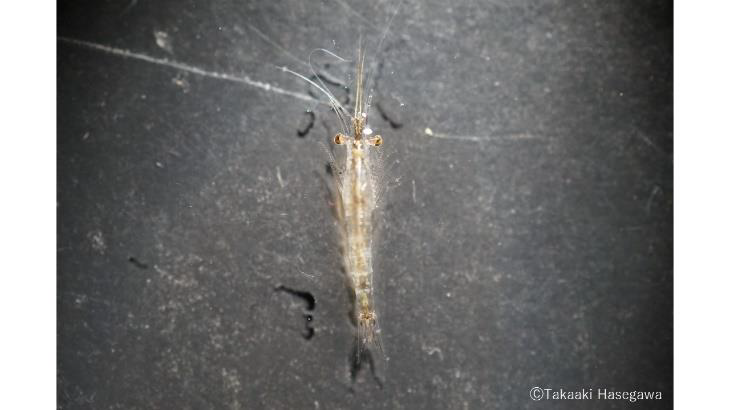
In this study, we used the carnivorous fish
Myoxocephalus brandti and its prey, the small crustacean mysids Neomysis
spp. to examine (1) the importance of the indirect pathway via prey in fish
ingestion of microplastics and (2) variation of microplastic particle size by
indirect pathway (Fig. 1).